Cream, powder or hybrid blush: which should you choose (and how do you apply it)?
A little colour on your cheeks can make your face look fresher. But should you choose cream, powder or a texture that transforms as it sets? Start with what feels right for your skin and your makeup routine.
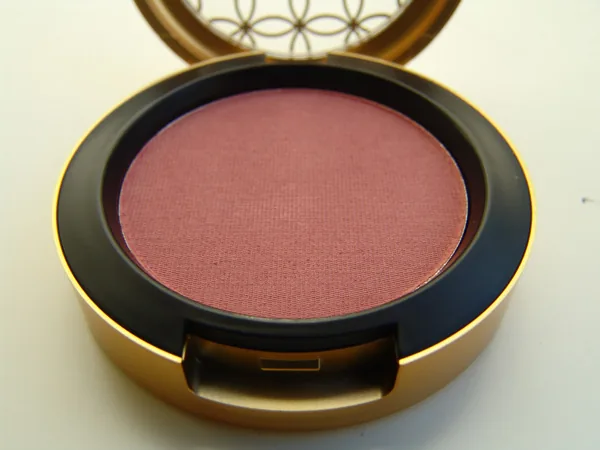
There is no single blush that suits everyone. Results depend on the formula, your skin, the base underneath and the finish you want. Labels such as “for dry skin” or “for oily skin” can be useful, but trying a product on your own face matters more than a rigid rule.
Cream blush: soft and easy to build
Creamy textures often blend well with fingers, a sponge or a suitable brush. They can give a luminous, natural finish, which appeals to those with dry skin or who prefer makeup that does not look overly powdered.
• Start with a little product and build it up in small touches.
• Apply to the upper cheeks and blend towards the temples if you like that effect.
• Usually apply it after foundation and before setting powder, following the product instructions.
• On very oily skin, longevity depends on the particular formula: cream does not automatically mean poor wear.
Powder blush: your brush matters
Powder blush can be matte, satin or luminous. It is often practical for combination or oily skin, but mature skin can wear it too: just see how it behaves over your chosen base.
• Use a soft brush and tap away excess before touching your face.
• Apply a small amount with light movements, without repeatedly rubbing the same spot.
• Apply over a set base when needed: colour can catch unevenly on a damp surface.
• If it accentuates dry patches or texture, try using less or choosing a softer formula.
Hybrid formulas: cream that turns into powder
Some blushes apply like a cream but set to a velvety finish. These cream-to-powder textures can be a good compromise if you like blending with fingers but prefer a less shiny result.
Armani Beauty Dolci Blush and Sephora Collection's multi-use cream blush are examples of this family. They are different products, however: do not judge longevity or suitability for your skin based on texture names alone. Check each brand's directions.
• Blend a small amount before the product sets.
• Use fingers or a sponge when the formula allows it.
• Cheeks and lips? Only if the product explicitly says it is suitable for both.
Three rules for every blush
• It is easier to add than remove colour: start with a small amount.
• Choose colour by how it looks on your face: pink, peach, mauve and deeper shades work differently with different complexions.
• Blend the edges and check in natural light. Your age does not dictate one mandatory placement.
Find more small experiments in Parola di make up.