LILAC ON YOUR FACE? START WITH A LITTLE TOUCH!
Wisteria on cheeks, a pale line near the eyes: Prada’s collection offers a way to leave your usual routine without changing your face.
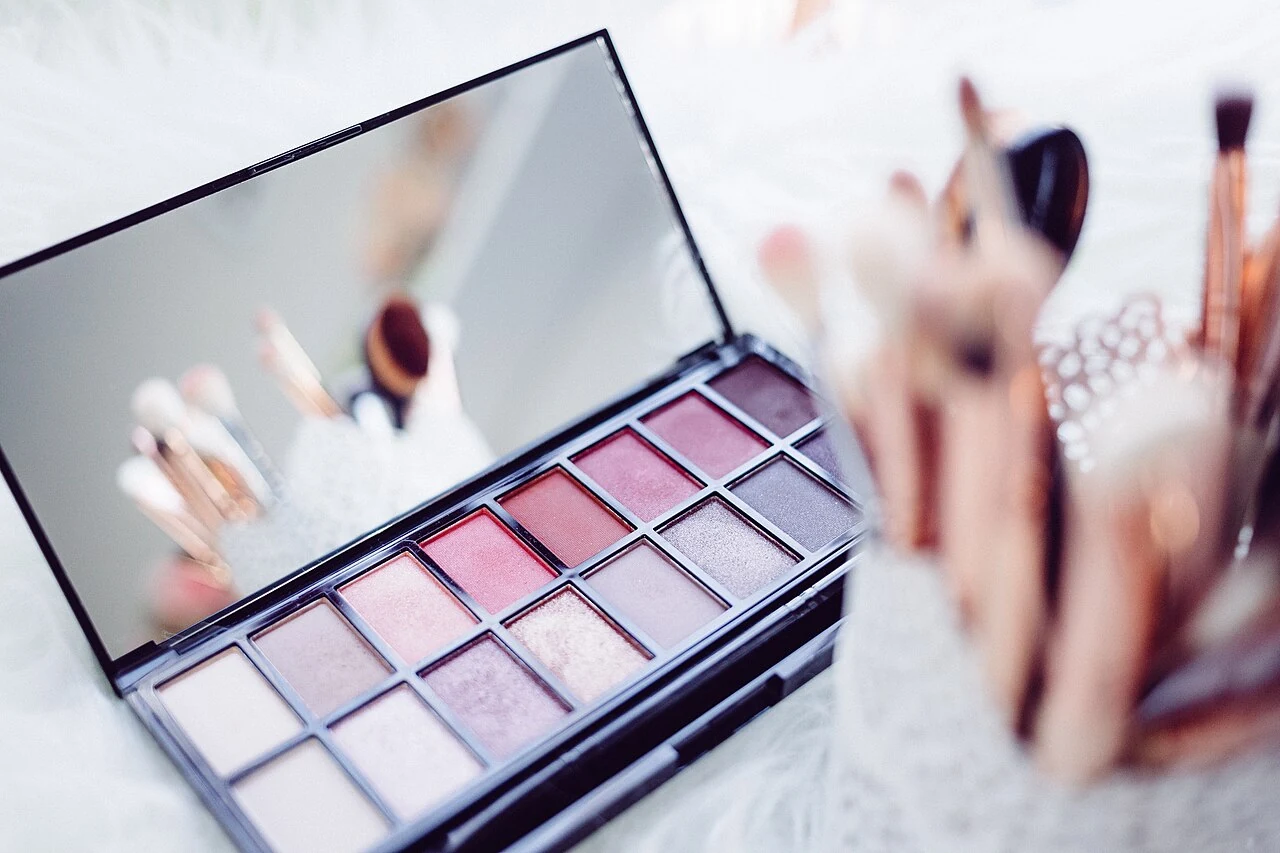
You open your make-up bag and reach for the familiar colours: brown, beige, a trusted pink. Then you see a lilac and pause. Lovely, but on my face? That question is a good beginning. You do not need to imagine yourself transformed into an advertisement. Just decide whether a small touch of colour sounds fun.
Prada Beauty’s Wisteria collection includes P36 Wisteria and P37 Violet blush and the 06 Glycine eye pencil. The colours move from pale lilac to plum, with pastel lilac for the pencil. Brand photographs offer different interpretations of that colour family.
An invitation, not a seasonal obligation
Wisteria is in the Prada Beauty catalogue, making room for lilac among colours and textures to explore. You might like it on your cheeks or as a little line near your eyes. Start with one detail before deciding whether to add more.
Understand the finish before choosing
Prada Touch has a cream-to-powder texture for cheeks, lips and eyes. Lilac can become a veil on the cheeks or an accent around the eyes: two ways to meet the same colour. Start where curiosity takes you.
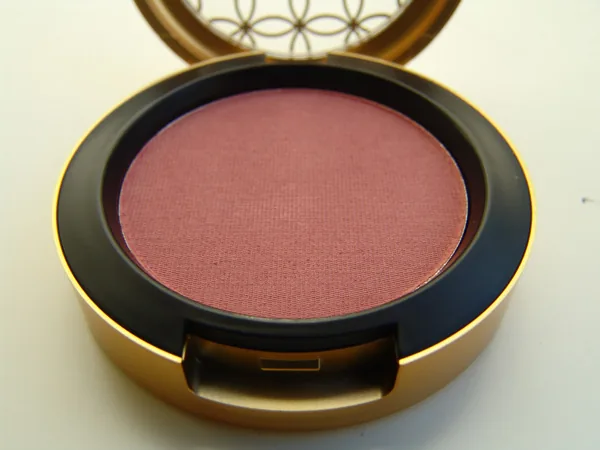
Ask to see the colour on skin. A pale lilac and a dark plum in a compact can look different depending on the amount, base and lighting. You do not need a rigid colour category: you need to see which effect you enjoy.
First experiment: change one thing
Keep the rest of your make-up familiar. For blush, start with a little on a limited area and blend according to the product instructions. Stop and look before adding more. Try it at home when you are not already late to leave.
Look near a window and with the top you plan to wear. Do you like a nearly invisible veil or a recognisable colour? Both are valid. The amount comes from your decision in the mirror, not somebody else’s hand in a video.
Second experiment: a small line on the eyes
With a lilac eye pencil, try a short line on the lid where the instructions allow. Keep it defined or soften it if the formula permits. A small detail can tell you whether the colour appeals without creating an elaborate look.
Never move a cosmetic near your eyes merely because its colour matches: it must be intended for that area. For testers, ask for appropriate hygienic tools and procedures.
Third experiment: check your own drawer
You may already own a forgotten mauve shadow or a plum shade you reserved for evenings. Start there if it is still suitable for use and intended for the chosen area. Curiosity need not require a whole new make-up bag.
For an Italian purchase, check the selected shade’s price and availability with the retailer. Meanwhile, try a colour you already own: a little lilac might be enough to brighten your usual makeup.