SKY-HIGH FOREHEADS AND VANISHING EYEBROWS: RENAISSANCE BEAUTY!
Long before contouring, fillers and tutorials, fifteenth-century ladies already had an obsession: a broad, smooth, luminous forehead. And they went to considerable lengths to achieve it.
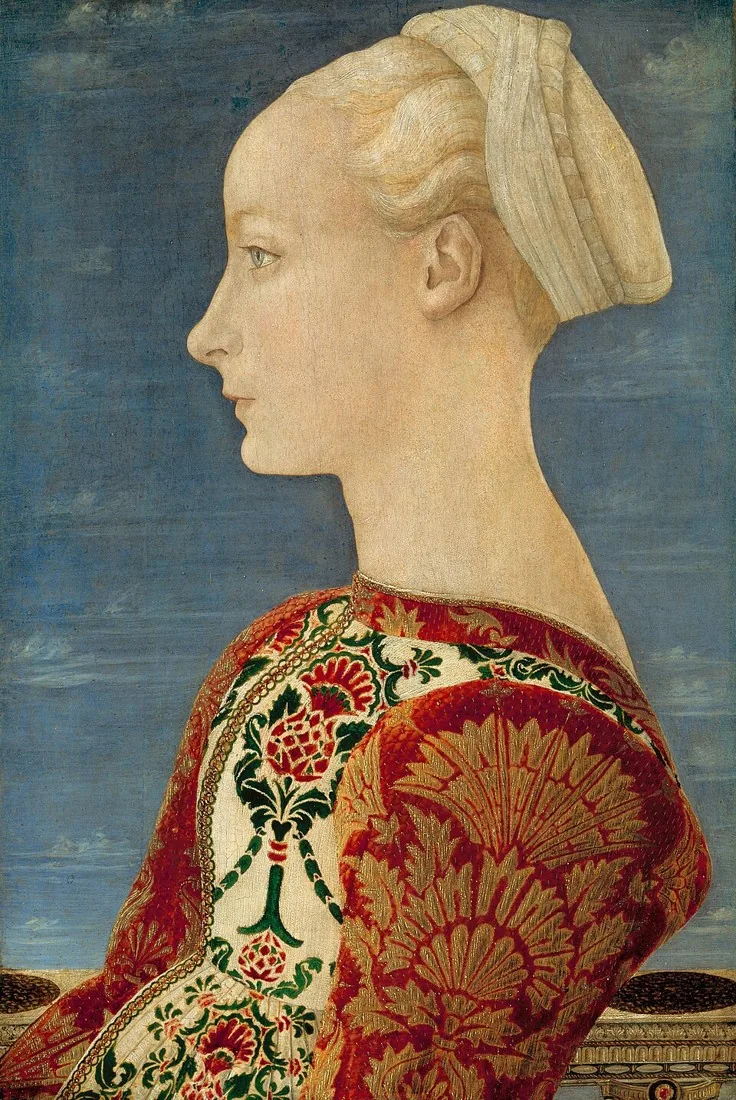
Look at a fifteenth-century portrait of a woman and pay attention to one detail: her forehead. It is often huge, rounded and perfectly smooth, with eyebrows you can barely see. This is neither a coincidence nor the painter’s whim. It was the beauty ideal of the time.
A forehead that speaks of nobility
In fifteenth-century portraits of women, a high forehead and a pale complexion often form part of the beauty ideal. Hairstyles and jewellery also tell us a great deal about rank and the social conventions of the time.
The problem? Nature did not always cooperate. So people intervened.
Tweezers, remedies and plenty of patience
To raise the hairline, hairs along the forehead were removed; eyebrows could also be thinned. These practices are described in studies published by the Metropolitan Museum and the National Gallery of Victoria: then, as now, beauty followed specific fashions.
Hair swept back, transparent veils and pearl hairnets completed the look, leaving the forehead clearly visible.
Look for foreheads in museums!
Next time you visit a museum, play the forehead game. Women’s profile portraits by artists such as Piero della Francesca or Piero del Pollaiolo are perfect for training your eye: look at where the hairline begins, how thin the eyebrows are and how light falls across the skin.
And today? Contouring
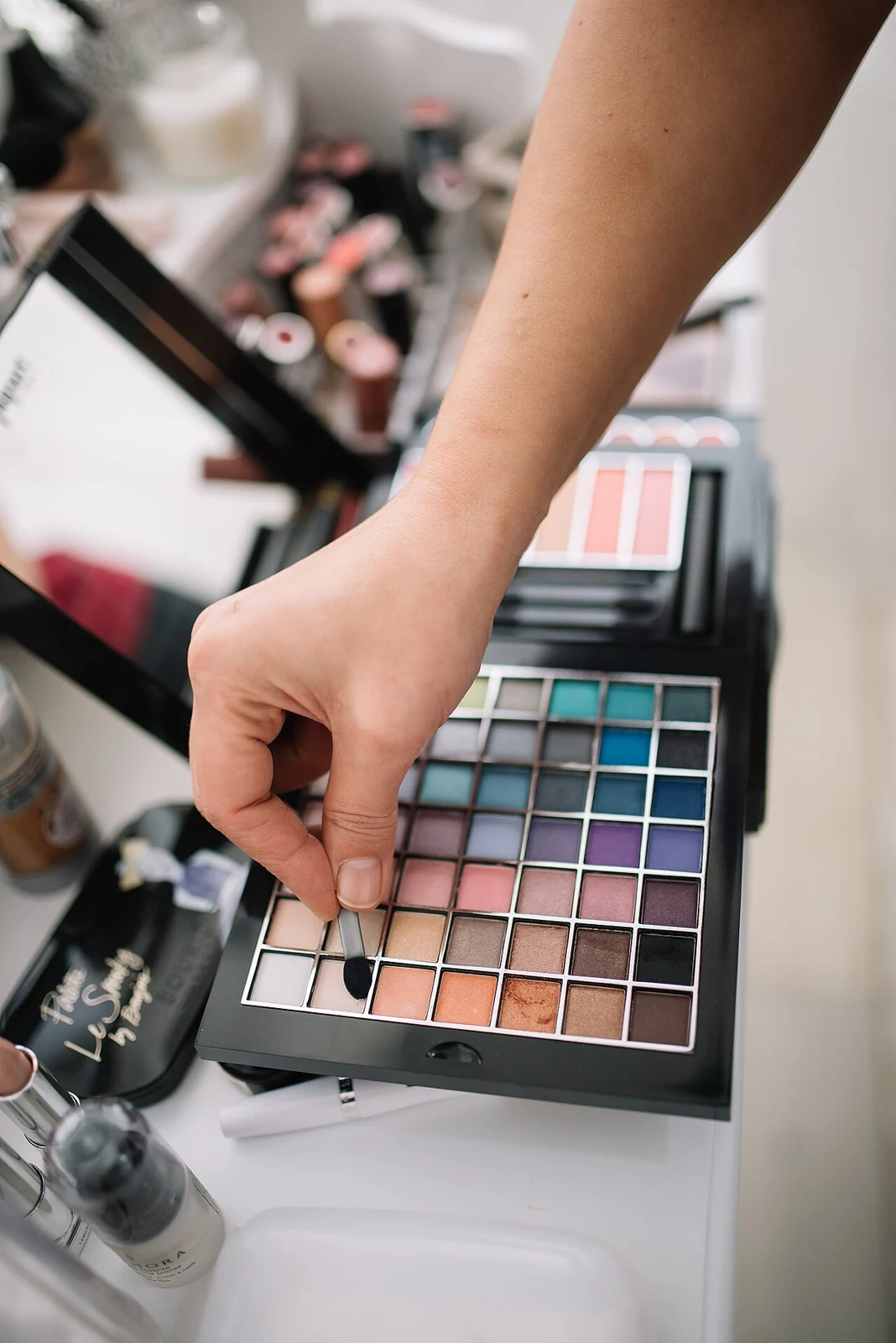
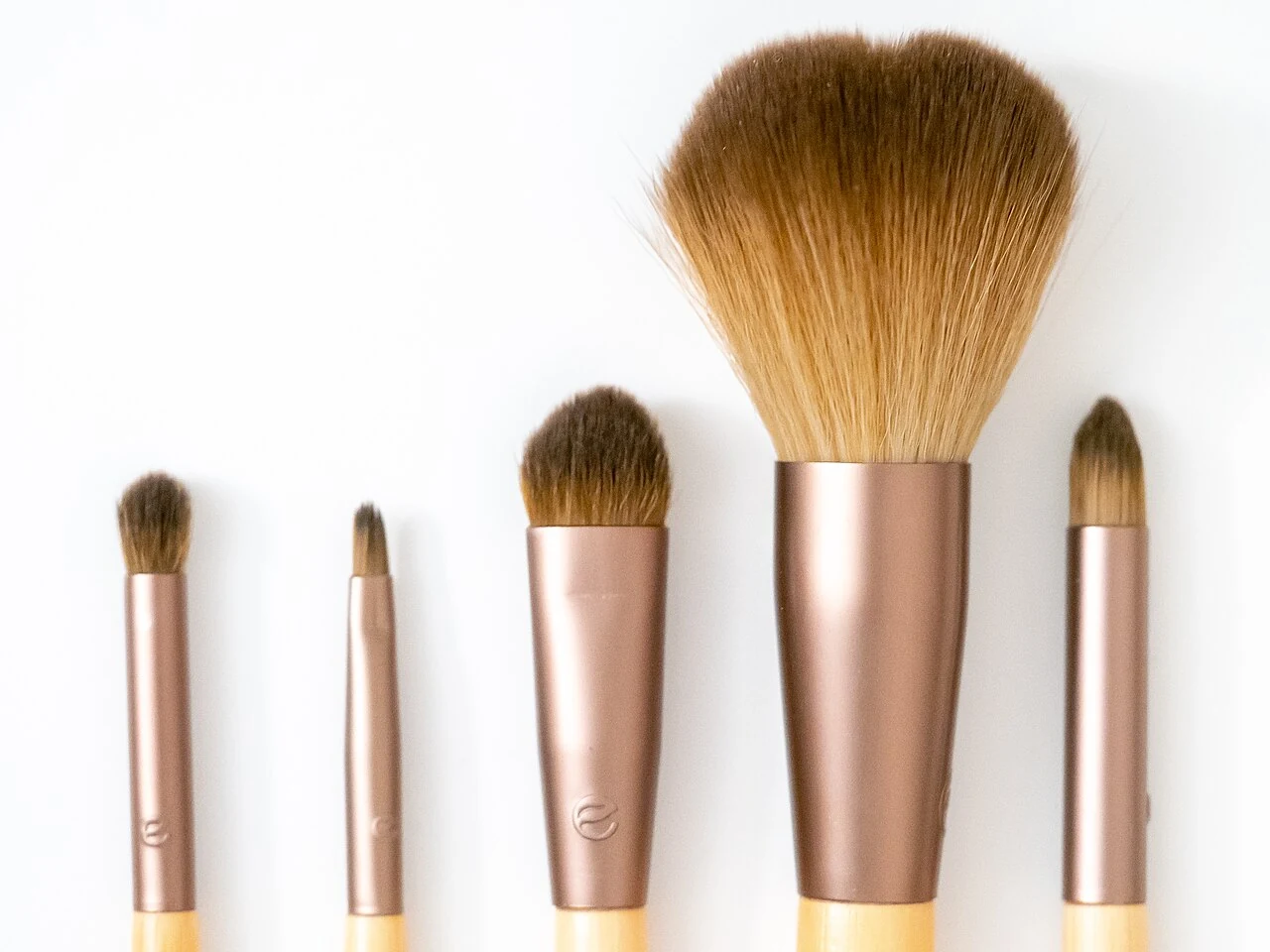
Several centuries later, the tools have changed, but the idea is not so different. With contouring, we play with light and shadow to shape the face: we highlight some areas and darken others, changing how people see it. Only today, a brush is enough, and everything washes off in the evening.
That is the beauty of looking back: realising that beauty standards change all the time. The very high forehead that once stood for elegance now looks strange to us. Perhaps, a few centuries from now, someone will smile at our fashions too. So, makeup or no makeup, what matters is feeling comfortable with the face we have.
Source: Gallerie degli Uffizi – Uffizi TV ↗