How to volunteer at a dog shelter: requirements and first steps
Age, shifts, training and availability. Here’s what to ask a shelter and how to start with a commitment that works for you.
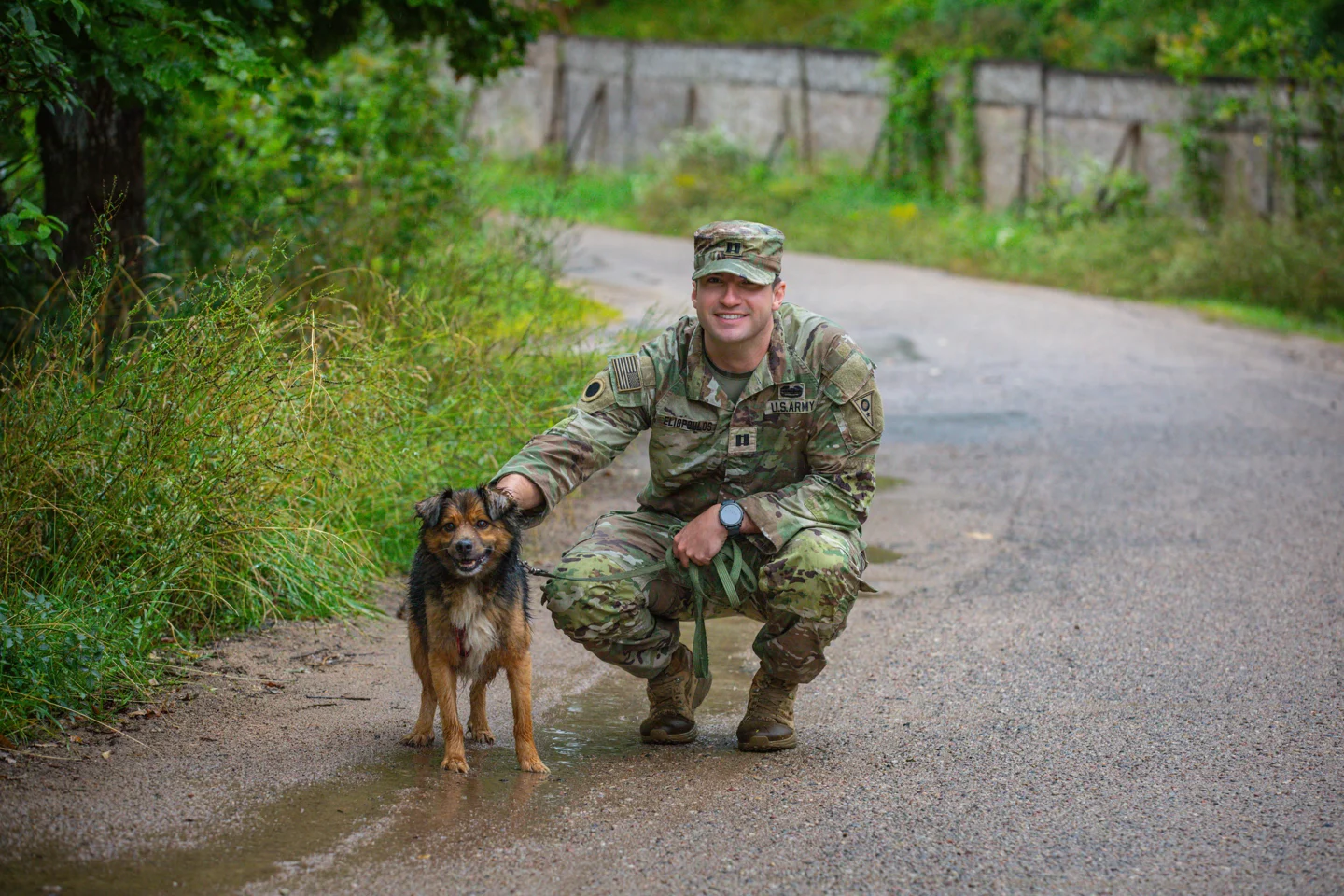
Sometimes all it takes is seeing a dog behind a gate to want to do something. Volunteering at a dog shelter can turn that feeling into something practical. It begins with a decision to make time regularly, learn the ropes and work alongside other people. A cuddle is one part of the story. Cleaning, organising and following procedures matter to the dogs’ welfare just as much as walks. Before you turn up with a lead, find out how the shelter you want to help takes on volunteers.
Each shelter welcomes new volunteers in its own way. Requirements, courses and shifts vary, and recruitment may be paused or have a waiting list. A general appeal for animal lovers won’t tell you everything you need to know. Find the volunteer contact and ask whether applications are open. If you want to adopt a dog, book an adoption visit. Volunteering regularly starts with a separate application.
Do you need experience?
You can be honest about being new to volunteering and explain what you’re ready to learn. Having a dog at home is worth mentioning, though every shelter dog is different. Some need particular care or are going through a difficult transition. The shelter team decides who does which tasks and works with which dogs. Starting with something simple is a good way to build trust.
On the first call, ask what beginners do, how you’ll be shown the ropes and who can answer questions on shift. Avoid promising that you can handle every dog or do the work of a trainer or vet. If big dogs make you nervous or you aren’t confident with a lead, say so. An honest limit helps the team find a good fit and keeps you out of situations you aren’t ready for.
Age, insurance and time: ask for the exact requirements
Many hands-on roles are for adults, though each organisation sets its own rules. Before your first shift, ask about insurance, membership, fees and any documents you’ll need. If you’re under 18, ask what you can take part in and who needs to come with you. Don’t rely on an informal arrangement with an adult. A family event can have different rules from regular work in the kennels.
Work out the time commitment properly. A three-hour shift can take half a day once you factor in travelling, changing and getting home. Check the journey at the hours you’ll actually be working, including public holidays. A small commitment you can keep is more useful than a big promise that falls through after two weeks. If you study or work shifts, explain how your schedule changes and ask whether there’s a role that fits.
An example in Milan: UAI by Parco Forlanini
To volunteer at the UAI shelter at Via Salesina 9 in Milan, you need to be at least 18, fill in introductory questionnaires, attend an in-person meeting and be available for at least three or four hours a week. Duties include caring for and cleaning the kennels and taking dogs for walks around Parco Forlanini. Picture both sides of the shift: time with the dogs and the work that keeps their space comfortable.
As of 8 November 2026, UAI has paused new applications until January 2027 and asks prospective volunteers to leave the form unfilled. Check that applications have reopened before applying. The volunteer contact is volontari.uairifugio@gmail.com, but writing in won’t reopen recruitment. If you’re ready to start now, look at other shelters and roles. Bringing new volunteers into the team takes time.
Outside Milan: Protezione Animali Legnano
Protezione Animali Legnano requires volunteers working at the shelter to be at least 18, attend an interview and spend time working alongside an experienced volunteer. Individual insurance is arranged through the association, runs from 1 January to 31 December and costs €10. Email info@protezioneanimalilegnano.org with your interests and availability. Legnano is outside Milan. Check the journey before committing to a regular shift, especially if you use public transport.
Duties include cleaning, keeping the premises tidy, office support, helping at stalls and collecting pet food. A driving licence is needed for transport duties. Sunday dog walks run separately from regular shelter volunteering. Under-18s can join with an adult, subject to the insurance rules. Ask which activity fits your interests and what you need to do to join. Knowing the name of the role avoids crossed wires from the first message.
How to write your first email
A simple message works: ‘Hello, I’d like to volunteer and I’m new to working at a shelter. I’m [age], I live in [area] and I can commit to [day or time]. I’m interested in [activities] and happy to learn alongside someone. Are you taking applications? What are the next steps?’ Add your contact details and read it through. The team needs enough information to arrange a chat, so you can save your life story with animals for another day.
Mention any skills you can offer without overselling them. Practical jobs, looking after supplies, event planning or communications can all be useful when the shelter needs them. Ask what matters most at the moment. If you don’t hear back straight away, give it a reasonable amount of time before sending a polite follow-up. Volunteers may be fitting messages around their own jobs and daily animal care.
Get ready for your first shift together
Once your shift is confirmed, ask what to wear and what the shelter provides. Choose clothes you can get dirty and follow its guidance on footwear. Wait to find out what you need before buying special gear. Arrive at the agreed time, listen to the briefing and find out who’s in charge of the shift. If something is unclear, stop and ask them to explain it again. Take the first few days to learn how the team works.
Check with the person in charge before opening a kennel, putting different dogs together or offering food. Ask about photos and posts, too. Anything you share should help the shelter and follow its rules. If you notice something worrying, tell the person responsible and leave treatment to them. Getting attached is natural. Turning that affection into care means respecting the shelter’s procedures, even when the dog who most tugs at your heart hasn’t been assigned to you.
After the first stretch, check in with the person supporting you. Are the hours, duties and expectations working for both of you? The best role for you might look different from the one you pictured. A collection stall, a hand with cleaning or help getting things organised all make a difference. You build a bond with animals through these less photographed moments, too. Showing up, learning and coming back is already a lovely way to care for someone.
SOURCES AND FURTHER READING
Did this story touch your heart?

Share this story