Where to donate used clothes in Milan and what’s accepted
Clear some space in your wardrobe and get each gift to the right place. Here are addresses, the differences between collection schemes and a checklist for getting your clothes ready.
Jump to what you need
- Opera San Francesco: where to drop off clothes
- What to check before dropping clothes off
- Dona Valore bins work differently
- What the collection scheme accepts
- What about the parish down the road?
- Children’s clothing, linens and larger donations
- Damaged clothes need another route
- Give in a way that leaves room for choice
You have a coat you don’t wear, two jumpers that still look lovely and a bag that’s been by the door for weeks. Where can you donate used clothes in Milan? Try a collection centre such as Opera San Francesco at Via Vallazze 113, check what your parish clothing bank needs, or use one of the clearly marked Dona Valore bins. Each option works differently.
It starts with what’s in the bag. Something clean, intact and suitable can be useful to someone else. Something dirty or unusable leaves them with the job of disposing of it. Open the bag, take a good look and pick the right place for each item, with the same care you’d want for yourself.
Opera San Francesco: where to drop off clothes
The Opera San Francesco collection centre is at Via Vallazze 113 in Milan. It is open Monday to Saturday, 9 a.m. to noon and 2 to 5 p.m. Call 02 77 122 402 for information. Check for changes or call to confirm before making a special trip, especially around public holidays.
At drop-off, items are checked for condition and usefulness. Clothes that are unsuitable or aren’t needed may be handed back for you to take home. Before turning up with a full boot, describe what you’d like to bring, especially if you have a large quantity or something unusual.
What to check before dropping clothes off
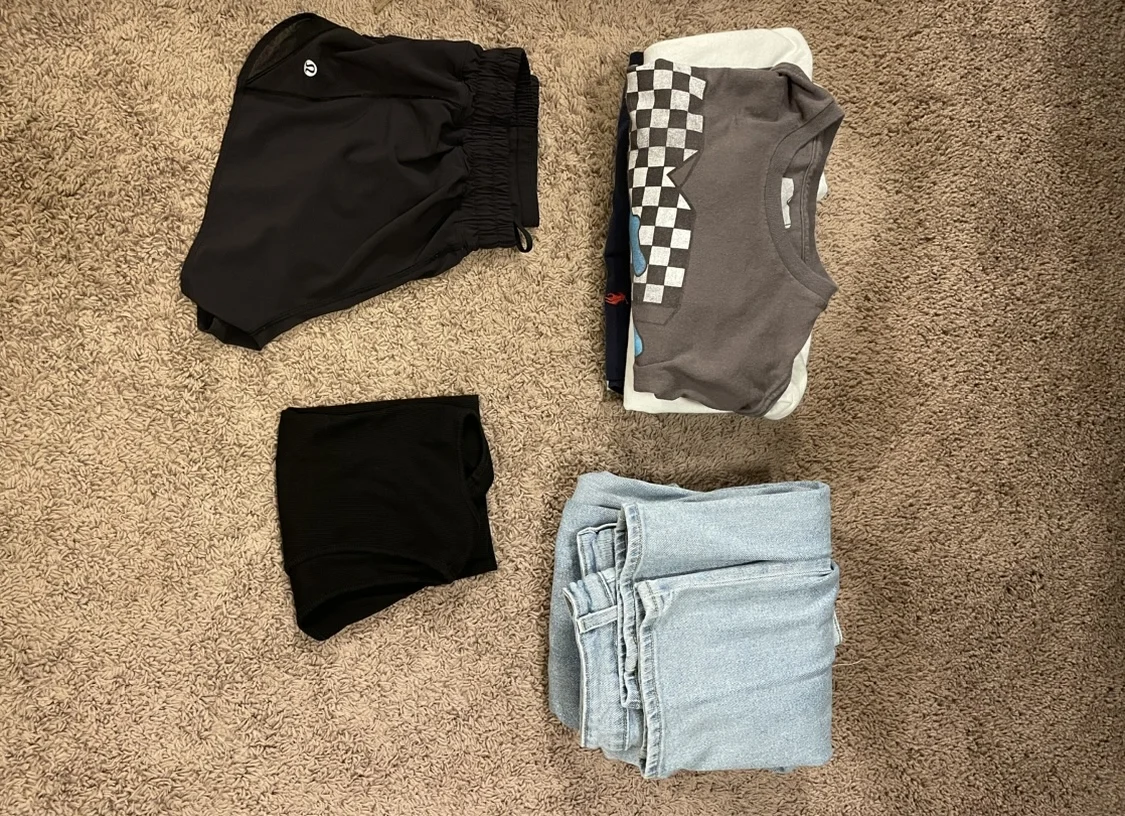
Lay each item out in good light and look at the collar, cuffs, underarms, lining and seams. Make sure zips and buttons work and check the pockets for documents, money and personal belongings. A folded garment can look perfect until you open it up. A few seconds per piece can save the people sorting the clothes a lot of unnecessary work.
Ask whether you’d feel comfortable giving it to someone you know. It doesn’t have to be expensive or new. The point is to tell good second-hand clothes from things that have reached the end of their useful life. If there’s an easy fix, you can do it before donating. The centre isn’t automatically equipped to wash, mend or recover whatever comes through the door.
Dona Valore bins work differently
Rete RIUSE’s Dona Valore scheme collects clothing and accessories and supports jobs in social cooperatives and charitable projects. A coat left in a bin goes through a collection and recovery system. A clothing bank distributes clothes to people directly. Knowing both routes helps you decide where you’d like your gift to go.
Choose the option that fits what you’re giving. If you want a particular item to meet a local need, ask the clothing bank what it’s short of. If you want to put reusable clothes into an organised collection scheme, check who runs the bin. A yellow bin could belong to any operator, so read its labels and look for the name or logo before using it.
What the collection scheme accepts
Dona Valore accepts clothes, shoes, handbags, backpacks, belts and accessories in good condition. Leave out anything torn or dirty. Keep shoes in pairs, ideally in a separate bag. For the nearest bin, check the list of participating municipalities or contact the operator. An old photo in a neighbourhood group may no longer show what’s there.
Pack clothes into manageable, securely closed bags and follow the instructions on the bin. If it’s full, keep the bags with you. Rain, dirt and scattered contents can ruin what you meant to give. Look for another authorised drop-off point or come back when there’s space. Leaving a bag next to the bin can make the contents unusable.
What about the parish down the road?
A parish clothing bank can be a good place to give directly. Get in touch first and ask which categories and sizes are needed for the season and when you can drop them off. Needs can be very specific. Checking first keeps storage space free for things that can be put to use now.
A short message will do: ‘I have three clean adult jackets in good condition and two pairs of shoes in the size you mentioned. Could you use them? When can I bring them?’ You don’t need to tell the whole story of your wardrobe. A clear description helps volunteers answer quickly. If they can’t take the clothes, ask about another option before heading out.
Children’s clothing, linens and larger donations
Each scheme sets its own rules for textiles. Children’s clothes, linens, underwear, blankets and household textiles may have different requirements or go to different places. Ask whether they’re accepted, in what condition and in what quantity. That matters especially for items needing extra hygiene checks or a lot of storage.
If you’re clearing a house or organising a collection at work, make an agreement before inviting people to take part. Confirm what to collect, maximum quantities, the deadline and drop-off details with the group receiving the donations, then tell everyone else. Without that agreement you could end up with dozens of bags and nowhere to take them. Generosity needs a little planning, too.
Damaged clothes need another route
A shirt with holes or a permanent stain doesn’t become a good donation when it goes into the same bag as the others. Check your local council’s rules and which textile collections take that material. Reuse, recovery and waste are handled differently. Whether a textile can be recycled depends on the service, its condition and the routes available.
To save sorting twice, make three piles at home: things for direct donation, things for an authorised textile collection and materials to handle under your council’s instructions. Label the bags and take photos if that helps you describe what’s inside. It’s a simple system for when the change of season turns your bedroom into a temporary storeroom.
Give in a way that leaves room for choice
At Opera San Francesco, donated clothes are checked, sorted and made available through its services. Some items may go through other recovery channels. The donation carries on after you tie the bag, through the work of sorting and into the life of the person who’ll wear those clothes. What the centre needs deserves as much thought as our wish to help.
Before you leave, double-check the address, opening hours, accepted items and drop-off instructions. Be ready to hear ‘we don’t need this today’. That can help you find a better home for it. A coat really can find a new story. Start by treating it as a gift for someone with needs, tastes and dignity.
Source: Rete RIUSE / Caritas Ambrosiana ↗
SOURCES AND FURTHER READING
Did this story touch your heart?
Share this story