Where to donate used toys in Milan and what’s accepted
Clean, complete toys can find a second life. Here are three useful contacts in and around Milan, and what to check before you drop anything off.
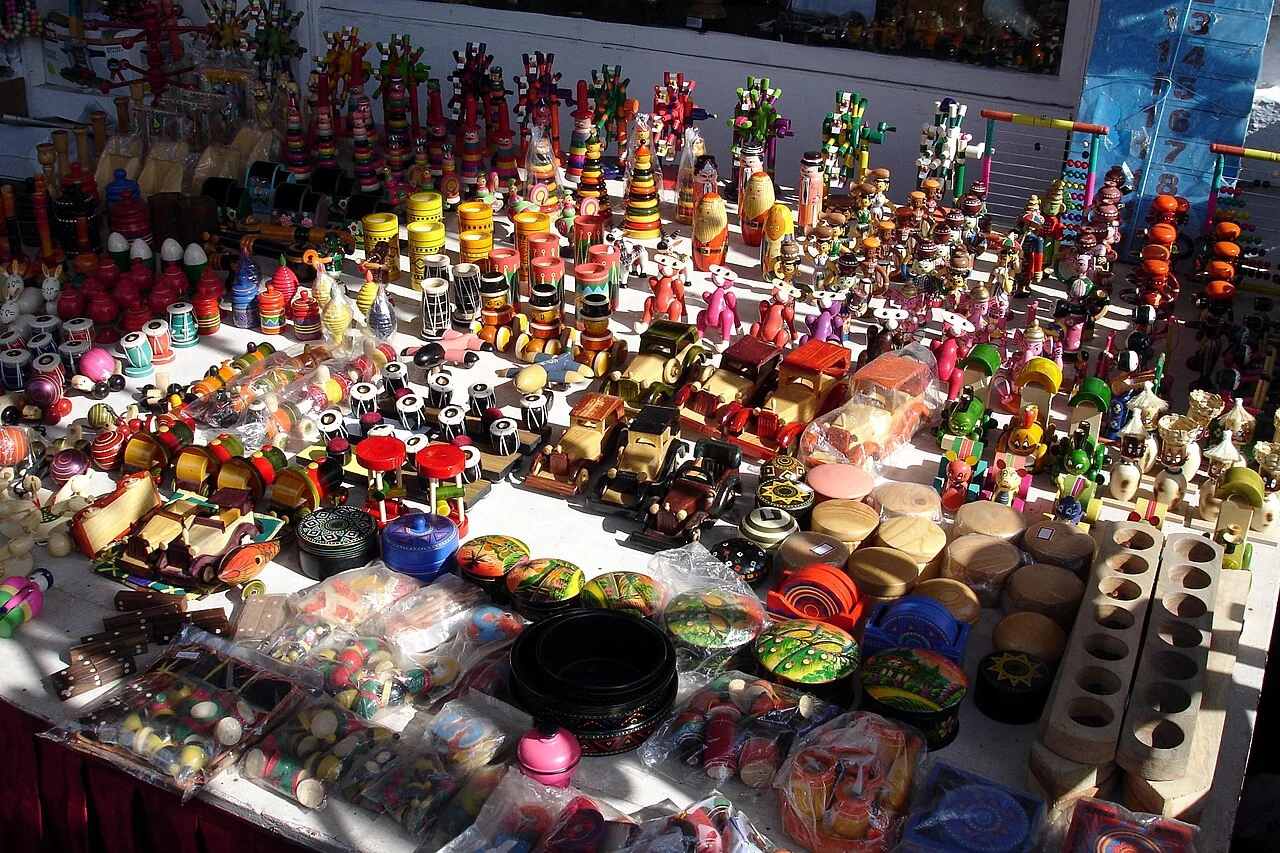
Open the toy cupboard and there’s a little universe in there: building bricks, puzzles, soft toys and cars no one has played with for months. Donating them can clear some space and give things that are still lovely a new story. In Milan, it helps to know where to take them, which toys are actually needed, what condition they should be in and how to arrange the handover. A thoughtful gift starts before you seal the box, when you decide what another family could still use.
Contact the charity before you set off. Storage space, the people it serves and what it can collect all change. An organisation that accepts some toys may be unable to take every kind or quantity at any time. Send a few photos, a list and the area you’ll be coming from to save yourself a wasted journey. Wait for a confirmed place and time, especially for bulky donations. Leaving bags outside a locked door means someone else has to get them out of the rain and sort through them.
A Braccia Aperte: email first about toy donations
A Braccia Aperte in Milan also takes toys and children’s items by prior arrangement at abracciaaperteonlus@gmail.com. Check which location can take them before you go. Write first, describe what you’d like to give and agree where and when to bring it. The PIM service mainly helps by providing children’s clothing. Knowing which part of the charity does what makes your message clearer and the reply more useful.
You could write: ‘I have two complete board games, some building bricks and some board books. I can send photos and drop them off in this area.’ Mention any baby equipment separately. A car seat, a cot and a toy each need different checks. Ask what they’re accepting now and whether the items need to be sorted. A toy in good condition is a start. The arrangement with the people receiving it is what makes the donation work.
UnAltroMondo: by appointment in Sesto San Giovanni
If you can travel outside the city, UnAltroMondo collects selected items at Via Rovani 283 in Sesto San Giovanni. Email infomali@unaltromondo.it to arrange the drop-off. Confirm appointments and collection days directly, since an old calendar online may no longer apply. There’s no doorstep collection. Before you load the boot, confirm the specific items and check the journey. Sesto is a separate municipality from Milan.
Requested items include board games, dominoes, large building sets such as Lego and Duplo, and puzzles with up to 100 pieces. Everything should be in good condition. Some donations go to fundraising markets that support the organisation’s projects. If it matters to you whether the gift goes directly to a child in Milan, ask beforehand. Knowing how an item will be used makes the gift more considered.
MilanoAltruista: matching donations with recipients
Use MilanoAltruista’s donation form to offer items in good condition. It connects people who have things to give with organisations that need them. MilanoAltruista has no warehouse for your boxes and doesn’t collect donations itself. Submit an offer and wait for a recipient who can use it. Arrange the handover before sending anything to the organisation’s address.
This route can work well if you have something unusual and your timing is flexible. Describe how many items you have, their size and condition, and whether you can transport them. There’s no guaranteed time to find a match. If you need the room clear by tomorrow, explain your deadline without making it the volunteers’ responsibility. Keep the toys sheltered in the meantime. Finding the right home sometimes takes longer than filling a bag.
Which toys are worth offering?
Start with toys that are complete, clean and ready to use. Open every box, check the pieces against the instructions and test anything that needs to work. A missing puzzle piece can spoil the best moment. A board game without essential cards may leave someone else with something to dispose of. If you’re unsure, say so in your message so the recipient can decide before distribution.
Look for broken edges, loose parts, damaged wires and battery compartments that need attention. Take out the batteries if they aren’t needed for transport and mention any faults. If the age label is missing, say what you know and send a photo. Toys for older children can have small parts unsuitable for little ones. Skip improvised repairs that make an item look new while leaving it damaged.
Ask whether soft toys and fabric items are accepted and what hygiene standards they need to meet. Some collections can’t handle them. Clean each item according to the maker’s instructions and let it dry completely before packing. Fragrance won’t fix odours or mould. If a toy has deteriorated, reconsider where it should go. Choose the things another person can use with confidence.
Used and new toys have different collection rules
A drive for used toys and a campaign for new gifts have different needs. If an appeal asks for items in new packaging, keep opened toys for another collection. The requirement may reflect the people receiving the gifts or how distribution works. Likewise, check what’s needed before buying new toys. A charity may need particular items or have no space for more. One question beforehand is worth more than a box filled on a guess.
A hospital, school or parish may have its own rules about accepting donations. A general need doesn’t tell you whether a collection is active. For a seasonal campaign, check the year, closing date and who will receive the gifts. The Christmas flyer you found in a search may be for a drive that’s already ended. If you can’t confirm it, find a contact and wait for a clear reply before using that address.
Pack the box so it’s easy to sort
Keep each game’s pieces together, protect the instructions and put a short description on each package. If the original box is gone, use a clean, sturdy container. Leave the gift wrap until after any checks, so the people receiving it can see what’s inside. Separate the categories you agreed on and resist filling the last gap with something unrelated. A tidy donation saves time for the people sorting toys for their second life.
If you have children at home, let them help choose without asking them to give away their favourite toy. You can teach generosity by showing why a well-cared-for, complete toy makes a good gift. Take photos together, wait for the reply, pack the box and keep the appointment. The gesture becomes real when it meets a need: fewer toys forgotten in a cupboard, and more thought for the people who can still play with them.
SOURCES AND FURTHER READING
Did this story touch your heart?
Psst… you’ll like this too!
Where to donate used clothes in Milan and what’s accepted
Read the story ↗Share this story