How to start volunteering in Milan without experience
Want to lend a hand but unsure who to write to? Here’s where to start and what to ask before your first shift.
Jump to what you need
- Start with the time you can actually give
- CSV Milano: guidance when you’re still deciding
- Progetto Arca: apply through the volunteering form
- Another route: reuse and sorting donations
- Keep the first message simple
- Six things to ask before saying yes
- On the first shift, watch and ask
- Helping takes consistency, too
‘I’d love to volunteer, but I wouldn’t know where to start.’ If that sounds familiar, a free guidance session with CSV Milano is a good first step. You could also apply through an organisation’s volunteering page, such as Progetto Arca’s, or reply to an opportunity posted by CSV. You can start by finding out what you could do and who’ll help you learn.
An application doesn’t guarantee you’ll start straight away. Places, requirements and needs change. You don’t need an extraordinary skill to get started. Time, a listening ear, attention to detail and a willingness to learn are good things to bring. Make that first contact practical so your wish to help can find a real place in your week.
Start with the time you can actually give
Open your calendar before you choose an organisation. What time can you give regularly, including the journey there and back? One afternoon every fortnight may be more realistic than five dates you offer in a burst of enthusiasm and later cancel. Note the days, times, areas you can reach and any periods when you already know you’ll be away. A clear picture of your week is enough.
Think about the sort of commitment you want. Some roles involve regular shifts and training. Others may offer chances to help at events or on one-off projects. Ask what’s actually available. The organisation may have a fixed schedule. ‘Is there a role that would fit these times?’ is more useful than ‘I’ll do anything’.
CSV Milano: guidance when you’re still deciding
CSV Milano offers free volunteering guidance to residents of the metropolitan area. Fill in the form at milano.mycsv.it. You can create an account for free if you don’t already have one. It’s a good place to start if you’d like to help and haven’t yet settled on a cause, a group or a way to get involved. You can come to the meeting with questions.
Think about what draws you in and what you’d rather avoid. Working with older people, caring for the environment, distributing supplies, supporting cultural activities, helping animals and working with children are very different experiences. Say whether you feel more comfortable behind the scenes or working with people directly. Being honest about a limit helps you find a place where you can contribute and feel at ease.
Progetto Arca: apply through the volunteering form
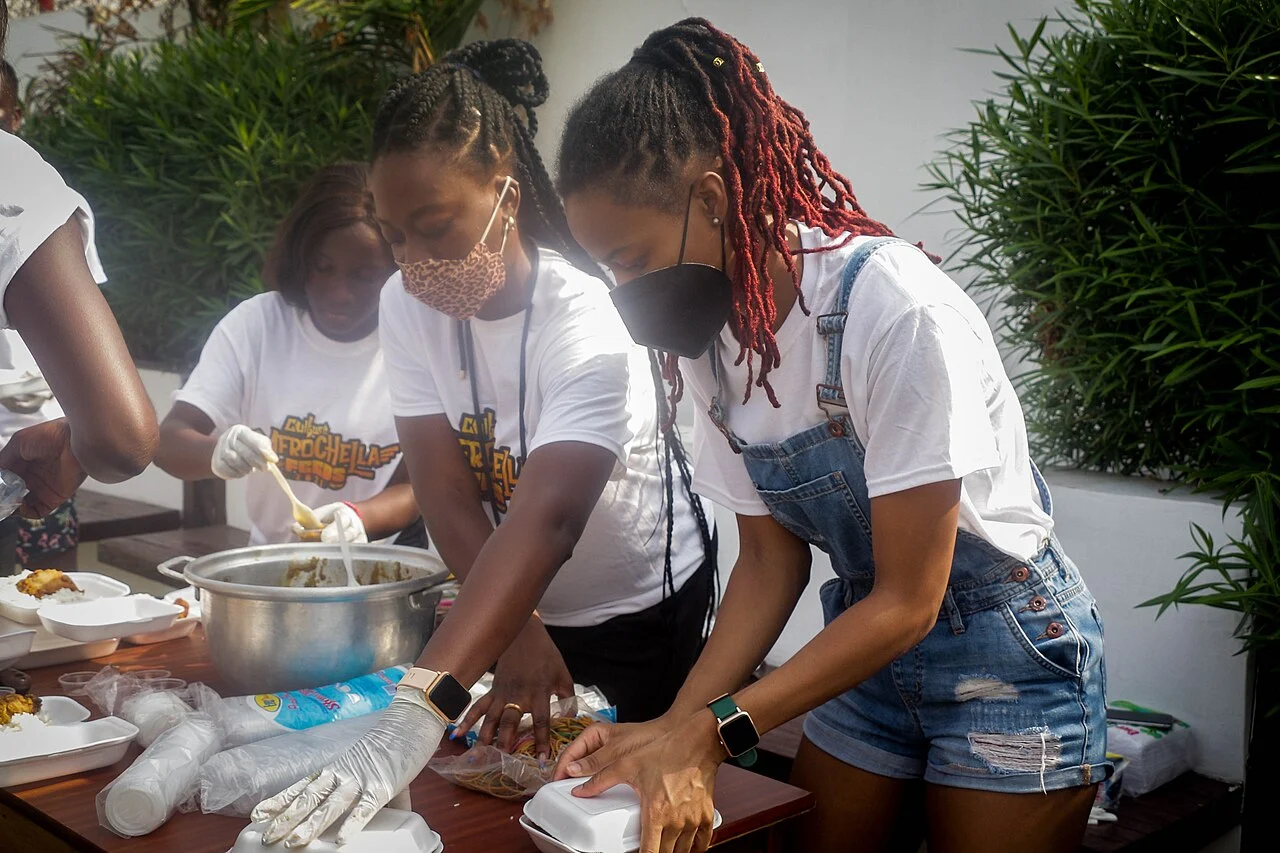
Progetto Arca accepts applications through its volunteering page. In Milan and Rome you can help at community food shops, with street outreach or in mobile kitchens. There are also activities at reception centres and opportunities to help with awareness events and fundraising. If you’re in Milan, introduce yourself through the form and talk through the options afterwards.
A photo can make one role look particularly moving. Ask how the shift actually goes, what newcomers do and who coordinates the team. As well as meeting the people who use the service, you might prepare supplies, tidy up and organise things. That’s all part of helping. A box packed properly or a delivery prepared with care can make a difference to everyone’s work.
Another route: reuse and sorting donations
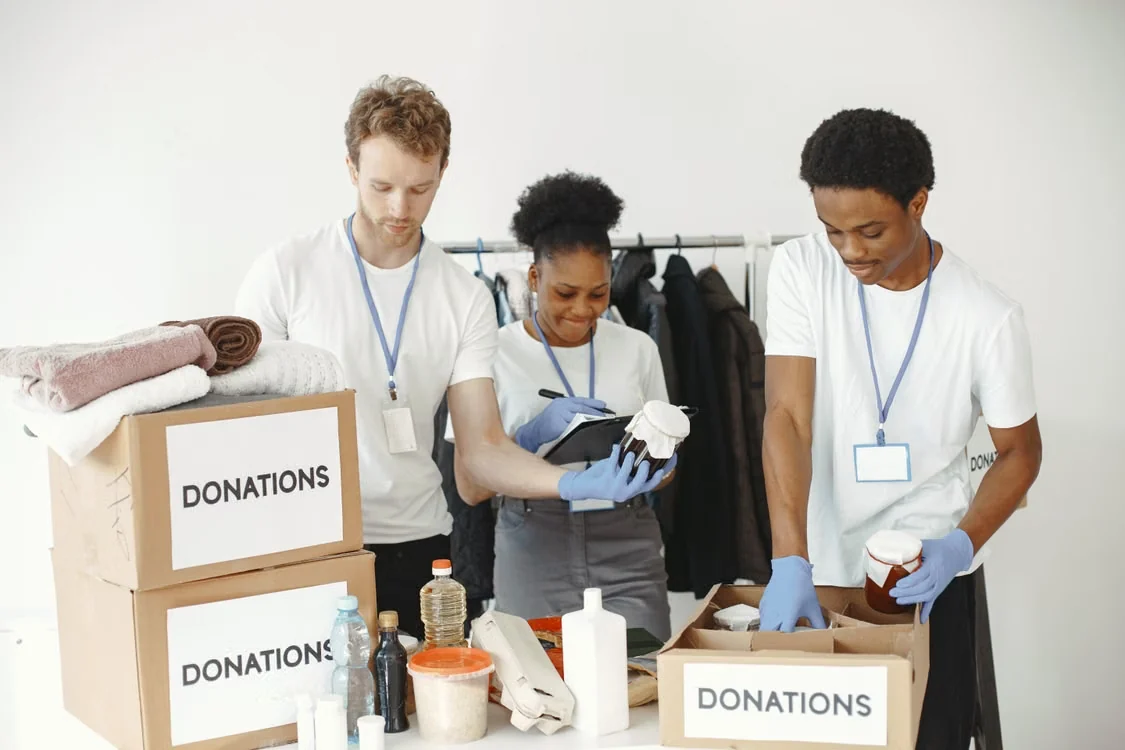
One opportunity on CSV is with the Market del Baratto and Muro della Gentilezza at Tempio del Futuro Perduto, Via Luigi Nono 7 in Milan. The appeal dated 23 September 2026 covers receiving and sorting donations, organising the storeroom and getting the spaces ready. There are also opportunities in planning and communications. Check with the organisers to see what’s currently available.
Contact muro@tempiodelfuturo.art or hello@tempiodelfuturo.art to ask whether the appeal is still open and what shifts or skills are needed now. Name the project, give a short outline of when you can help and ask for a first chat. It’s a good example of what to look for in a listing: the date, duties, location and how to join tell you more than a general call for kind people.
Keep the first message simple
Try something like: ‘Hello, I’d like to volunteer with your project. I’m new to this kind of work, and I can usually help two Saturday mornings a month. I live in [area] and I’m interested in [activities]. Do you offer an introductory meeting or a chance to shadow someone? Thank you.’ Make it specific to the organisation and offer only the time you can keep. A personal message is worth more than the same one sent to dozens of groups.
Mention useful skills, even if they feel ordinary: driving, using a spreadsheet, speaking another language, taking photos, cataloguing supplies or patiently explaining how something works. The coordinator may have a use for those skills later. If there’s a form, fill it in. It gives the team the details it needs and helps keep applications in one place.
Six things to ask before saying yes
Ask about duties, hours, training, who’ll supervise you, what insurance cover applies and what to do if you’ll miss a shift. Keep the questions in a note on your phone. Ask whether the role has any age or other requirements and what paperwork you’ll need. Services working with vulnerable people may have special safeguards and training. Follow the organisation’s instructions.
If a role involves physical effort, driving, evening shifts or equipment, ask what you’ll actually do and what support is available. You can explain practical limits without sharing personal details the team doesn’t need. The aim is a clear agreement you can keep. Find out if you’ll be standing for long periods before the team is counting on you for a shift.
On the first shift, watch and ask
Arrive at the agreed time and find the named contact. Listen to the briefing and ask before improvising. Respect the rules on handling personal information, photographs and people’s stories. Follow the organisation’s guidance before sharing images or anything that might identify someone, even if it moved you. You’re joining a service and relationships that began before you arrived.
Note anything you didn’t understand and ask for feedback afterwards. How did it feel? Did it take the time you expected? Did you have enough guidance? The first shift is a chance to see whether it works for both sides. If something feels off, talk about it. You may need a different task, more training or another role. You can ask for that without turning the difficulty into a private test.
Helping takes consistency, too
After the meeting, confirm the next step: another shift, training, an interview or an answer by a date you both agree on. Let the team know if you change your mind. If you haven’t heard back, send a brief follow-up, give the coordinator time and then consider another option. Organisations run at different speeds with different resources. A wait says very little about your willingness to help.
How useful you were isn’t always measured by how you feel when you get home. It might be a job done neatly, a shift covered or a person given time to talk. Start with one small, concrete commitment. Ask how to learn and keep the promises you make. Milan has plenty of doors. The first step can be knocking on the right one with your calendar in hand, ready to show up.
SOURCES AND FURTHER READING
Did this story touch your heart?

Share this story