SAINT LUKE: THE GOSPEL THAT MAKES YOU FEEL WELCOME!
A father running towards his son. A stranger stopping to help. Luke’s Gospel makes room for people who need to begin again. Today too.
You know when you fear you have disappointed everyone and the last thing you want is another lecture? In Luke’s Gospel, a father sees his son returning and runs to meet him. Before the prepared speech. Before settling accounts. It is one of the passages handed down by the evangelist remembered on 18 October.
Physician, travelling companion, evangelist
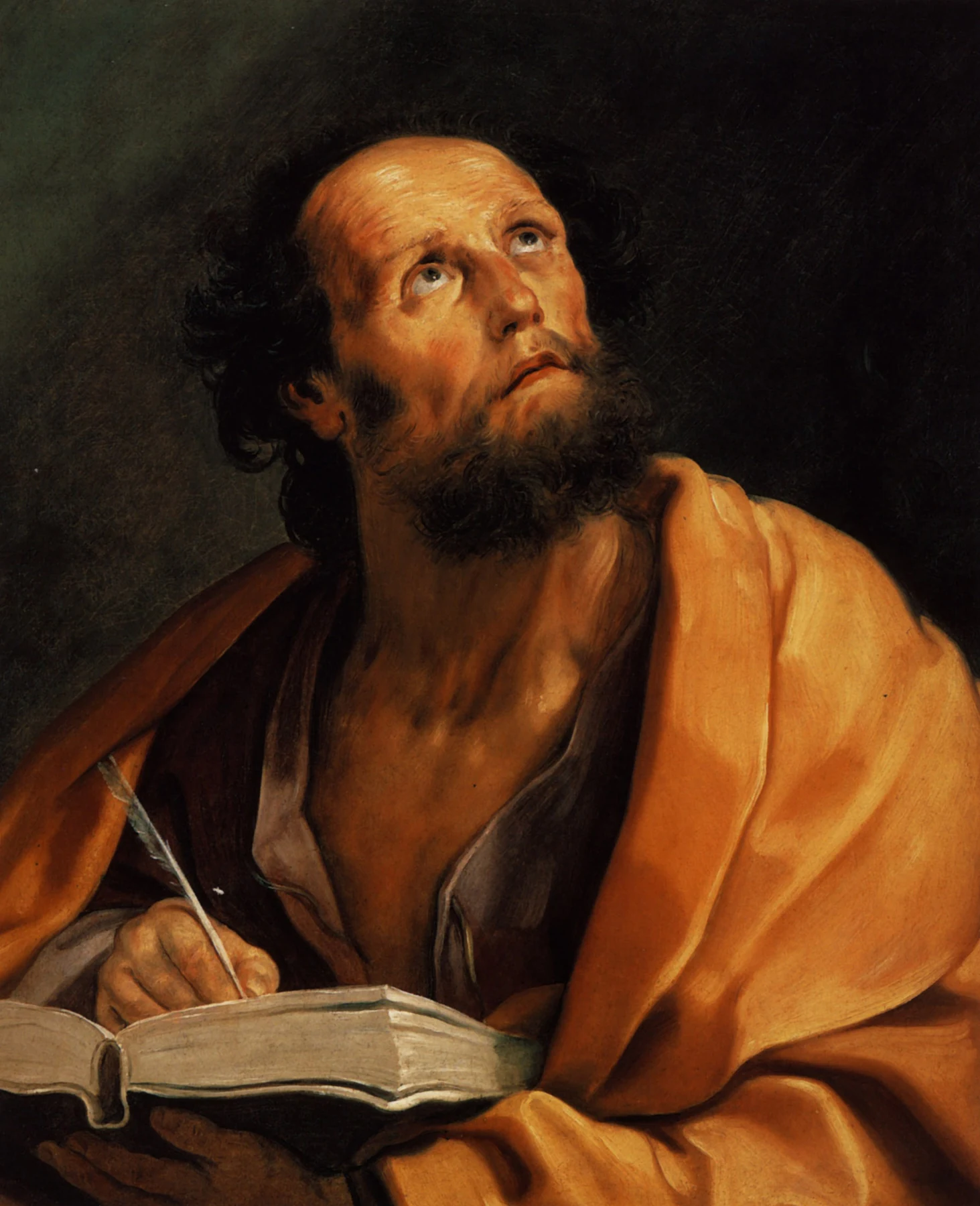
In the Letter to the Colossians, Luke is called the “beloved physician” (Col 4:14). Christian tradition attributes the third Gospel and the Acts of the Apostles to him; Eusebius identifies him as originally from Antioch in Syria. Some details of his life depend on ancient testimony rather than a complete biography.
His story is linked to Paul and the early Christian community’s journeys. Acts includes passages narrated in the plural: that “we” is traditionally associated with Luke’s presence beside the apostle. The Second Letter to Timothy preserves a brief statement: “Only Luke is with me” (2 Tim 4:11).
The beauty is in who finds room on his pages
The Good Samaritan and the merciful father are two parables distinctive to his Gospel. Luke also recounts the Annunciation and Mary’s Magnificat. Care for the poor, forgiveness and mercy reaching those considered distant return to the centre.
You can read them without immediately searching for a line to post. In the Good Samaritan, for instance, the uncomfortable point is stopping for an injured person. How much room is left for someone when your day is already full? How often does a need seem less urgent because it is not close to home?
And Luke the painter? Here tradition enters
In art we often meet him painting Mary. This is an iconographic tradition, to be distinguished from documented facts. Accounts of his death also differ: telling a saint’s story closely means leaving these limits visible.
Today you could begin with one passage
Open Luke 15:11–32, the parable of the father and his two sons. Read slowly: perhaps you recognise yourself in the one returning, or the one who stayed and feels overlooked. There is no need to choose the right character immediately. Bring into prayer precisely the part of you that struggles most to feel welcomed.
To find this feast and discover other encounters this month, open the October saints’ calendar at the entry for the 18th.