Your pet is ill after hours. Here’s who to call before you start the car
If your dog or cat is struggling to breathe, collapses, is bleeding heavily, is having a seizure or may have swallowed something toxic, contact an emergency veterinary clinic immediately and set off without waiting for the symptoms to pass. Say what you can see and when it started. Keep the carrier or lead handy and follow the clinic’s transport instructions.
Save the number you will want when the practice is closed
It is Sunday. Your usual vet is closed, your phone has four search results with the word “emergency” and your cat keeps getting in and out of the litter tray. This is when you need to reach the clinic that can see them. If there are two of you, one can call and the other can fetch the carrier. If you are on your own, call while you are still parked or at home and set off as directed. With severe symptoms, try your backup if the line is busy and avoid waiting at home for a return call.
Do the research when your pet is well. Look for a clinic with an emergency service that treats your pet’s species and save a second option. Check the official website for overnight and holiday hours, the telephone number and the address. Your usual practice’s answerphone may tell you who provides cover. In some hospitals the emergency entrance is separate from the main door used for appointments. Save the right entrance in your map app along with the phone number. Share it with whoever takes care of your pet while you are away.
If you are away for the weekend, save an emergency clinic near where you are staying. Check the likely journey time and put the hospital’s name into your map app. If your dog or cat travels with you, keep their treatment details in a note you can open even when you have no signal. When you arrive somewhere unfamiliar, show the people travelling with you where you left the carrier and the lead. You can sort it out before everyone finishes unpacking.
Signs that mean it is time to go
Breathing is one of the first things to describe on the phone. A pet that is visibly fighting for breath, collapses or loses consciousness needs immediate care. The same applies to heavy bleeding, a seizure in progress, serious trauma such as being hit by a car, and suspected poisoning. Have a vet check your pet after serious trauma even if they can still walk. If they hide or become agitated, leave some space around their face and ask the clinic how to move them safely.
Is your cat visiting the tray repeatedly, squatting and producing a few drops or no urine? Call immediately. A urinary blockage is possible and needs urgent attention, particularly in male cats. For a dog, a belly that swells quickly together with repeated retching without bringing anything up is another reason to go at once. Describe both signs and when they started. “He keeps getting into the tray and I haven’t seen any urine” gives the person on the phone a clearer picture than “He seems off.”
If the change is less obvious, call your usual vet or the out-of-hours clinic and say what is different from normal. Tell them whether your pet responds to you, whether they take regular medicine or have a health condition, and whether things are getting worse. The person who answers can tell you where to go or what to watch. Write it down if they ask you to call back at a set time or watch for a particular sign. Call again immediately if a serious symptom appears.
Three things the clinic needs to know
Start with the species, approximate age and weight, if you know it. Then say when you first saw a problem and describe what is happening now. “Eight-year-old dog, about twenty kilos, struggling to breathe for ten minutes” gives the clinic something concrete to work with. If there might have been an accident or an ingestion, mention what you think happened and when. If you have already spoken to another clinic and received instructions, pass those on.
If you suspect a tablet, cleaning product or potentially toxic food, grab the packaging or take a picture of the label if you can do so safely and without delaying. Say what you found open and how much might be missing. You can be helpful even if you have no idea how much your pet swallowed. Avoid making them vomit or giving medicine, milk or home remedies unless a veterinary professional tells you to. Have the list of their usual medications ready and say whether you have already given them anything.
Make the trip as safe as you can
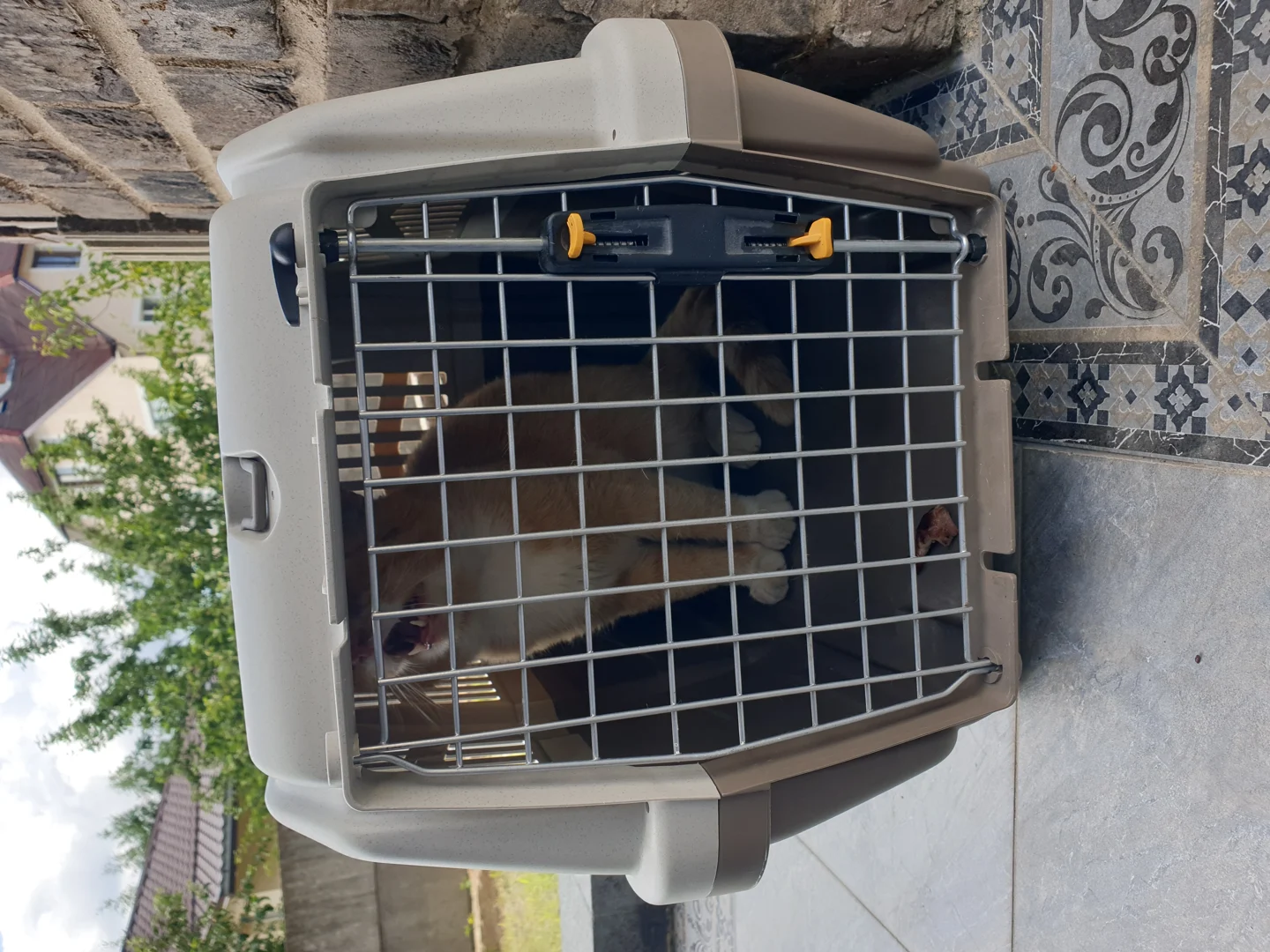
Follow the instructions you received before you move your pet. An injured or frightened animal may bite or scratch people they know. Give them space, ask children and other animals to leave the room and approach calmly. If they are struggling to breathe, avoid squeezing them or covering their face. After a suspected injury, limit movement and ask for help moving them. If you use a carrier, keep it stable in the car. When two people can travel, the driver can watch the road and the passenger can keep an eye on the animal.
Let the triage team know on arrival if breathing has become worse or your pet is less responsive. Staff may ask you to wait while they prioritise the patients in greatest danger. Keep your pet with you and tell someone immediately if their condition changes. Before leaving, ask which information your regular vet will need for a follow-up and where to find the written instructions. Remembering what was said in a busy waiting room is much harder than looking at a piece of paper when you finally get home.
After the first assessment, there may be a chance to discuss which tests or treatments the vet is proposing. Ask what needs to happen straight away and which decisions can wait until the results are in. Ask about the estimate and leave a number where the clinic can reach you if your pet needs to stay for observation. If two of you came in together, one can ask the questions while the other takes a few notes.
Make a ten-minute note while everyone is well
Open a note and share it with anyone who looks after your animal. Write their name, species, age, approximate weight, health conditions, regular medicine and the usual vet’s details. Add your chosen emergency clinic, the out-of-hours number and the route. Keep a readable copy of any current prescription. If you are leaving the dog with a friend for the evening, show them where the lead and carrier are and make sure they know who can drive them. A phone full of old messages is an awkward place to look during an emergency.
Try a thirty-second rehearsal. Find the clinic contact, open the map and locate the entrance. Ask someone else in your household to open the same note and do the same thing. If you both find everything first time, put the phone down and go back to your walk. You will have the first step ready for the night that surprises you.
Source: Schwarzman Animal Medical Center ↗
SOURCES AND FURTHER READING
- Ospedale Veterinario Universitario di Bologna · Pronto soccorso per piccoli animali
- Ospedale Veterinario Universitario di Lodi · Pronto soccorso e terapia intensiva
- AVMA · Pet first aid
- Merck Veterinary Manual · What to do in a dog or cat emergency
- Cornell University · Feline lower urinary tract disease
- Cornell University · Gastric dilatation volvulus
- Schwarzman Animal Medical Center · First aid for pets
Did this story touch your heart?
Psst… you’ll like this too!
How to get your cat used to the carrier before a vet visit
Read the story ↗Share this story