Your Apple Watch comes to the gym: here is the news Orangetheory!
A look at the wrist during the lesson, then the summary of the training. Orangetheory connects Apple Watch to its platform: the novelty starts in the United States and reopens a question that concerns all. How to use the data without feeling under scrutiny?
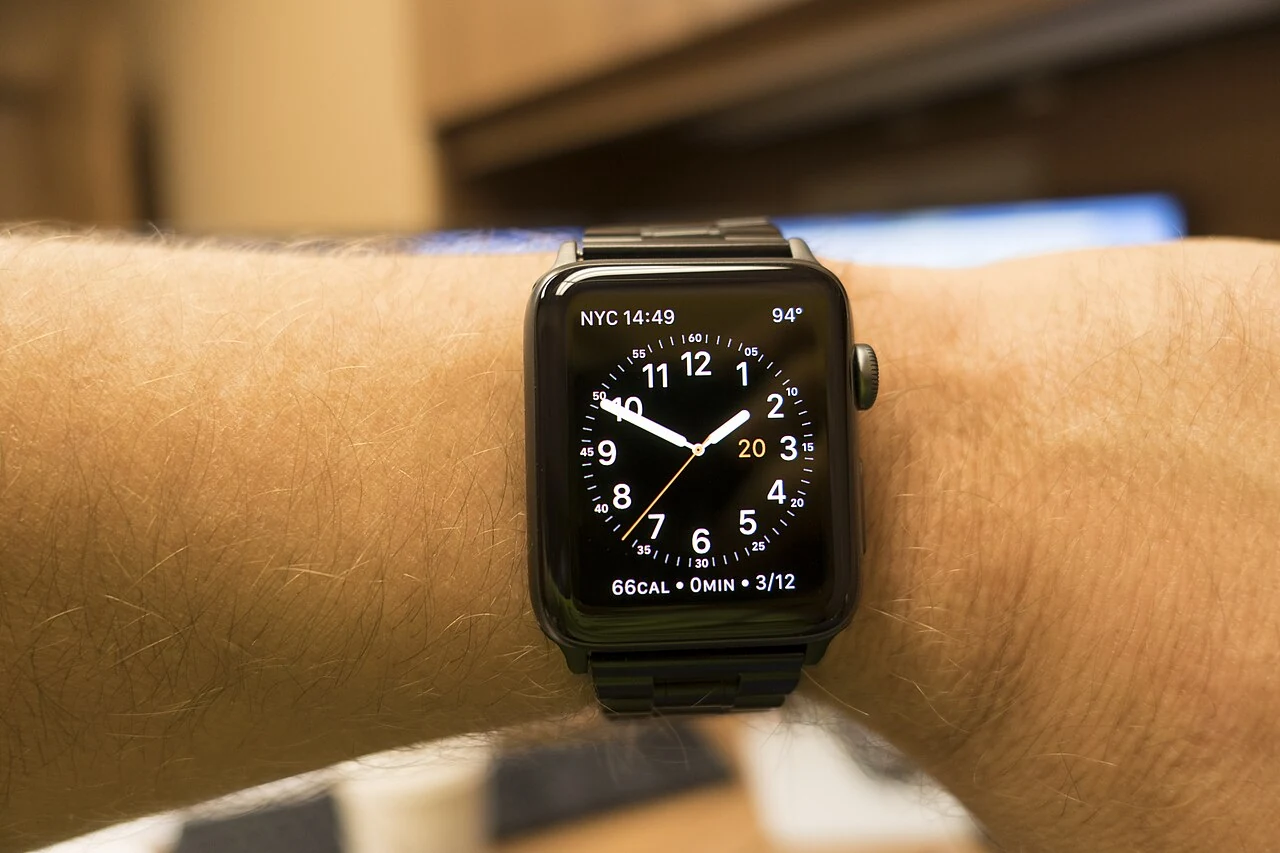
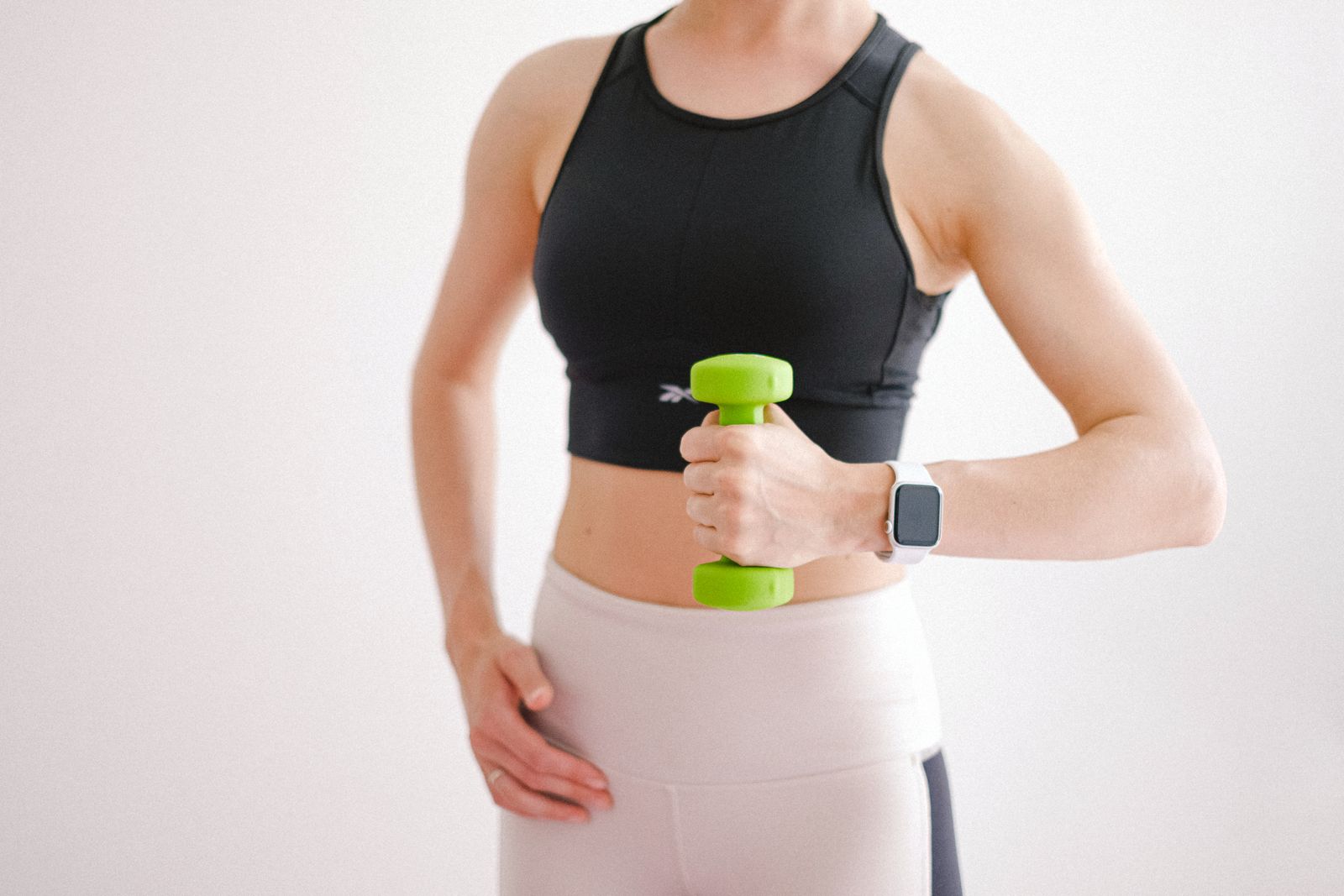
Bag ready, shoes to the feet, wrist watch. For those who attend studies Orangetheory, just that watch can enter differently into the lesson. The novelty is called OTconnect for Apple Watch: announced on 22 October 2026, connects the device to the brand platform.
The idea is to use a device that you already have to follow some session information. It is a precise technological innovation, with a cost and requirements to know. And it gives us a very daily cue: when we look at a number during physical activity, what would we really like to understand?
What changes, in practice
With OTconnect you can start training from Apple Watch once connected to the system. During the lesson, heart rate, intensity zones, estimated calories and Splat Points appear. At the end you will find a summary of the watch; further data are available in the OTF app and in the post-session email, as described by the company.
Imagine you want to remember how the lesson took place, instead of relying only on a general impression. A summary can offer a point from which to start asking questions to the coach. Which parts were designed to increase intensity? Where was the recovery planned? How to adapt the work next time? Data makes sense when it connects to what you were doing.
The connection costs $99
The announced cost is one-off: $99 for connection. It is the integration tariff, to be distinguished from the price of lessons and the device. The proprietary OTconnect Beat monitor remains an option available.
For those who read from Italy is therefore a news to know, without confusing it with a function already usable in their gym. If you attend an interested study, ask directly which services it understands and if it adheres to the launch: an international name can propose different experiences according to the location.
Splat Points: the score has a context
In the FAQs of the app, Orangetheory explains that changes in the maximum heart rate used by the system may change the zone thresholds and, consequently, the Splat Points. This detail helps to understand why a score should be read along with the settings with which it is calculated.
For a reader, the useful question may be: • What is this screen showing me? • What is this screen showing me? Asking for an explanation is entirely reasonable. The language of a platform you learn, such as the name of an exercise or the way you adjust a tool. No one has to get to the first lesson knowing everything.
You can also tell the coach what goal he brought you there: to better know the exercises, to find a routine, to feel more comfortable in the room. They're concrete directions for the conversation. The summary of the watch can be added to them, leaving room for the feelings and questions you want to share.
The way to wear the watch also counts
Apple recommends keeping the personal information used in the calculations up to date and wearing the watch correctly: above the wrist, with the sensors in contact with the skin and a comfortable strap, neither too tight nor too loose. The documentation also states that the type of movement and the conditions of use may affect readings.
Before assigning meaning to an unusual screen, it is therefore worth checking the settings and reading the manufacturer's directions. You can mark what you don't understand and talk about it with those who follow the training, instead of trying to interpret everything while you're performing an exercise.
A novelty within a wider trend
The ACSM 2027 report, published on 20 October 2026, places wearable devices in first place and data-based training technology at the eighth. Group lessons go from thirteenth to seventh place. The survey collects the evaluations of more than 1.400 professionals: it photographs the sector and does not certify the effectiveness of a single product.
OTconnect brings together these three components: a personal device, session information and a guided lesson. For those who are considering an activity, it may be interesting to see how they dialogue. Does the presence of more data respond to what you are looking for? Do you like to consult them? Would you rather spend a moment with them at the end? These are preferences to deal with when you choose an experience.
The question you can bring to the next lesson
Try one thing that intrigues you: "Today I would like to better understand this exercise." Eventually you can ask yourself if the explanation has been helpful, if you have found room to ask questions and if you want to come back. These are also concrete elements of your experience.
The watch will collect the summary. Choosing which place to give the movement in your day is you, with the time you have and the activities you want to know. A good lesson should give you that freedom, too.