An intimate wedding in 2027: fewer guests, a celebration full of you
Thirty guests, one shared table and thoughtful choices: plan a small wedding with suitable spaces, clear costs and generous hospitality.
In this article
- Choose the number by writing the names
- Option one: ceremony and a private-room lunch
- Option two: a small wedding weekend
- Option three: a morning ceremony and a generous aperitif
- Separate costs that change from costs that stay
- A small table does not need everything in miniature
- Four seasons and very practical comfort
- In church, intimate remains meaningful
- Explain your choice without weeks of justification
- A little coordination gives your time back
- Make the last check a conversation with guests
A shared table where you recognise every laugh, time to talk to everyone and a toast that does not have to cross an enormous room: this is the appeal of an intimate wedding. For 2027 it can be a wonderful choice, but it is not a newly invented format and does not automatically guarantee a small bill. The task is to plan a celebration proportionate to your group rather than shrink a large production until it feels empty. Begin with the kind of gathering you want to experience together.
Choose the number by writing the names
Make a list of people rather than only categories of relatives. Then agree a consistent approach to partners and children and communicate it clearly and kindly. Thirty or forty guests can be a useful working number for your project; it is not a universal official definition of a micro wedding. The right scale depends on you, your family and the venue. Do not give suppliers a low number while expecting to add people later. Even a few extra covers can change the table layout, room or service minimum.
Option one: ceremony and a private-room lunch
For thirty local guests, lunch in a restaurant’s private room can simplify the day. Look for a bright space where people can sit comfortably and leave the table without moving an entire row. Have the venue draw the actual table, service routes and space for a toast. Establish whether welcome drinks happen in the same room or a separate area and exactly what exclusivity includes. A well-arranged private room can feel more intimate than an entire villa with distant rooms and a small group scattered between them.
Option two: a small wedding weekend
An estate with bedrooms can create more time together if accommodation costs are clear. Tell guests the required nights, included meals, booking process and cancellation terms before they commit. Do not turn an obligatory expense into a romantic surprise. Where the venue allows it, give people who cannot stay overnight the option of attending the main day only. Choose one optional activity, such as a short walk or shared breakfast, rather than filling every hour of the weekend.
Option three: a morning ceremony and a generous aperitif
A morning ceremony followed by substantial drinks and food, then cake, can suit a daytime celebration. Explain the format in the invitation so guests know what to expect and can organise the rest of their day. Work with the restaurant to establish which dishes make it a proper meal, which are served at the table and which require queuing. Provide seats when everyone needs them, accessible water and somewhere to rest. Calling the event an aperitif does not itself solve hunger, duration or logistics.
Separate costs that change from costs that stay
Consider an illustrative calculation using figures chosen only for planning. Thirty hypothetical menus at €100 total €3,000; forty total €4,000. A photographer booked for the same hours does not automatically cost a quarter of the fee for a wedding with 120 guests. Venue hire, musicians and some decoration costs work similarly. Divide your budget into per-person expenses and fixed expenses. A smaller list helps financially only where the agreement genuinely allows a reduction in the quantity you must pay for.
Check minimum covers and any room-hire fee before choosing. If the restaurant requires a minimum total for exclusivity, request prices for thirty and forty people over the same duration. Include tax, drinks, cake, staffing and closing time. Set aside a contingency you have deliberately chosen. No indicative number replaces a written quote for your date. The goal is to understand which decisions change the bill rather than promise an identical tariff in every city.
A small table does not need everything in miniature
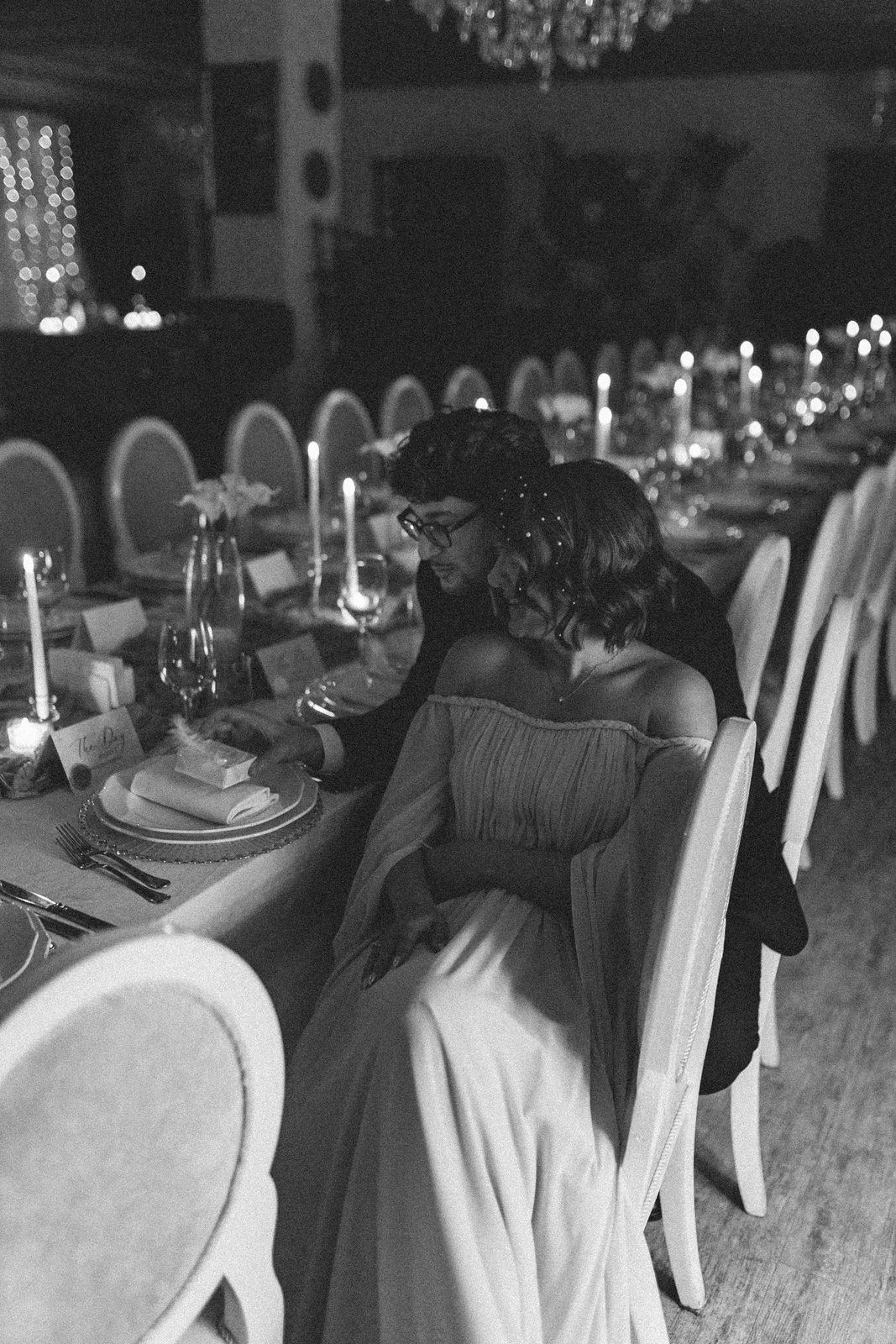
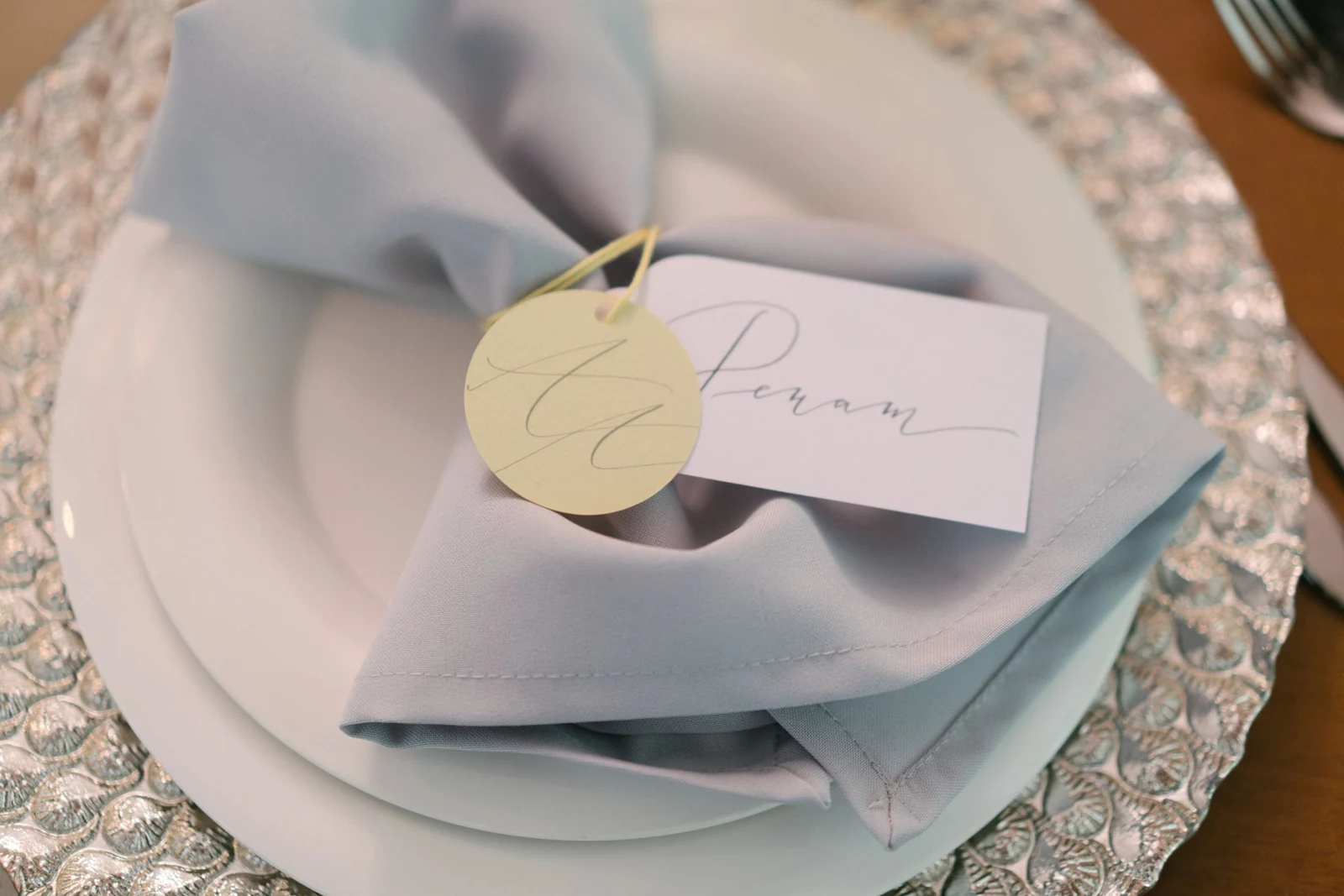
For one long table, choose a light tablecloth, napkins in a colour you love and low vases spaced apart, leaving room for serving dishes. Test the arrangement with real glasses and bottles: a photogenic centrepiece may occupy the bread’s place. If some guests have hearing difficulties, distribute seats to support conversation and keep background music low. With a small group, you may enjoy writing individual notes, but keep names legible and avoid turning every place setting into a package people must dismantle.
Four seasons and very practical comfort
In spring, choose a garden directly connected to the room and have indoor places ready. In summer, find shade at the actual lunch hour and offer water as guests arrive. In autumn, arrange photographs before the afternoon turns dark and check the route back to the car park. In winter, request a room heated beforehand, a cloakroom and a straightforward entrance. A smaller group makes individual requirements easier to discuss. Use that advantage to welcome people rather than assume everyone can walk comfortably, stay overnight or remain late.
In church, intimate remains meaningful
A Catholic celebration with few guests retains its sacramental significance and preparation requirements. Agree the location, preparation, documents, readings and music with the parish. Large decorations are unnecessary for a deeply lived ceremony; concentrate on participation and helping people follow. If the church and reception are apart, organise transfers just as carefully as for a large wedding, with full addresses and a contact. A short guest list does not remove delays, access difficulties or the need for directions.
Explain your choice without weeks of justification
Say kindly that you have chosen a small celebration with a restricted group. Avoid vague promises of later invitations simply to make an awkward conversation easier. Send complete information to invitees and request responses in time for the service deadline. If you want to share a photograph with others afterwards, use a personal message rather than making it resemble a late invitation. The event’s scale belongs to your plan; care for your relationships continues beyond the wedding day.

A little coordination gives your time back
Give a willing helper a contact list and two or three specific tasks: welcoming one guest, keeping the rings or collecting belongings afterwards. Do not give them every responsibility because the group is small. Agree service finishing times, return transport and payments beforehand. Then protect a stretch of unplanned time: coffee together, a short walk or a conversation that can continue. That breathing room is one of the pleasures of an intimate wedding and deserves as much protection as the prettiest table.
Make the last check a conversation with guests
Before confirming the layout, ask guests with particular requirements which arrangement actually works for them. A seat near the exit may help one person and inconvenience another; do not decide from a floor plan alone. For people travelling from elsewhere, send a transport suggestion with realistic times and clarify whether you have booked it or are merely recommending it. If the reception finishes early, check that guests can reach the station or accommodation without an excessive wait. A small celebration allows very personal hospitality. Use that advantage to remove a practical obstacle while leaving guests free to decide how they participate and when they return home.
Return to the 2027 wedding guide to connect outfits, styling and planning. The Wedding Special also includes the four seasonal guides.
SOURCES AND FURTHER READING
Did this story touch your heart?

Psst… you’ll like this too!
A wedding that tells your story, one thoughtful detail at a time
Read the story ↗Share this story

