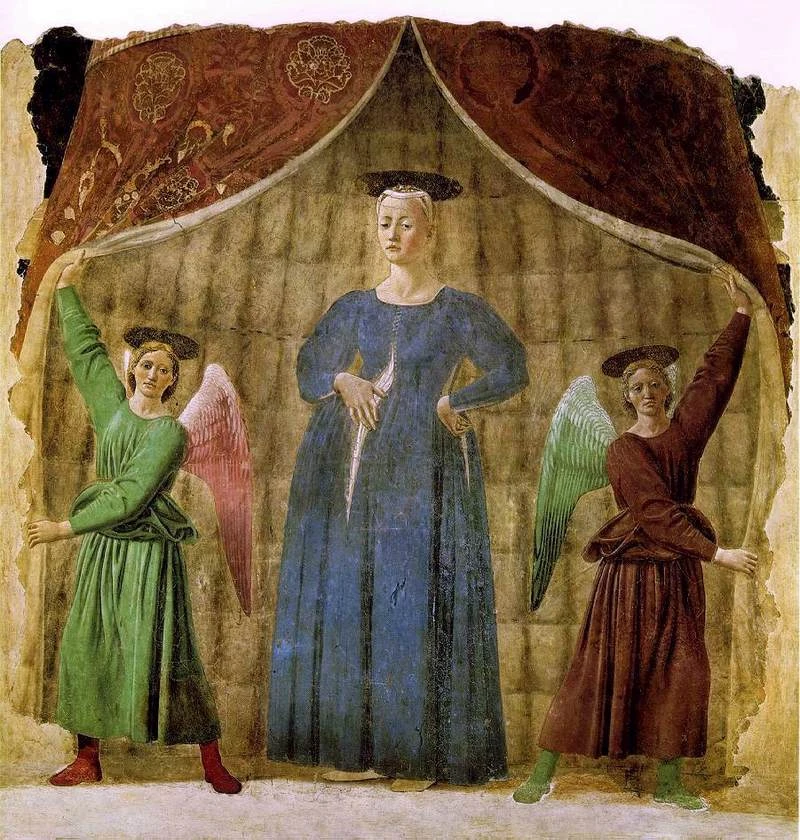
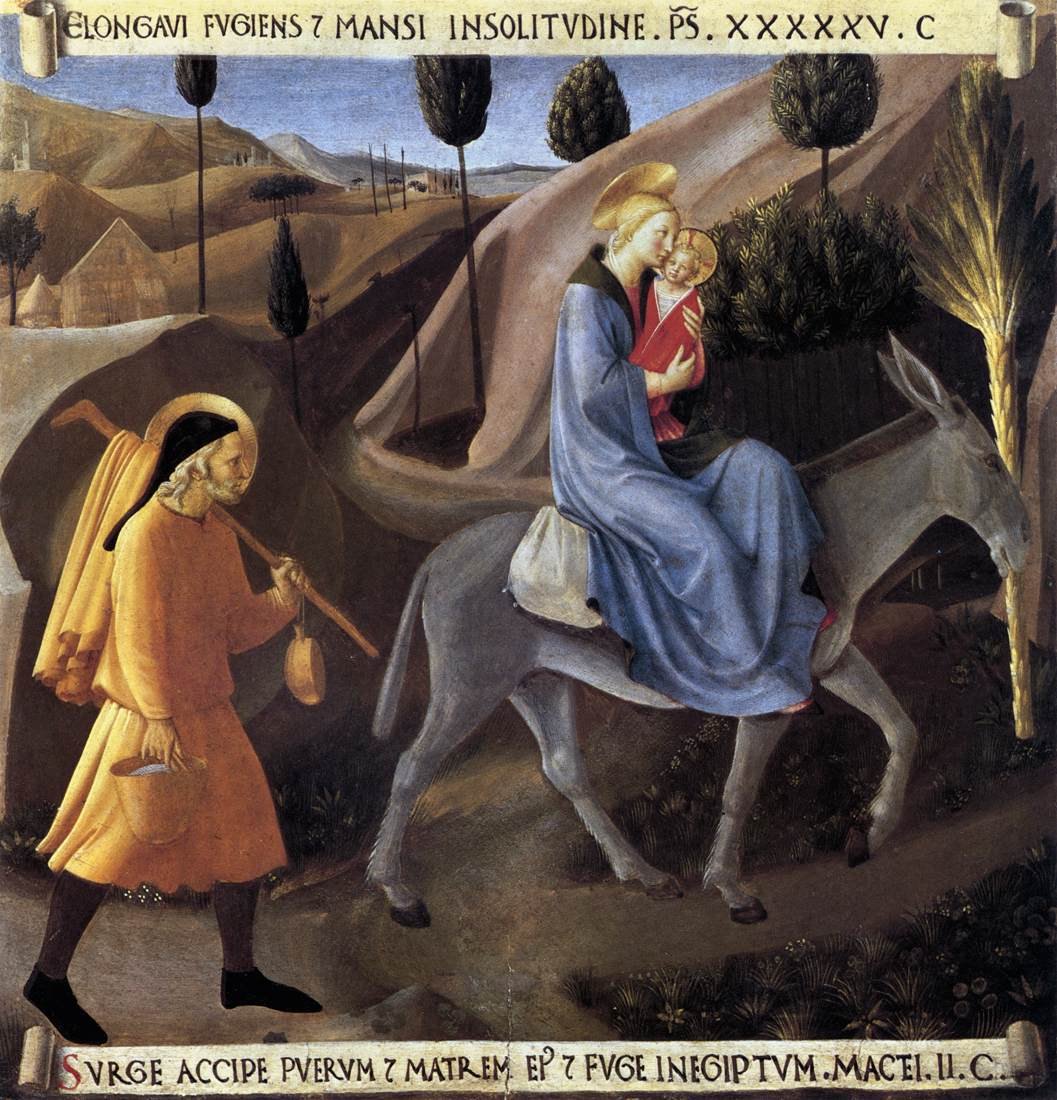
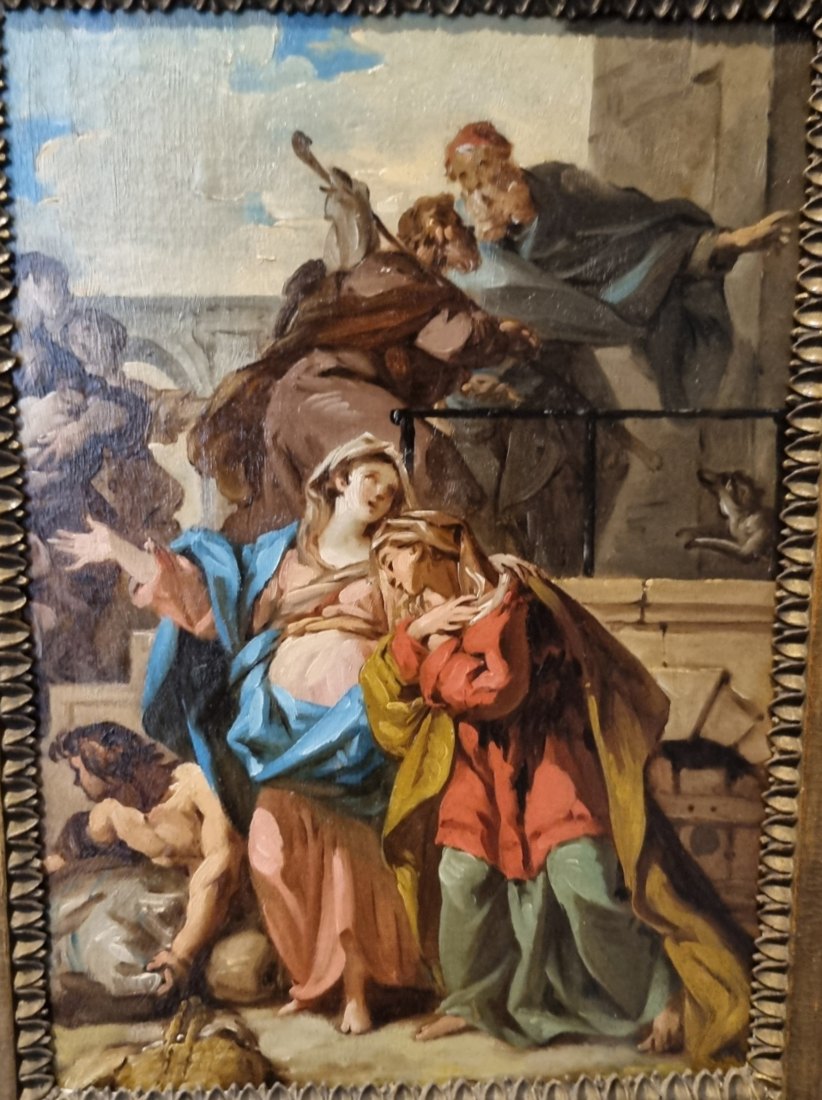
WHAT FACE DOES MARY HAVE WHEN YOU THINK OF HER?
The Madonna on the bedside table of the grandmother, that view on the road, the one that has accompanied you for years. The images of Mary also tell how we met the faith.
Maybe you don't remember when you first saw her. It was already there: on a piece of furniture, near a photograph, in the small painting that nobody moved during the cleaning. For you, Our Lady had that face. Before you even knew a whole prayer, you had met her among the household objects.
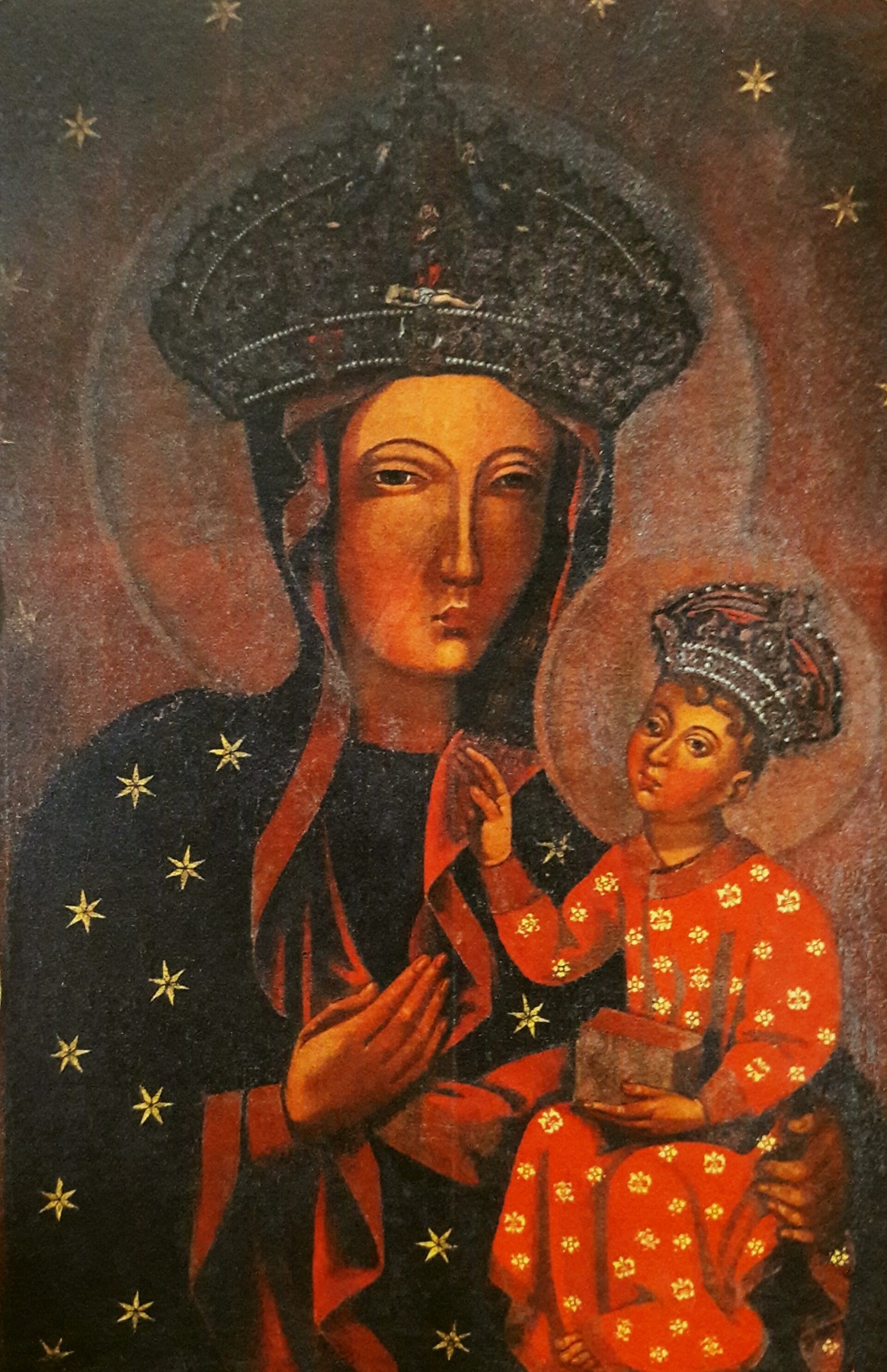
Then you went into other churches, you traveled, you saw different images. A dress you didn't recognize, more intense colors, a severe or sweet look. Perhaps you stopped in front of the black Madonna of Częstochowa and felt something familiar inside a representation that seemed new to you.
What face is Mary when you think of it? The question is about art and devotion, but it also comes to memories. To those who taught you to make the sign of the cross, to a room in which you felt safe, to someone you now wish you could call again.
That image knows something about your family.
A small print can retain a value that no artistic evaluation explains. The paper is discoloured, the frame maybe you don't like, yet you can't put it away. It brings you back to a gesture: a hand that fixed it, a flower left next to it, a kiss given before going out.
The bond can be even more complicated. There are people for whom religious objects call affection and others for whom they bear the weight of reproaches, fears or impositions. In front of the same image we can have different feelings. It helps us not to assume that all have received faith in the same way.
If you're looking for your own relationship with Mary, you can start with how you really feel. Even from the distance. Looking at an image calmly, without having to demonstrate devotion immediately, can open a more sincere question than many repeated gestures only by habit.
The images of Our Lady are not photographs
In the artistic and devotional tradition Mary was represented in many ways. An image expresses choices of style, symbols and sensibility of those who realize it and of the community that welcomes it. It should not be presented as a photograph able to tell us with certainty what its appearance was.
The reproduction of Our Lady of Częstochowa accompanying this page should also be viewed as a devotional image. His face belongs to an artistic and religious history. Here we do not attribute legendary explanations or events that the image alone cannot document.
A picture can approach us to Mary without pretending to exhaust the person. We can be struck by a painted look and then return to the Gospel, to know its presence next to Jesus. The emotion in the face of beauty and the search for faith can be accompanied, letting themselves also be questioned by one another.
A Faith That Meets Many Cultures
Pope Francis, in Evangelii Gaudium, at numbers 115–118, describes the relationship between the Gospel and the plurality of cultures. Faith can find expression in the life of peoples without identifying itself with a single cultural form. It is an important reference when we look at the variety of languages with which Christians express what they believe.
Hence our reflection on Marian images. A face that seems unusual to us may be familiar to someone else. What for us is the memory of a journey, for another woman can be the image in front of which she grew up and prayed in decisive moments.
We can try to look with curiosity, before determining which Madonna seems most beautiful to us. What does the affectionate person recognize in that representation? What gesture did you teach him? Who do you think of when you stop in front of that face? Questions like this make room for people, as well as works.
To whom does your prayer come?
The Catechism, at number 2132, distinguishes the veneration of images from the worship due to God: the honor given to an image refers to the person represented. This helps to understand why an object can accompany prayer without becoming something to attribute autonomous power to.
The image does not oblige you to achieve a result, nor does it make prayer more effective because it is older, precious or rare. It can help you gather, remind you of a loved presence and direct your gaze. The relationship of faith goes beyond paper, wood, color.
You can either keep a small picture on your bedside table, or you can have none of them that you're particularly attached to. You can pray in a church that feels yours and learn, over time, to recognize beauty elsewhere. You don't need to have the same taste to share your faith.
The face you carry with you
If you could tell a single picture of Mary to a friend today, which would you choose? Maybe the simplest one. Maybe someone you found in a drawer that no one's looked at in years. You could start with the place, the person who gave it to you, a small memory.
In the account, gratitude, nostalgia, or an open question may appear. You can take them into prayer as they are. A painted face can be the beginning of a meeting: you stop to look at it and, without having anticipated it, you find a part of your story that still had something to tell you.