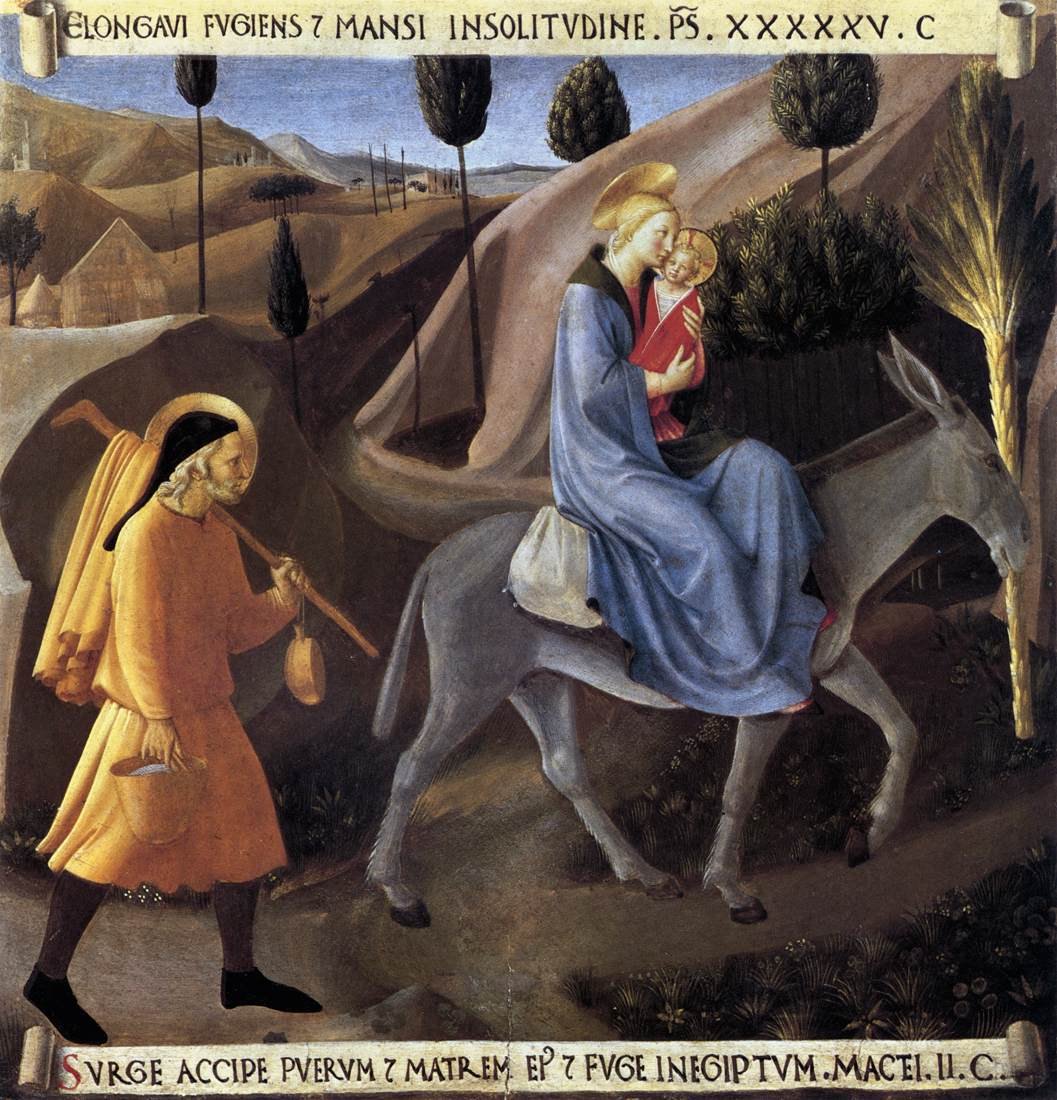
MARY GOES TO ELIZABETH. WHO DO YOU RUN TO?
There's news that gets you looking for someone right away. The visit of Mary to Elizabeth brings us into a house where joy finds a voice and a presence that welcomes it.
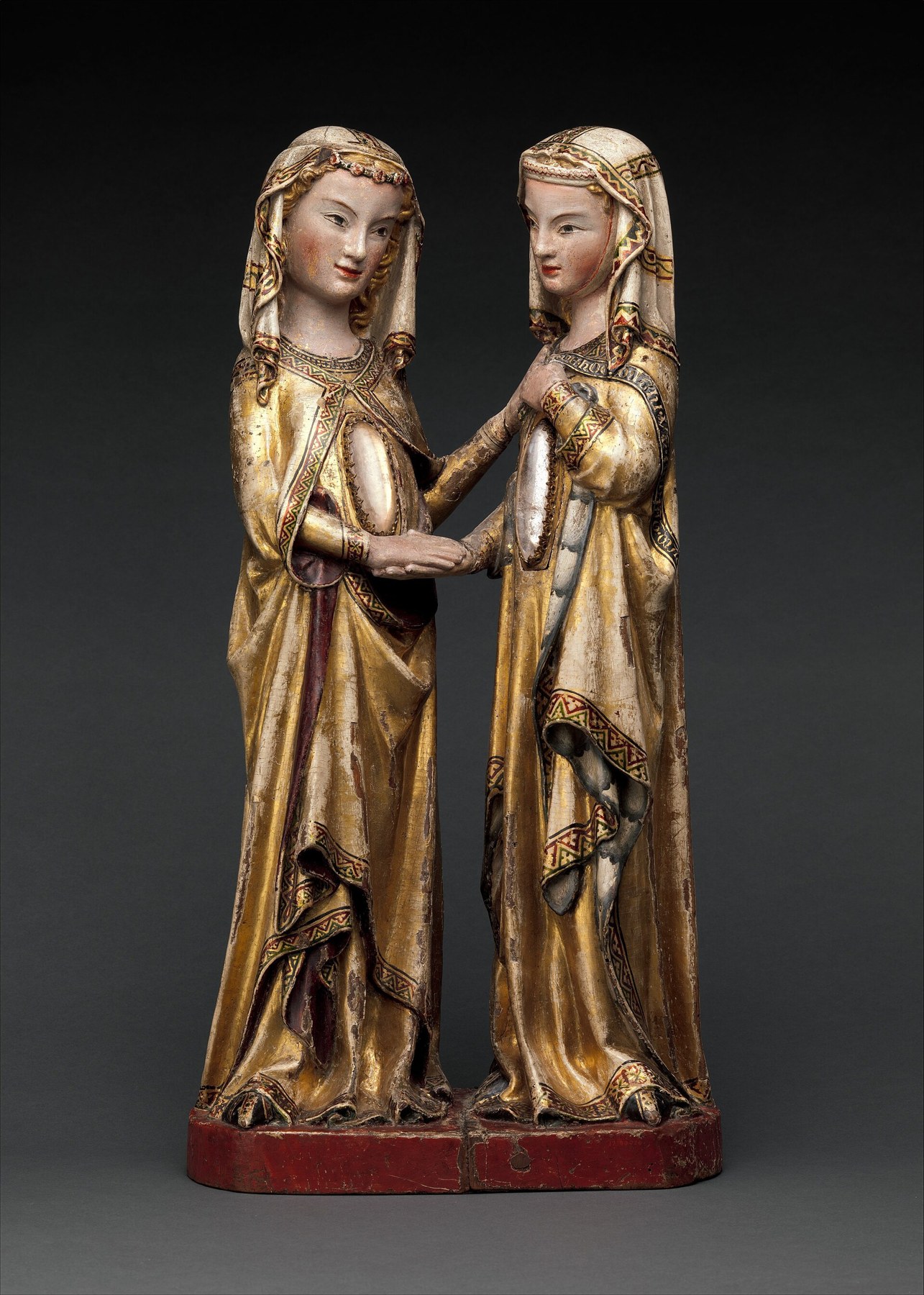
The news comes and you know who you want to call. Before you find the right phrase, look for that name on the phone. You could start a vowel and then interrupt it: some things, if possible, you would want to tell them by looking a person in the eyes.
A joy can do this. It fills you up, and at the same time, it moves you towards someone. A waiting decision, a chance that finally opens, something you still don't know how to tell. You want a face able to welcome her, to let you finish the sentence, to be happy with you.
In the Gospel of Luke, after the Annunciation, Mary travels to Elizabeth, his relative. Enter Zechariah's house and greet her. From that greeting comes an encounter full of joy and faith. It is the Visitation, told in Luke 1,39–56: a page that we can reread thinking about the people we move towards when life becomes great.
Two women and a house filled with words
The text says that Mary leaves quickly towards the mountainous region. When Elizabeth arrives, she hears her greetings, the child whispers in her womb and she is filled with the Holy Spirit. He recognizes Mary as the mother of his Lord and proclaims her blessed for believing the word received.
Mary answers with the Magnificat, the song that begins: "My soul magnifies the Lord." His gaze extends to God's mercy and action in history. Luke adds that he stays with Elizabeth about three months and then comes home.
The meeting therefore has a depth that surpasses the mere exchange of good news: at the center there are Jesus, the faith and the work of the Spirit. However, we can also give rise to our own question from this very concrete point of view. What happens when a person helps you to recognize the good you are living?
Joy needs someone who doesn't put her in the race
You must have told me something nice and got corrected right away. Yeah, but you'll see later. Yeah, but I did better than that. Or that you've reduced the news yourself so you don't look too happy. So the moment you wanted to share becomes small before you even start.
There are people who can stay there. They ask for a detail, they smile, let you repeat something you have already said. They don't have to have the same experience to recognize how much you count for you. Their closeness allows you to live in a joy that you may have struggled to believe even in your own.
If you listen today, you can offer this space. Send back the comparison with your story, ask a sincere question, let the other person tell you. Even a happiness needs to be treated with care: it can come after a long wait or still be full of unbelief.
What if his news touches your expectation?
It is possible to love someone and feel a lot as he tells. A pregnancy, a marriage, a home, a job can meet a desire that is still open to you. The visit of Mary to Elizabeth should not be used to promise the same outcome to all or to ask for immediate joy in front of every news.
You can recognize how you feel and find an honest way to be there. A loving message, a meeting at a more suitable time, a few simple words. Even finding someone to talk to about your trouble can help you not to ask your friend to hide her happiness.
Links also mature by learning these differences. There are days when we can listen a lot and others when we have less space. Saying a limit with respect, without turning it into a rebuke, can safeguard friendship and allow it to continue.
A presence that lasts more than a greeting
Mary stays for about three months. A visit grows into a shared presence. Think of your important encounters: after that first hug, how do you keep making room for one another?
After congratulations, can we remember to ask how you're doing? A beautiful novelty can also bring tiredness, decisions, things to learn. Those who start a journey may need company even when the thrill of the first announcement has passed.
Sometimes you just have to pick up a conversation. How are you? Is that thing you were expecting here? You want to tell me? Small questions show that a person has remained in our thoughts. Loving memory can become a concrete form of closeness.
Your Elizabeth could live far away
Not always the person you want to reach is around the corner. There may be a distance, a changed friendship, a loss. You can feel together the desire to share and the lack of who would be able to welcome you. You don't need to cancel this nostalgia to enjoy what happened.
You can take her to prayer with Mary and then seek a possible presence today. A phone call, a really organized coffee, a message that begins with a very simple thing: I wanted to tell you. Maybe on the other side someone was just waiting for your name on the screen.