A WASHING MACHINE CAN CHANGE A DAY
The washing machine finishes while you are doing something else. Open the door, retrieve the sock stuck to the drum, check whether that stain has finally gone. It is so normal that dedicating an article to it may seem absurd.
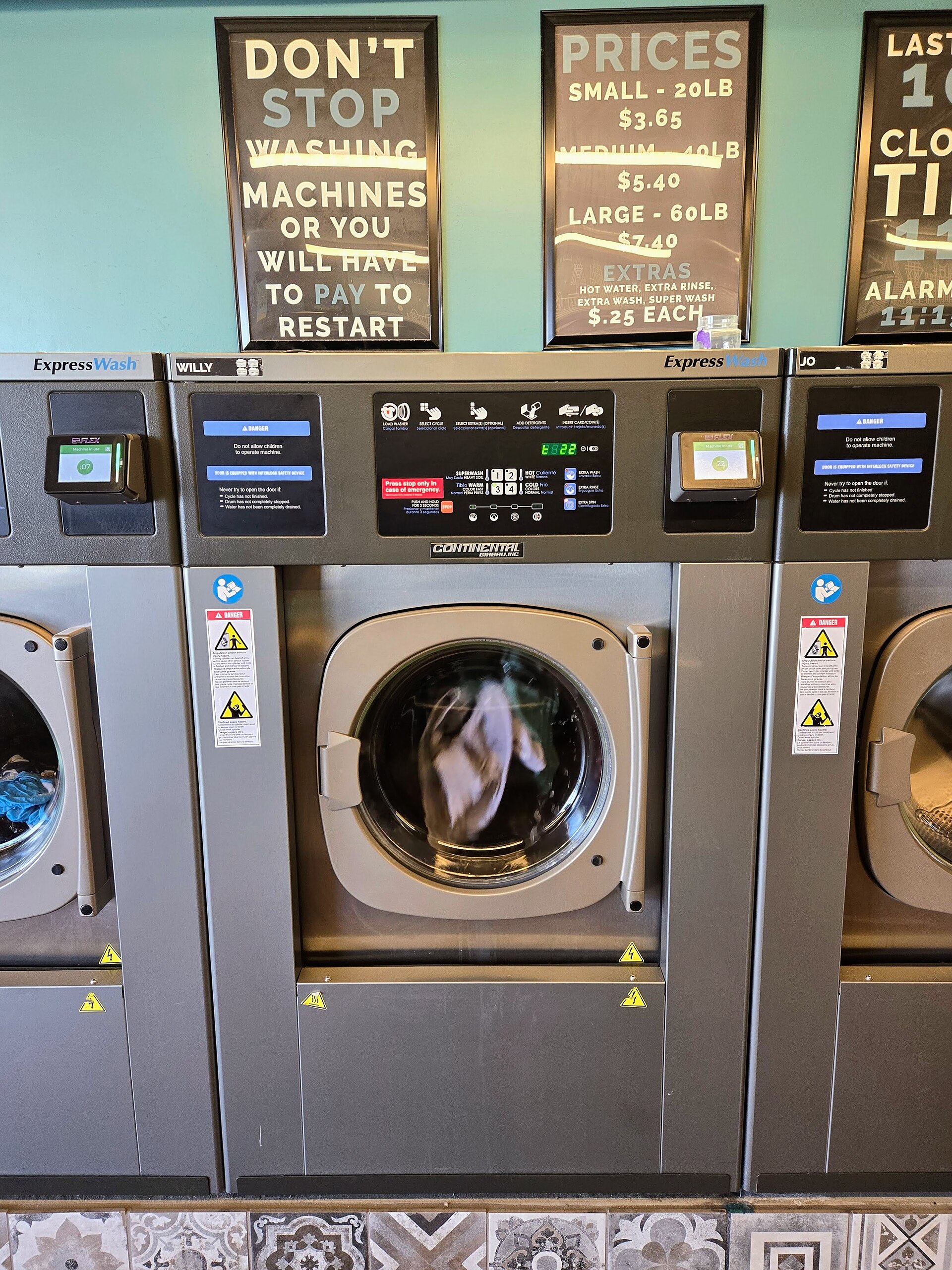
Now remove just one possibility from the day: washing your clothes. No home to hang them in, no appliance to start, few changes to keep in a bag. What happens to choosing an outfit for an appointment, a medical visit, an ordinary day?
Pope Francis’ laundries draw attention to this need. Help takes the form of water, detergent and time, inviting us to take people’s everyday lives seriously.
Practical help at the House of Friendship
In an account published on 22 February 2024, Sant’Egidio describes the laundry present since 2017 in Rome’s Casa dell’Amicizia. It lets vulnerable people wash their clothes. The Community also describes showers, haircuts and access to medical care in the same facility.
The project has grown across several cities. A laundry opened in Catania on 17 May 2024, with free washing machines, dryers and showers. Everyday things become possible again: washing a shirt, drying it, feeling comfortable wearing it.
They raise a question: when we think about helping someone, do we imagine their entire day?
A small need only to those able to meet it
Clean clothing can bring relief, comfort and one less worry before an encounter. Financial difficulty does not erase tastes, habits or preferences. Someone may care about a shirt, want to keep an item received from a loved one, wish to present themselves a particular way.
Recognising this means noticing the person beyond the most urgent need. Sometimes we seem to expect people asking for help to surrender choice too. To be grateful for anything without expressing a preference. That attitude deserves questioning.
Dignity does not arrive with clean clothing: it already belongs to every person. A well-run service can respect it, protect it from avoidable humiliation and recognise it practically. The difference is felt in tone, listening and being able to ask without becoming a spectacle.
The Gospel meets the laundry basket too
Matthew 25:35–40 connects our relationship with Christ to actions towards people needing food, drink, welcome and clothing. It brings faith into contact with very material needs.
The washing machine enters our reflection here. Good needs organisation, maintenance and continuity too. Someone must notice a product has run out, a machine needs repair, a person is waiting. Care becomes visible through things we often miss from outside.
Remembering this may help when we want an important gesture but do not know where to start. Before inventing an initiative, listen to those maintaining a service daily. Discovering what is truly needed already belongs to helping.
Offering help without improvising
Sant’Egidio’s official volunteering page lets you find local contacts and offer availability. The Community explains that an introductory conversation helps identify suitable activities and time commitments. This does not mean every branch has a laundry or vacancies in that particular service.
Explain how many hours you have, your skills and commitments you can keep. Before donating products, ask what is requested. If seeking assistance or accompanying someone, check current opening times and access arrangements directly: they vary between facilities.
Realistic availability is better than an enormous promise made in enthusiasm. Services need reliable people; volunteers also need to understand what is being asked and receive clear instructions.
Telling a service’s story requires care too. Receiving help does not make its users available subjects for photographs. Faces, names and stories deserve respect. We can explain a project, support its organisers and invite others to learn without exposing private vulnerability. Discretion can accompany the legitimate wish to share good work.
What we can learn at home too
Perhaps you cannot volunteer today. You can still notice a nearby need without assuming you understand it. Ask someone what would be useful. Accept an answer different from your prepared idea.
Next time you empty the drum, the gesture may contain another detail. A reminder that something ordinary for you can require considerable effort for someone else. Sometimes good begins precisely by taking a shirt needing washing seriously.
Source: Elisir / Rai 3 — Sant’Egidio ↗