International Day of Persons with Disabilities: can everyone say ‘see you there’?
3 December is the International Day of Persons with Disabilities. A concert, an exhibition or a trip to the cinema shows where accessibility begins.
Jump to what you need
- The ramp is one part of the journey
- ‘Accessible’ is an adjective. An address tells you where to go
- People need to be able to buy a ticket
- Reading, listening and finding your way
- The barriers you can’t see in a photo of the door
- Ask before you step in
- People who know the barriers should help make decisions
- Something to try before 3 December
You’ve found a concert, sent it to the group chat and decided who you’re going with. Then you try to work out how to get in. The website says the venue is accessible, but there are steps in the photo of the entrance. Is there another door? Does someone need advance notice? Can you get from there to the toilets? The International Day of Persons with Disabilities falls on 3 December. Proclaimed by the UN General Assembly in 1992, it’s about questions like these, too. Article 9 of the UN disability rights convention addresses access to buildings, transport, information, communications and services. An evening out shows how much each part of the trip depends on the others.
The ramp is one part of the journey
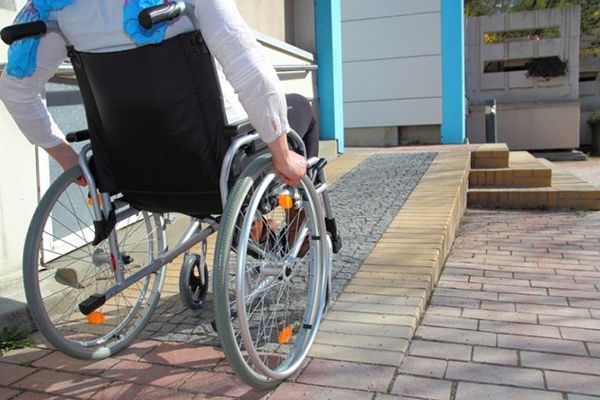
When you’re planning a visit, picture the route all the way through. It starts at the bus stop or car park. Then come the pavement, the crossing, the door and perhaps a lift. An entrance ramp may be available, and the visit can still fall through because the last lift is out of order. If you run a venue, follow the route you describe on your website. Check whether the alternative entrance has a clear sign and whether the intercom is within reach. See if doors, corridors and other passages are actually clear when the venue fills up. If building work or a breakdown changes the route, update the directions online, too.
‘Accessible’ is an adjective. An address tells you where to go
On an event page, the street name for the step-free entrance and information about accessible toilets tell people more than a general promise of a warm welcome. A current photo can also help when it shows the route as it looks on arrival. Say whether the door stays open throughout the event or somebody has to unlock it. List any wheelchair spaces and where they are. Give people a written way to get in touch alongside the telephone number. With those details, someone reading the page can decide whether the venue will meet their needs and ask a specific question if they still have one.
People need to be able to buy a ticket
Sometimes the first barrier is a long way from the theatre door. You try to buy a ticket and discover the final booking button only works with a mouse. Or the entire programme is a poster with tiny lettering, shared as an image with no text version. One way to catch problems is to try booking from the event page using only a keyboard. Can you tell which element has focus? Can you select a date? If you make a mistake in a field, does the message help you fix it? Try again on a phone with larger text and you may spot other problems, like buttons slipping off the screen just as you need them.
Source: W3C Web Accessibility Initiative ↗
Reading, listening and finding your way
Think about a talk in a library. Some people may need captions or interpreting to follow it. Others might ask for readable information beforehand so they know how arrival works, how long the talk lasts and when there are breaks. If you post the recording afterwards, check the automatic captions before sharing it. A misspelt name or a sentence credited to the wrong speaker can change what the audience takes away. Similar questions apply to a tour or an exhibition. Audio, written information and visual directions help in different ways. When you tell people what is available in advance, they can decide how to find their way around and follow the material.
The barriers you can’t see in a photo of the door
Flashing lights, loud music, queues in the sun and talks without a break can all affect whether someone can take part. Describing what will actually happen helps more here than billing something as a night for everyone. Does the music play all evening? Can people leave and come back on the same ticket? Is there anywhere to sit while waiting in the queue? Is there a quiet area, and if there is, how do you get there? In a small venue it can help just to say when and where crowds are likely. If arrangements change at the last minute, update the places people have already checked, from the booking page to the confirmation email.
Ask before you step in
If someone arrives with a companion, speak directly to the person you’re addressing. If you think they might want a hand, ask and wait for the answer. ‘Would you like me to hold the door?’ is more specific than suddenly stepping in. It also helps to know how a heavy door opens or where someone can sit, so you can give a clear answer without improvising. The same thoughtfulness applies to planned meetings and events. Ask what information people need in advance and give them a private way to reply. Someone can tell you how they prefer to receive materials without sharing their medical history with the group.
People who know the barriers should help make decisions
When a library wants to improve a room, it can involve people with varied access needs while it’s still designing the space. There’s a big difference between asking for feedback on a map you can still change and showing it after you’ve paid for printing. Ask what already works, too. The best route might already exist, but if staff only explain it verbally each new visitor has to start over. Once the work is finished, share accurate information and leave a way for people to report remaining barriers. If the same difficulty keeps coming up, pass it to somebody with the responsibility and resources to fix it, and set a date to check the result.
Something to try before 3 December
Pick somewhere you care about, maybe your neighbourhood cinema or the hall where your community group meets. Open its information page and imagine you’re going there for the first time. Can you identify the entrance and the route from the bus stop? Can you buy a ticket without a mouse? Before leaving home, can you tell what services you’ll find once you arrive? Write down the first point where you’re missing information. If you’re the one organising the event, you can put the answer next to the date and time, where you’ve already told everyone to look. That one detail might allow someone to write ‘see you there’ in the group chat and get back to choosing a film.
SOURCES AND FURTHER READING
Did this story touch your heart?
Psst… you’ll like this too!
In Bologna there is a bar where the meeting begins from the hands
Read the story ↗Share this story