In Bologna there is a bar where the meeting begins from the hands
At the Unnamed Bar, near the Herbal Market, ordering a coffee can become the first step towards the language of another person. A story of work, culture and the desire to understand.
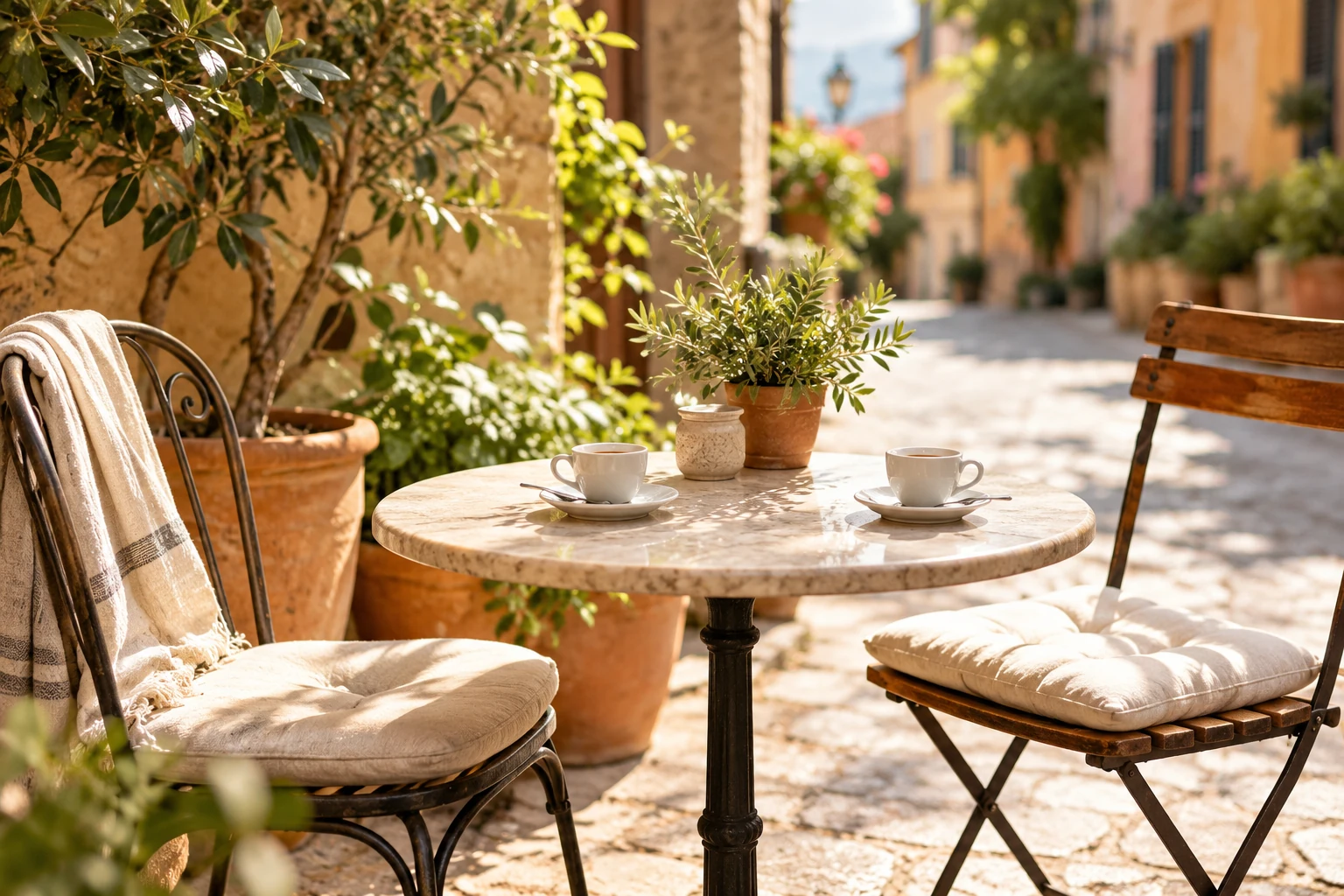
How do you ask for coffee when the person behind the counter can't hear you? You can write that down. You can point that out. You can try to learn the sign. The question seems small; the availability it requires can change the way you relate to someone.
In Bologna, in via Belvedere 11/B, the nameless Bar puts this possibility in a daily gesture. The club, founded in 2012 by Sara Longhi and Alfonso Marrazzo, has become a meeting point between deaf and deaf people. Those who arrive find an activity born from the initiative of deaf people and a concrete invitation to communicate also through channels other than voice.
The first step we can take
To order there are notes, writing and the Italian Sign Language, the LIS. You don't need to know her before you go in. You can start with the visual tools that are available and accept the need for an explanation for once.
It is a change of perspective that concerns anyone who is used to considering his own way of communicating as the obvious one. If the voice is not enough, we can look for another way. Stop us, look at us, figure out which instrument you really help. The time devoted to this passage is already part of the meeting.
Behind the counter there are entrepreneurs
The history of the nameless also has cultural roots. In a deepening of the SILIS Group, Alfonso Marrazzo tells the path of a group of deaf people who organized artistic initiatives and sought a space in which to combine work and cultural activities.
Opening the premises required investments and solutions to make the environments suitable for visual communication. Tickets for orders respond to a practical need: they facilitate the service and offer to those who enter a starting point. Behind an idea that may seem immediate there are design, resources and work.
It is worthwhile to dwell on this very thing. When we tell an inclusive reality, recognizing the skills of those who built it means looking at the whole story: the responsibility for an activity, the difficulties faced, the decisions taken to make it work.
A space in which to meet also through culture
Exhibitions and cultural initiatives are part of the local route. The project thus offers an exchange ground that goes beyond consumption: a place where to attend and know different experiences.
Culture can open this door with great naturalness. An image, a representation, a creative work give something to share. Curiosity about what a person realizes can lead us to ask questions and discover his world, without reducing it to a single characteristic.
Inclusion enters habits
It is easy to agree with a beautiful word. More challenging is to give her a place in the day: to prepare readable information, to think of different tools, to accept that communication requires a small effort also on our part.
The nameless bar offers us a precise cue: accessibility is built in choices. That note on the counter allows you to participate in a common situation. It is not necessary to turn every ordination into a lesson; just that the possibility of understanding oneself is there, available.
If you pass Bologna, you can look for it near the Herb Market. Before organizing a visit, check the local channels for the times and initiatives of the moment. And it brings the curiosity of those who are willing to learn: sometimes, to get close to someone, the most beautiful gesture is to start with his language.
Source: Notizie in LIS – Gruppo SILIS ↗