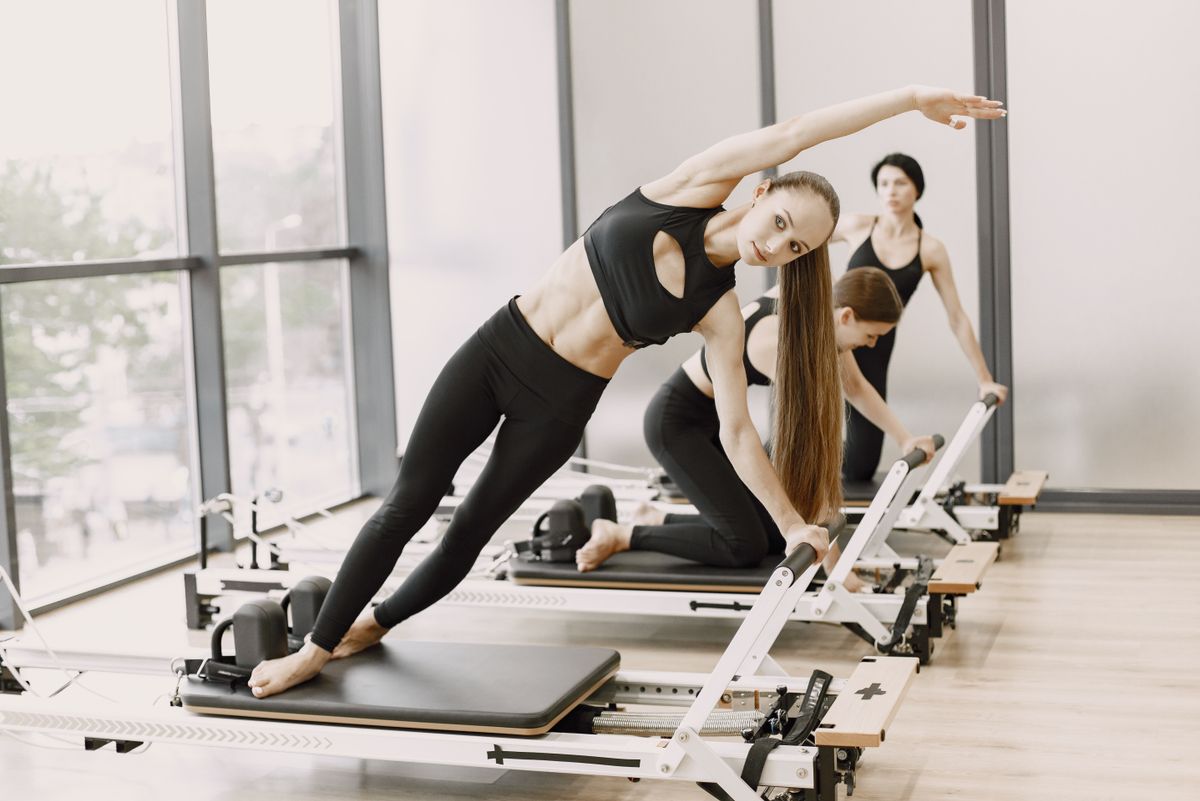
See you in class? Group fitness is attracting attention again
Music, a welcoming instructor and someone to smile with when you lose the rhythm. Group classes rise six places in ACSM’s 2027 report: here is how to find one where you feel comfortable.
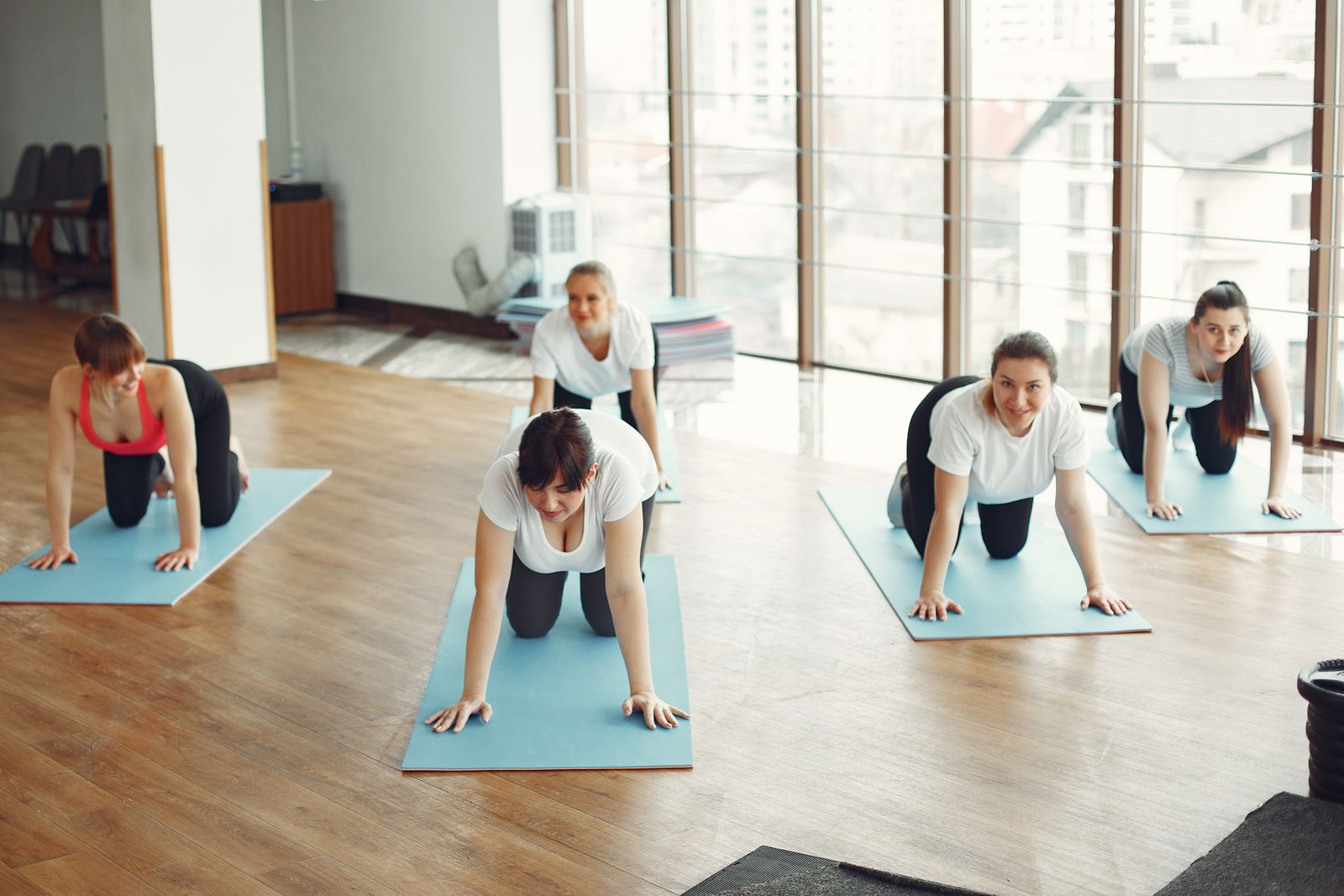
Sometimes the hardest part is opening the door for the first time. Everyone seems to know where the mats go, when to collect weights and how to follow the music. You hold a water bottle and wonder: will I manage?
A good class begins with how the instructor welcomes that question. Training together can mean learning movements and finding a regular appointment, without reinventing the beginning every week.
The news: six places higher in ACSM’s ranking
The ACSM 2027 report, released on 20 October 2026, moves group exercise from thirteenth to seventh. Based on more than 1,400 fitness professionals, it describes industry trends rather than Italian gym registrations. It does not mean every local studio is suddenly full.
It does offer a practical starting point. Alongside digital tools, guided shared experiences are gaining attention. Ask yourself which class you would actually like to try.
What the SATS data tell us
In its third-quarter 2026 results, released on 27 October, Nordic operator SATS reports a 4% increase in group-training workouts against the same quarter of 2025, following 10% growth a year earlier. Total workouts rose 2%, while membership declined 0.5%.
The figure counts class attendances across that operator’s markets. Alongside the ACSM ranking, it points to interest in moving together. Your starting question can be simpler: where would you feel comfortable learning, asking questions and coming back?
Begin with curiosity, then the class name
Music lovers might explore dance fitness or indoor cycling. Those interested in technique could ask about strength, Pilates or mobility. Joining a friend is also a perfectly good reason to book a trial.
A timetable label does not tell everything. Two identically named classes may have different pace, equipment and audiences. Ask about beginners, group size and alternatives. Specific answers help more than enthusiastic slogans.
You have nothing to prove on day one
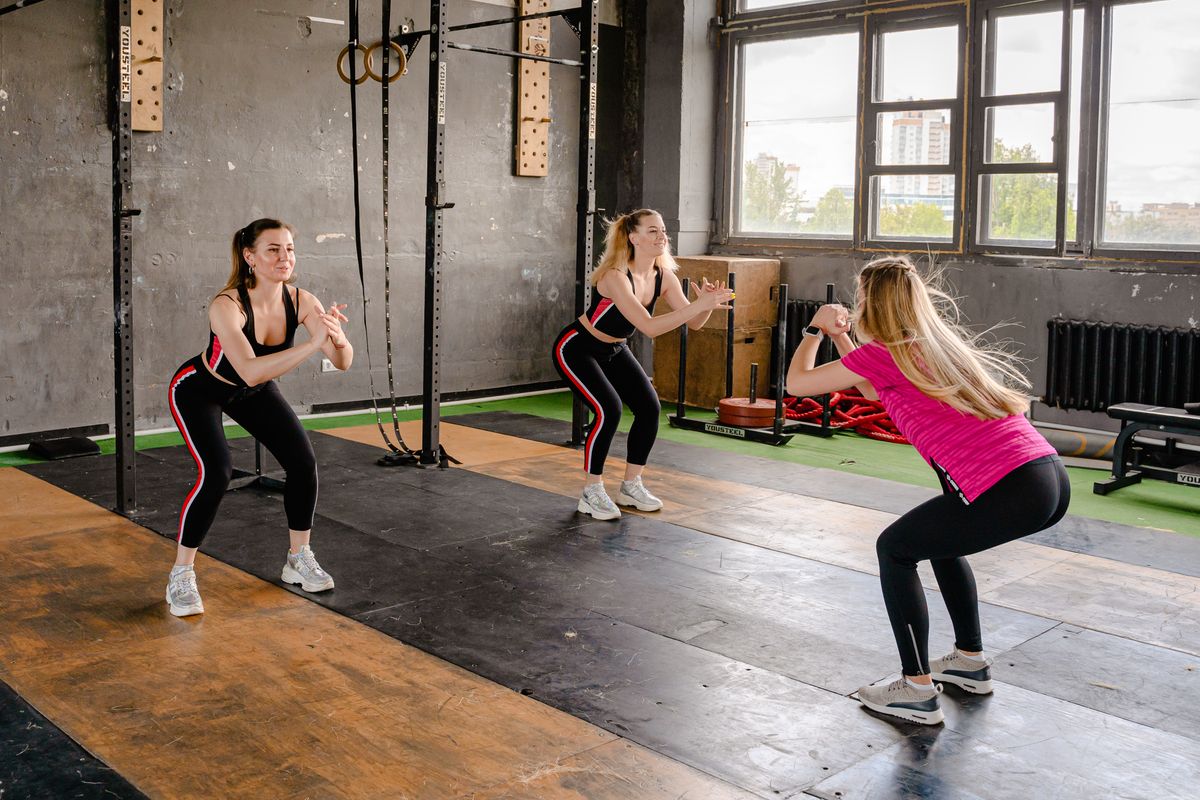
Arrive a little early and explain that you are new. Ask where you can see clearly, what equipment you need and how to signal confusion. These are normal questions: guidance is part of the service.
Notice explanations, time to understand, offered alternatives, respect for slower participants and freedom to pause. A welcoming space is made through these actions as much as through decor or music.
The group needs room for you too
Moving together does not require an identical pace. You can learn gradually, choose another variation or stop an unsuitable exercise. Discuss particular needs beforehand and consider whether the class provides the attention you require.
Practical details make returning possible: timetable, journey, cost, missed-class arrangements and membership terms. A wonderful unreachable class may remain a wish; a suitable nearby one can become a real appointment.
The question after your trial
Before counting sweat, consider how you were treated. Did you learn? Feel heard? Want to return? You need not love every experience. A trial can show that a particular room or format is not for you.
If you leave thinking ‘I will come back’, treasure that feeling. A habit may begin with a greeting, a place for your mat and someone asking: see you next time?