Choose your own groceries at a solidarity shop
If you need help with groceries in Milan, start with your local Caritas listening centre or the district social services. Ask how to be considered for the solidarity shop serving your neighbourhood. At the Caritas shops in Barona and Lambrate, shopping is reserved for referred households. Once admitted, people choose goods from the shelves and use a points card. If you would like to help, contact the network before buying groceries to donate.
What happens when you walk in
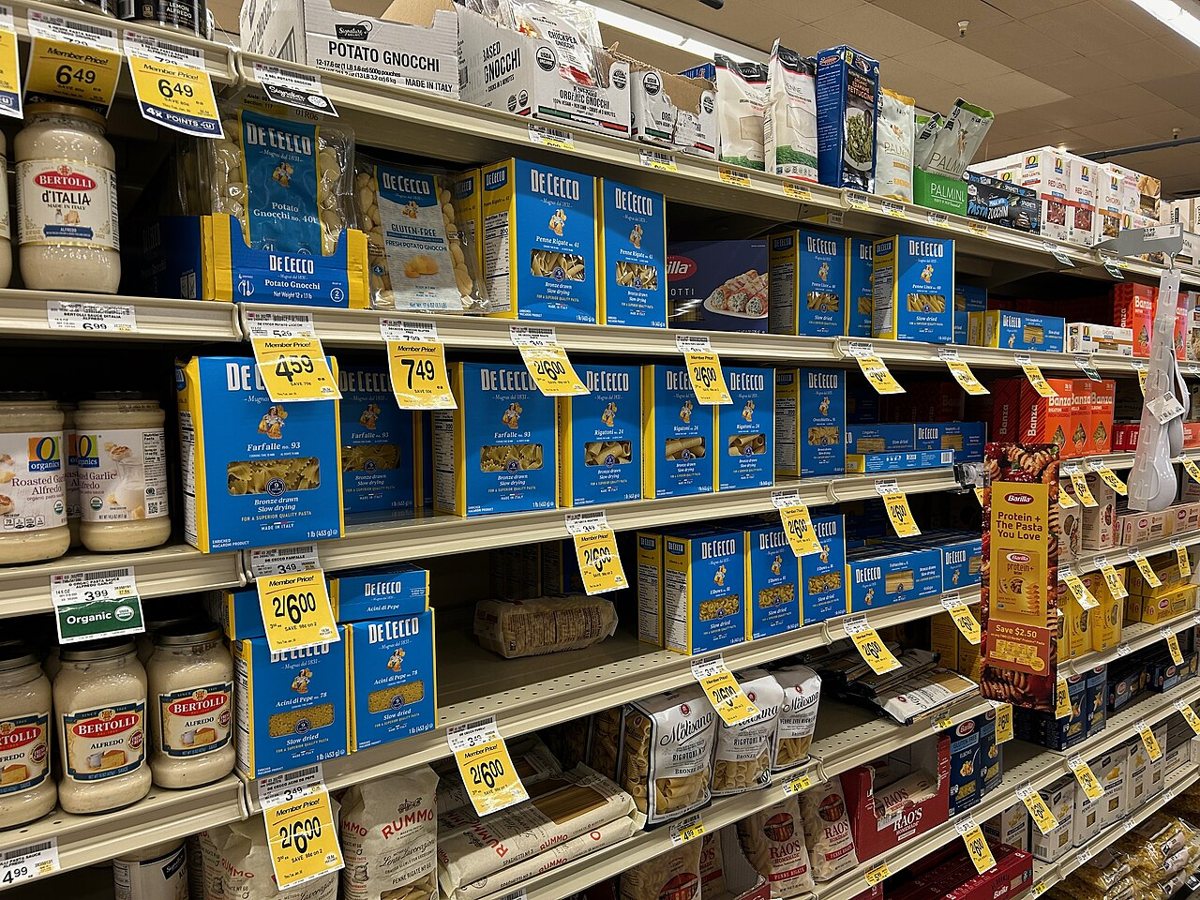
Imagine planning supper with very little to spend and somebody at home who happily eats only two or three dishes. A box of food can help, and being able to choose ingredients lets you plan something you know everyone will eat. In a solidarity shop the groceries sit on shelves. You can see what is available and decide how to use the points on your card. The options depend on what is in stock. Sometimes the choice is as simple as picking a food you already know how to cook.
The points are a way of running the service. A personal card is assigned as part of a support arrangement and lets you choose within the number of points available to you. To find out when you can use it, how long it lasts and what you might find, ask the person or service working with you. A time limit or product list you have seen for another municipality may be different from the arrangements in your area. Even within one city, locations, stock and appointments can vary.
Where to start when groceries are hard to afford
Look for your neighbourhood listening centre or your district’s social services. The Barona shop, for example, serves families referred by local listening centres and local or District 6 services. In Lambrate, the route also starts with services working with local families. In your first conversation, ask which office or centre covers your address. That is more useful than walking to whichever shop looks closest on the map and finding that it serves a different area.
A simple opening line can help. “I’m struggling to pay for groceries at the moment. Who can I speak to about food support?” If you are offered an appointment, ask where to go, whether you need to book and which documents to bring. If time is tight or you work shifts, ask how to arrange a time that fits. Write down the name of the contact and what happens next. When money is already short, avoiding a couple of wasted journeys makes a difference too.
Say so plainly if you need food that day. The person who answers can explain what other food support is available locally and how to reach it. If you would feel more comfortable with company, ask somebody you trust to go with you. Keep personal documents off public group chats and check a contact before sending anything. Ask the service how to provide any information it needs. You can make that first enquiry with just the name of your neighbourhood and a question about whom to speak to.
When the groceries need to fit your household
Mention any particular dietary needs when you speak to the service. You can explain that you need help finding food for a specific diet, have difficulty carrying heavy bags or live somewhere with limited cooking facilities. If you are given a card, check your cupboards before you visit. That helps you spend points on what will complete a meal. A list of three or four things leaves space for whatever you find on the shelves when you get there.
If time to cook is short for a while, start with dishes you already know how to make. When arranging a visit, ask how appointments work and whom to call if you have to move one. Save the contact name alongside the date. At home, you can share the practical details you need, such as when you will be able to shop and who can go with you. Each household gets to decide how much of its situation it wants to tell other people.
If you want to give something, ask first
Before filling a box, ask the shop what it needs, when it can receive the goods and what condition the packaging should be in. If you are organising a collection with friends, your parish or colleagues, pass the reply on with the agreed shopping list, the drop-off point and the final date. A short, targeted collection can be easier for people receiving the goods to handle. Include a contact for anyone who needs to bring a box outside the agreed time.
Think about transport too. Keep the groceries somewhere dry and check that the boxes can carry the weight. Put the people collecting the goods in touch with the people receiving them before they set off. If you would rather give money, find current instructions on the organisation’s website. If you have time to offer, ask the network where volunteers are needed and how often. Say which parts of the city you can reach and whether you are looking for regular or occasional work. A specific offer is easier to match with a real need.
Help can start with one address
If somebody asks you where to begin, pass on a contact you have checked and offer something specific, such as finding the right address or coming along to an appointment. Let the person decide what to tell and to whom. In a group chat you can share the public shop directory or the details of an agreed collection. Personal information about a household can stay with those helping them directly.
It can feel awkward to ask for help for the first time. Begin by naming the neighbourhood and asking which service handles access. You can talk through the rest of your situation with the person responsible. If you want to be on the other side of the shelves, ask what would help this week and choose a task you can actually keep doing. There may be a good fit in one afternoon, especially when somebody already knows exactly where you can lend a hand.
Keep the contact details handy when you confirm.
SOURCES AND FURTHER READING
Did this story touch your heart?
Share this story