What to feed birds on your balcony in winter
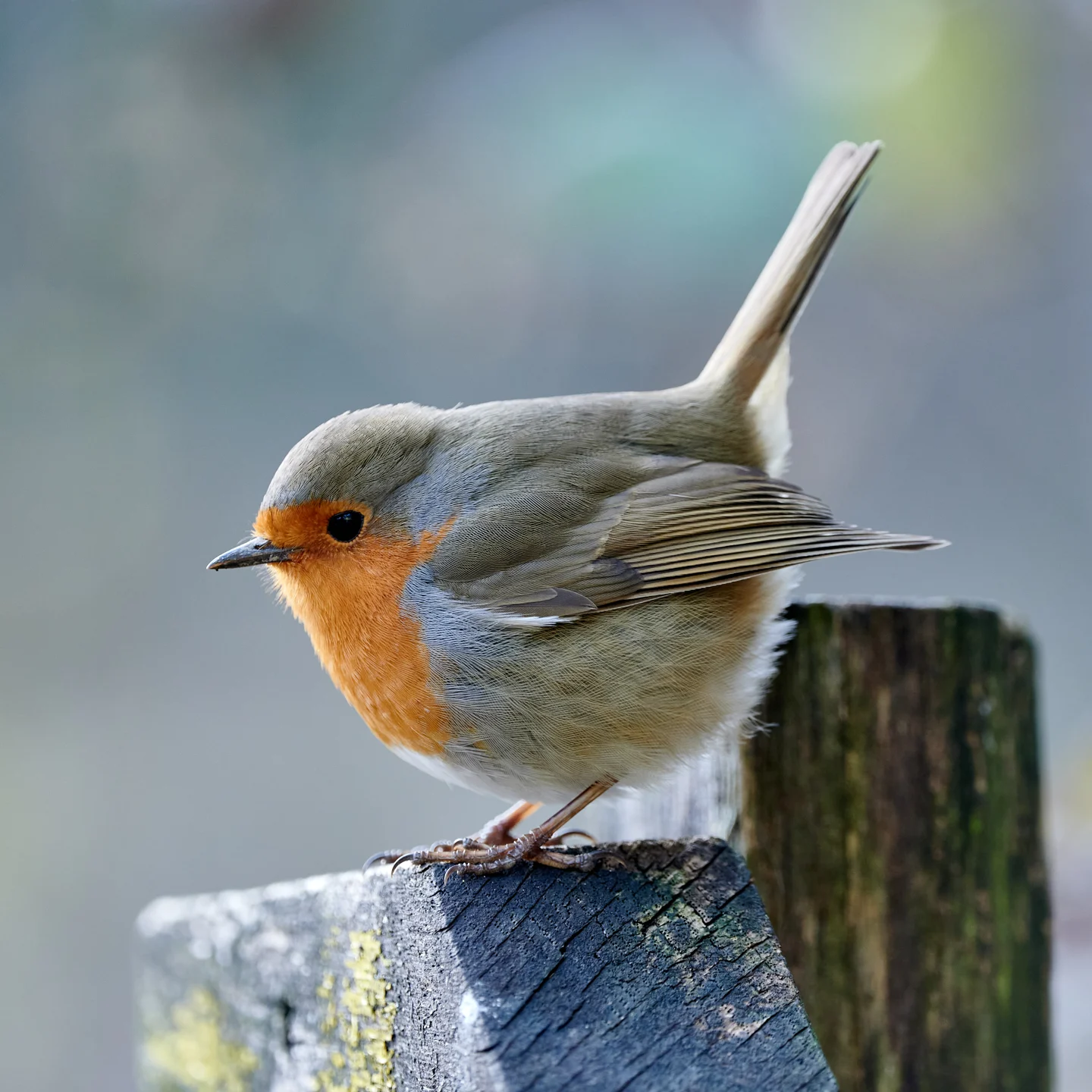
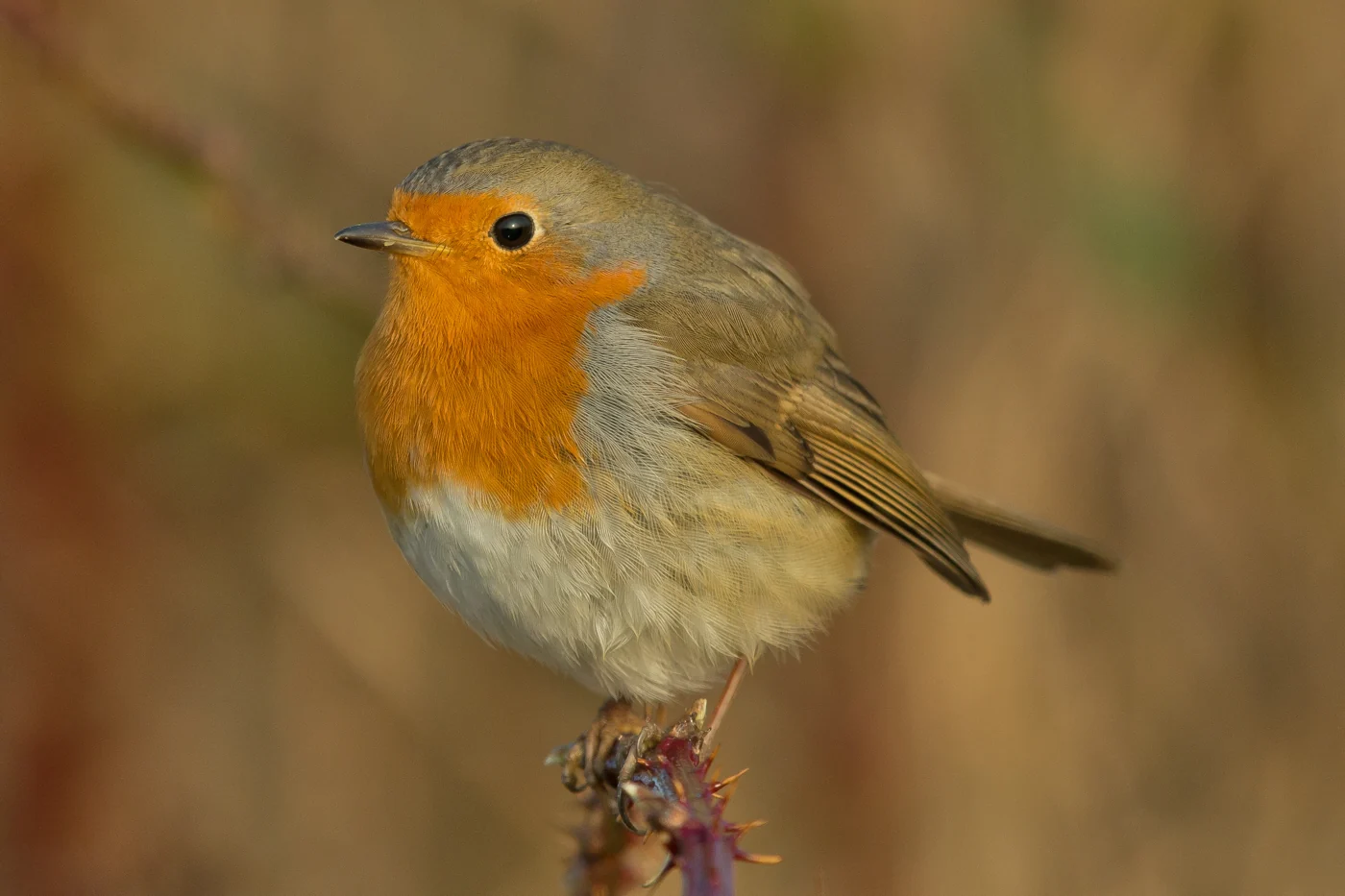
A robin on the railing, a great tit that drops by and darts away. The right food, fresh water and a clean feeder can help them through winter. Start with something better suited to birds than breakfast crumbs.
A bird lands on the railing while you’re having coffee. You look at it, it tilts its head, and suddenly you want to offer it something. In winter you can help wild birds with suitable seed mixes, sunflower seeds and other foods chosen for the species you see. Skip salty foods and seasoned leftovers, and keep bread off the regular menu. Before you decide what to serve, ask yourself whether you can keep the feeding spot clean and safe.
A feeder takes regular attention as well as the kind impulse you feel on a cold morning. Wet food spoils, scraps build up and birds gathering in one place can pass on disease. The good news is that you don’t need to turn the balcony into a feed shop. Start small, watch what happens and look after the feeder regularly.
Start with food made for wild birds
For small seed-eaters such as sparrows, a wild bird mix can offer several kinds of seed. Various tits enjoy sunflower seeds too, and sunflower hearts leave fewer shells to sweep up. Buy packets in good condition, store the contents somewhere dry and reseal the pack after use. Seeds for birds are a different thing from the salty snacks we buy for ourselves.
In winter even species that mainly eat insects may broaden their diet to include seeds, fruit and berries. Birds still eat different things in different ways. See who turns up and ask your local bird conservation group which foods suit them. Advice for the species actually visiting your balcony is more useful than a big mix put together on a hunch.
Tits and robins have different tastes
Tits may visit hanging feeders designed for seeds or suitable fat-based bird food. Birds that eat insects can also have specialised foods, including dried insects sold for wild birds. Follow the directions on the packet and the guidance of local bird conservation organisations. Start with one option or two. Putting out heaps of food won’t automatically make the balcony more welcoming.
Some species enjoy fruit such as small pieces of apple or pear, but it spoils and needs replacing promptly. Think about where and how you offer it. A surface that stays dirty or collects water causes problems. Choose a feeder for the birds you want to help and the cleaning you can realistically do. You can think about how it looks after that.
Find another use for leftover bread
Bread makes a poor staple for birds. An occasional crumb isn’t necessarily an emergency, but filling the windowsill with bread every day takes the place of better foods. Leave out bread, salty food and anything spicy. Skip milk and leftover dishes with lots of seasoning, too.
If you offer peanuts, choose unsalted ones sold as bird food. Put them in a suitable feeder that lets birds take small pieces. Sunflower seeds are a simpler place to start if you’d rather wait on foods that need extra care. Use a safe holder for fat-based bird food and remove any mesh bags that could trap feet or other parts of a bird’s body.
A pretty feeder needs to be easy to wash
Choose a stable feeder that comes apart and is easy to clean. Avoid sharp edges, wires and openings that could trap a bird. Keep the food as sheltered from rain as possible and clear out anything that collects in a damp base. Avoid feeding tables and other flat feeding surfaces, where disease can spread more easily. A lovely photo of a homemade feeder doesn’t tell you how well it works.
Location matters too. Look for a spot where birds can get away quickly and won’t be exposed to cats lying in wait. Check how close it is to glass. If your balcony has large windows or awkward flight paths, ask Lipu for advice. If you live with a cat, keep the feeder out of their reach. Watching the visitors through the window is already quite a show.
Cleaning is part of caring for the birds
Check what’s in the feeder every day. Remove wet, dirty or mouldy food instead of topping it up, and clear any debris beneath it. Give the feeder a thorough clean at least once a week. Take it apart, wash and disinfect it with suitable products, then rinse and dry it completely before refilling. Always follow the product instructions.
Keep the tools for this job separate from your kitchen equipment. Clean the feeder outside, wear gloves and wash your hands and forearms well afterwards. If it’s hard to keep the feeding spot tidy, simplify the setup and ask for advice. One feeder you can look after properly is better than three you can’t keep up with.
Make time for fresh water, too
When natural water is frozen or hard to reach, a shallow, accessible container can help. It should let birds approach without risking a fall into deep water. Replace the water daily, wash the container regularly and disinfect it as needed. Never add salt, alcohol or antifreeze to stop it freezing. They can harm birds.
Before putting out bowls, find out whether there’s already a safe, accessible water source nearby. Help where it’s needed and avoid adding extra places where birds congregate. If the container dirties quickly, think again about where you put it. If you can’t keep it clean, take it away before the water becomes contaminated.
If a bird looks ill
A bird that’s unusually still, has trouble moving or is acting strangely may need more than a meal. Contact a wildlife rehabilitation centre for advice. If sick birds are visiting the feeding spot, stop putting out food, clean the feeders thoroughly and put them away. Follow current local guidance on when to start feeding again.
This is an important exception to keeping up your winter feeding routine. Containing a possible infection comes first. Don’t force food or water into a bird’s beak or put a wild bird in a pet’s cage. Tell the person advising you where and when you saw it and what you noticed. A photo from a distance can help if you can take it without chasing the bird.
A living balcony offers more than a meal
You can also help by keeping suitable plants and shelter, avoiding pesticides and getting to know what already grows around you. Spend some time observing the species, their habits and how they use their surroundings. A feeder adds to the resources they already have. Trees, hedges and safe places are still essential. Care goes beyond the next bag of seed.
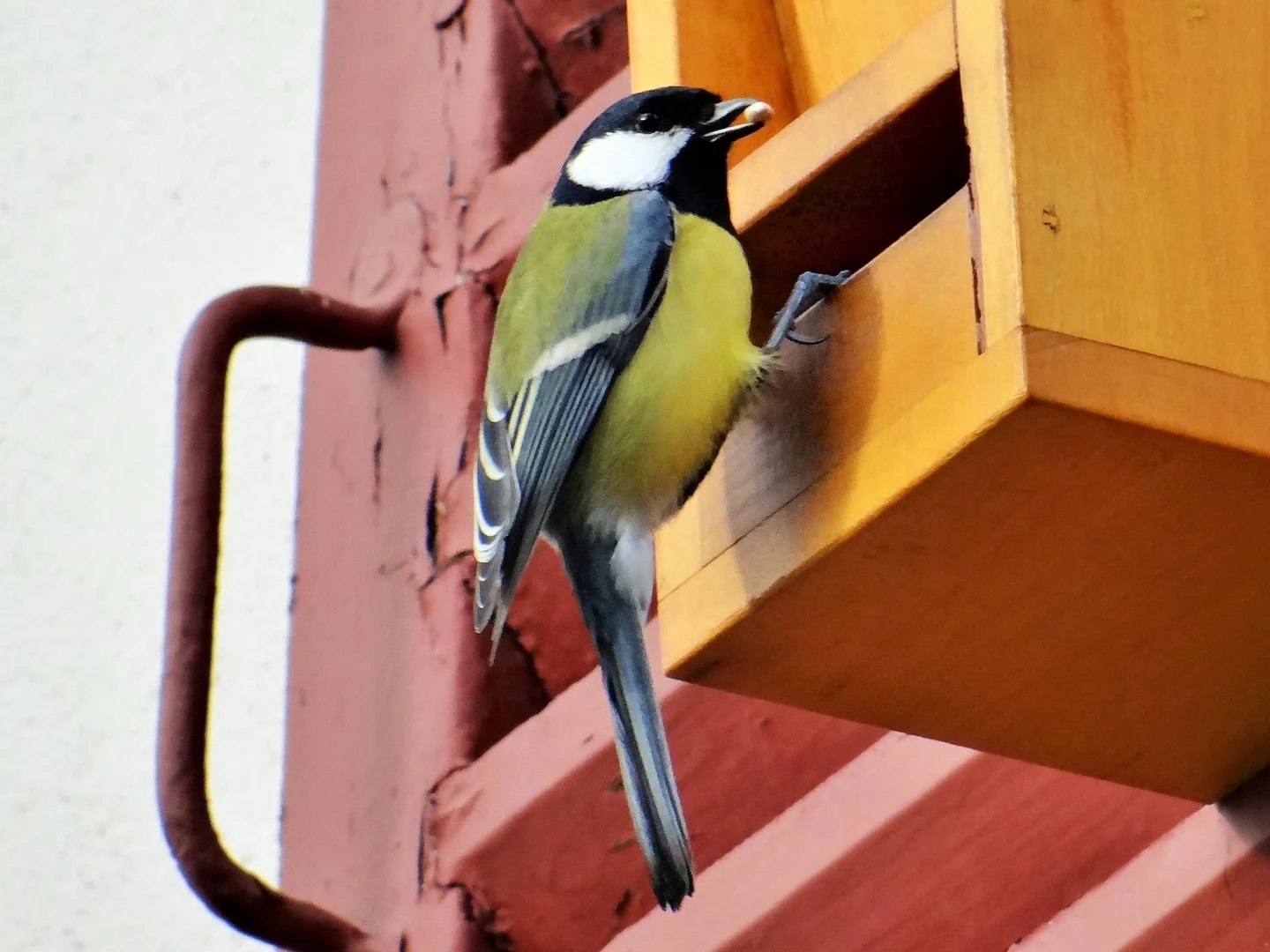
Keep a little diary. Who arrives, when, what do they eat and how does the weather change? There’s nothing to win by counting the most visitors. You might wait for days and then finally recognise that yellow-bellied great tit. Your balcony becomes a place to watch and an opportunity to care gently: offer what’s needed, give the birds room and remember those wings are still free.
SOURCES AND FURTHER READING
Did this story touch your heart?
Share this story