How to tell a robin, a sparrow and a great tit apart
One has an orange bib. Another wears a little black tie. Sparrows take a closer look. Here’s what to look for around balconies, hedges and gardens.
Jump to what you need
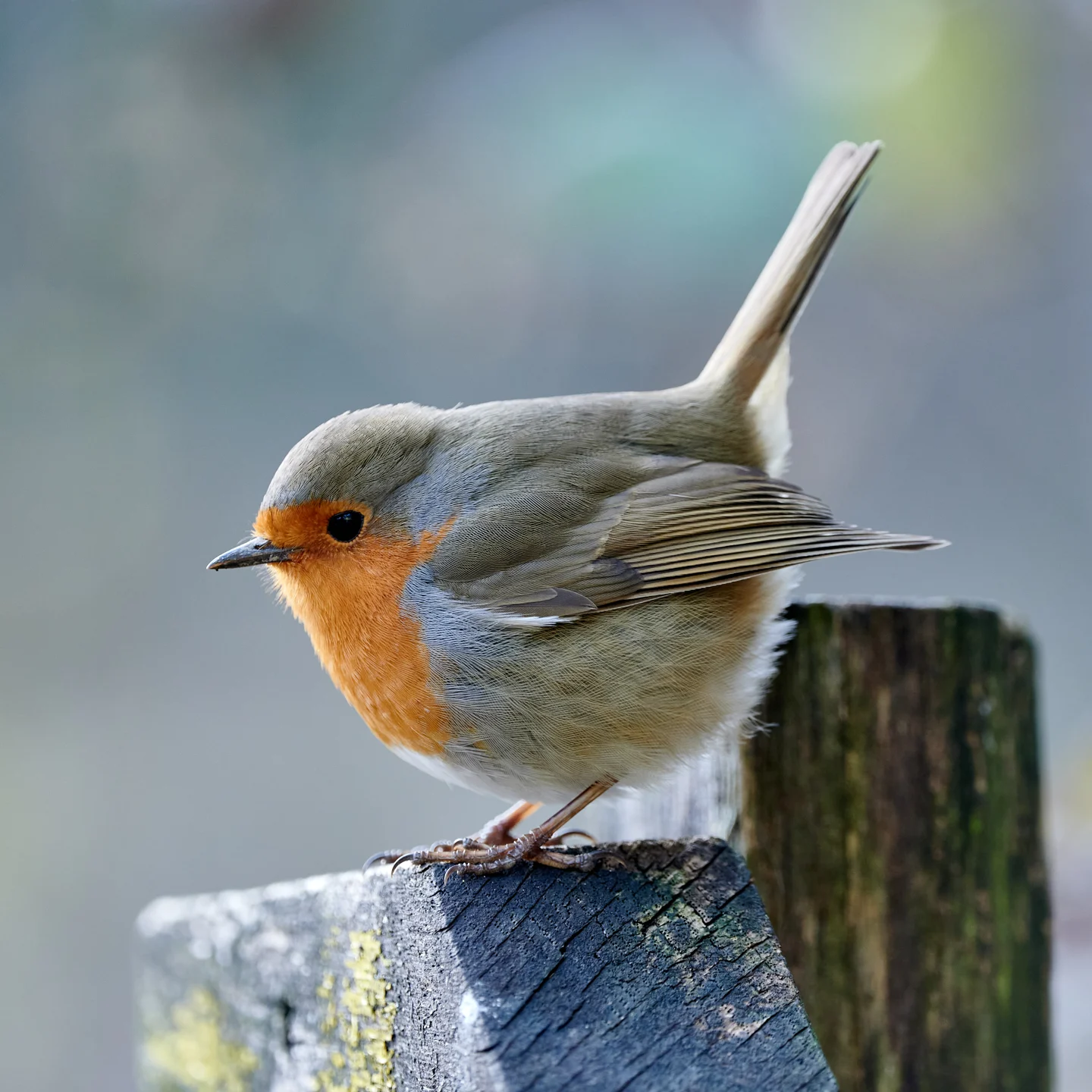
- The robin’s orange breast reaches right up to its face
- A round little robin isn’t necessarily a fluffy youngster
- The great tit wears yellow, white and a little black tie
- Great tit or blue tit? Look at the cap
- ‘Sparrow’ is a familiar name with several possibilities
- The little cheek spot is a valuable clue
- Four things to note before it flies away
- Light can change what you see
You see it for three seconds before it disappears behind a leaf. Was it a sparrow? A great tit? The one that turns up every morning? Start with three clues. An adult European robin has an orange face and breast. A great tit has a black head, white cheeks and a yellow belly with a dark stripe. Sparrows are browner, with short, sturdy bills. Then consider what the bird was doing and where you saw it.
You don’t need to remember everything on your first outing. Binoculars help, but you can start from your window or on a walk in the park. Give yourself a moment before settling on a name. The photos in this guide show the species discussed, so compare the details as well as the overall impression. A small brown bird could be any number of things.
The robin’s orange breast reaches right up to its face
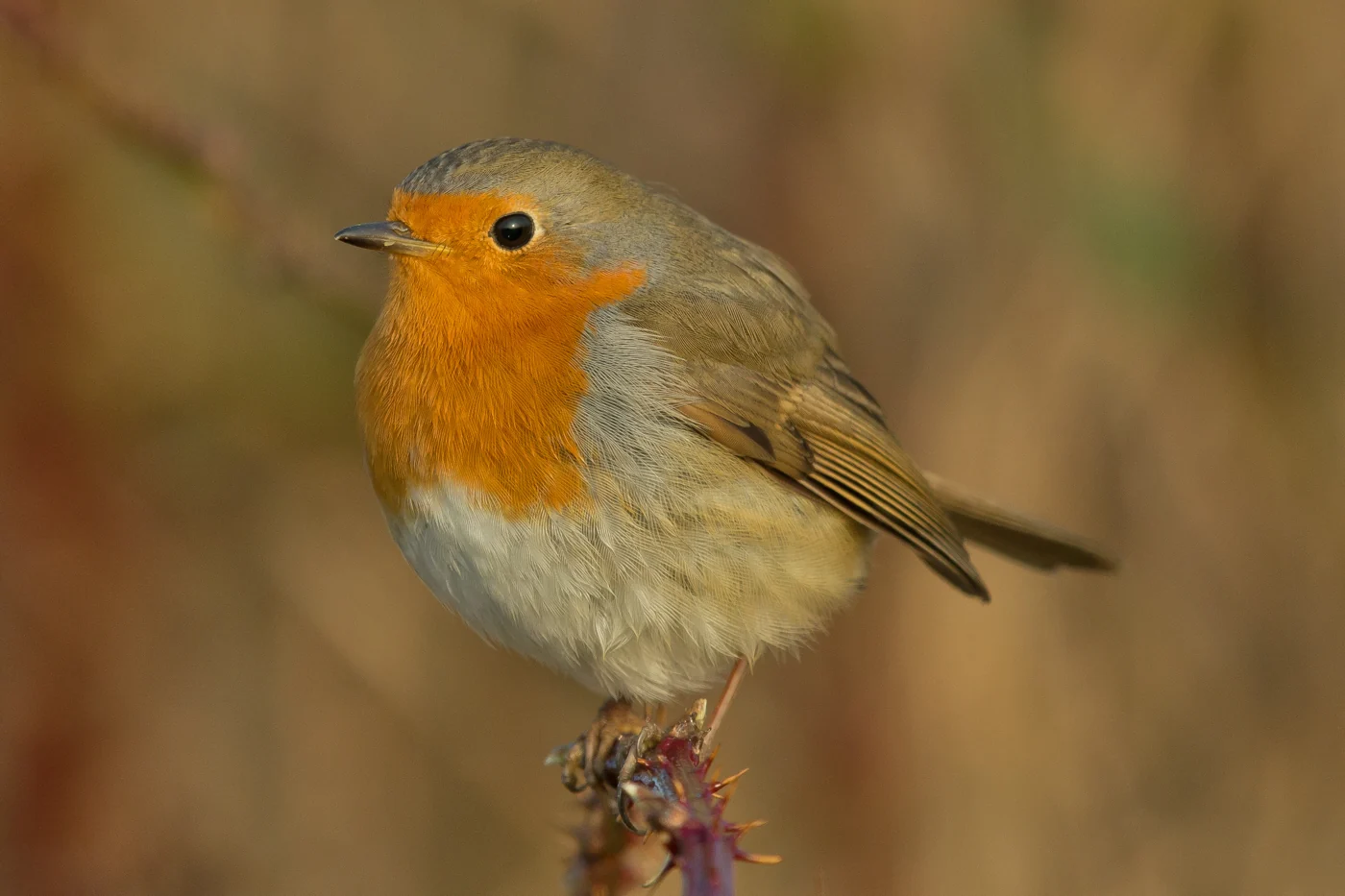
The European robin, Erithacus rubecula, wears its most recognisable feature up front. The rusty orange covers its throat and upper breast and extends around its face. Its back is olive-brown, and its lower underside looks pale. Don’t expect a highlighter-bright red. Light, distance and angle all affect what you see. Look at where the patch starts and ends.
Males and females look very much alike, so an orange breast won’t tell you it’s a male. Young robins have mottled plumage and lack the adult’s solid orange bib. This is where relying on a single colour can trip you up. If a bird doesn’t match the picture exactly, consider age and season before changing your identification.
A round little robin isn’t necessarily a fluffy youngster
A round silhouette alone won’t tell you a bird’s age or sex. Look at its proportions, bill, tail and markings instead. The robin has a slender bill suited to a diet that includes small invertebrates. Look for it in undergrowth, along paths and in vegetable plots and gardens. If you only watch the treetops, you’ll miss part of the show.
Does it look like the same one every time? It might be, though you can only be sure if you can identify that individual. Italy has breeding, migrating and wintering robins. Cold weather can change which ones turn up in your garden. Note when you see it and where it perches so you can describe what you saw without turning a fond hunch into a certainty.
The great tit wears yellow, white and a little black tie
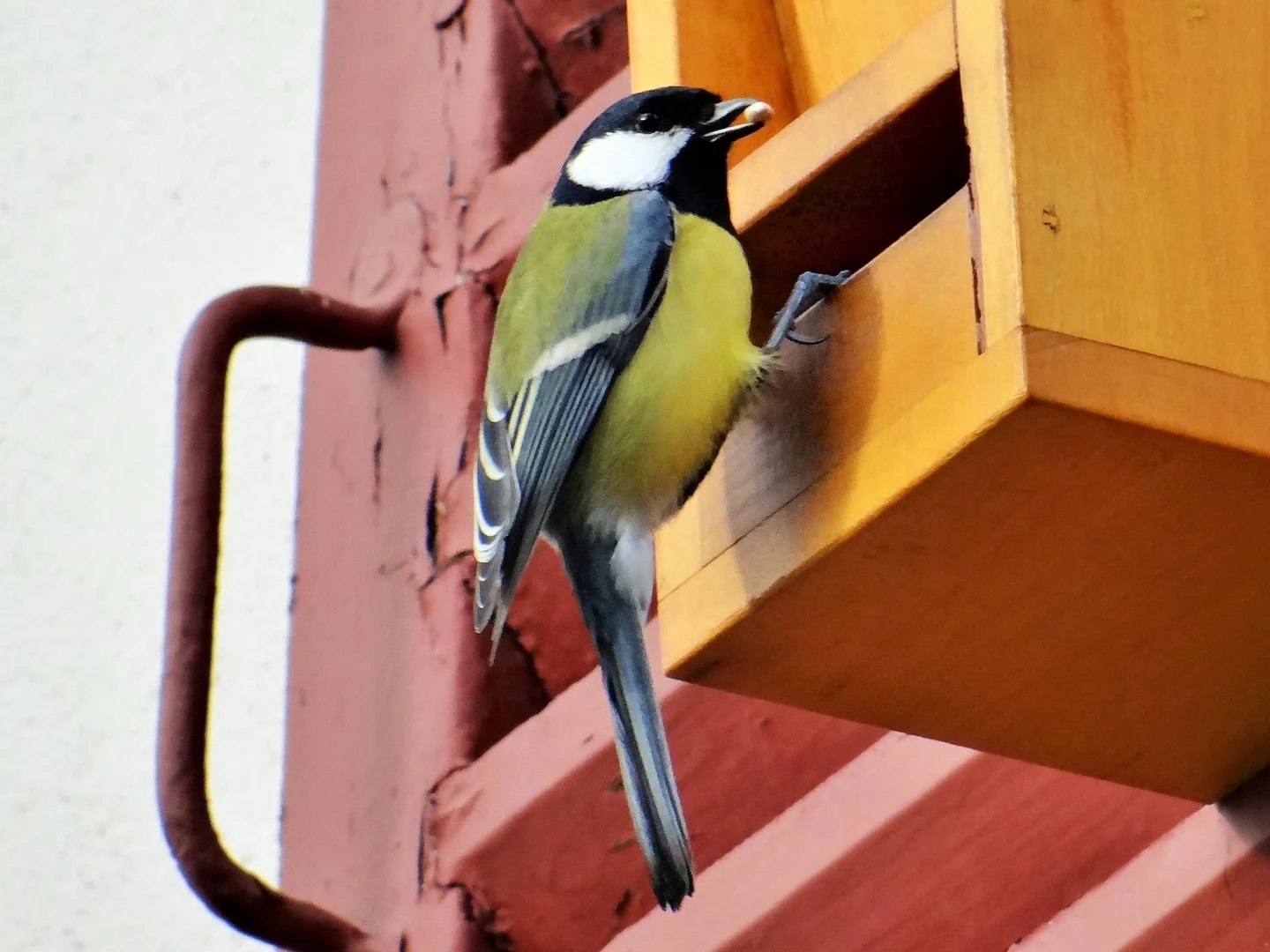
The great tit, Parus major, has an easy-to-read colour pattern when you get a good view: a dark head, broad white cheeks, a greenish back and a yellow belly. A black line runs down the front like a tie. Look for that line and the black-and-white contrast on the head. Other species have yellow plumage too.
The width of the stripe can help tell adult males and females apart, but start by identifying the species. A sideways pose, a feather out of place or a blurry photo can hide the very detail you’re trying to judge. Once you recognise the whole pattern, use clear photos and reliable guides to look more closely.
Great tit or blue tit? Look at the cap
The names are similar and the birds can visit the same places. The blue tit, Cyanistes caeruleus, has noticeable blue on its head, wings and tail and is smaller and more compact. The great tit has a black cap and a bold stripe down its belly. Comparing those two features tells you much more than saying ‘it was yellow’.
In winter, different species of tit can move around together. A small flock may include more than one kind. Follow one bird at a time if you can, and take in the details before moving to the next. A little patience changes the experience. What looked like a blur in motion starts to reveal different colours, markings and habits.
‘Sparrow’ is a familiar name with several possibilities
In Italy, the word passero can mean several species. The Italian sparrow, Passer italiae, is the one many people meet in towns and cities on the peninsula. House sparrows and Eurasian tree sparrows also occur, among others. A British photo of a house sparrow may show a different species from the one you’re looking at in Milan, Rome or elsewhere in Italy.
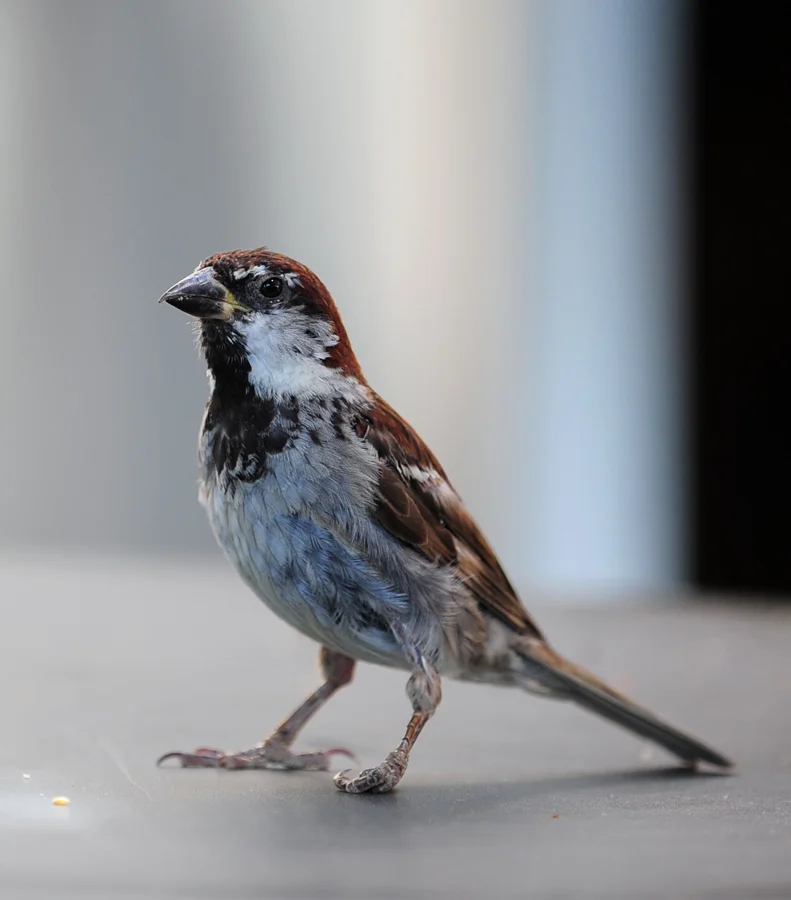
On a male Italian sparrow, look for a chestnut crown, pale cheeks and black below the bill. The body has brown tones and streaks with pale underparts. The female has less contrast and lacks the male’s black bib. Both have a short, sturdy bill, a good starting point when comparing them with the robin’s slender one.
The little cheek spot is a valuable clue
The Eurasian tree sparrow has a dark spot on each pale cheek. That’s a useful way to tell it from the Italian sparrow, which lacks that spot. The male house sparrow has a grey crown alongside chestnut patches. All these comparisons need a good view. A shadow can look like a marking, and one leaf can hide half a head.
If you can’t decide, record ‘unidentified sparrow’ and take another look next time. That’s an accurate choice. Did you see several? Were they gathered in a hedge or moving around on their own? Social behaviour can help you narrow it down, but you still need the visual clues. Where you are matters when comparing species, too.
Four things to note before it flies away
Write down the approximate size, head colours, pattern on the breast and bill shape. Add the place and date. ‘Black head, white cheeks, yellow breast with a black stripe’ gives you something to work with even if the photo doesn’t come out. ‘Tiny and cute’ captures exactly how you felt, but it won’t help you find the bird in your guide when you get home.
If you’re using your phone, try taking a photo from where you are instead of edging closer. An unremarkable shot may be enough to confirm a marking. Avoid chasing birds or seeking out a nest for the picture. If you want to hear the songs, listen to recordings from identification guides separately, without playing calls to draw birds towards you.
Light can change what you see
Backlighting, dirty glass and distance can wash out contrasts. Before deciding you’ve spotted something rare, ask yourself how clearly you could see it. A guide photograph gives you a clear view. Your visitor may be half-hidden, wet or facing the other way. Look for more than one feature and give yourself permission to leave the name for another day.
Go back to the same spot on different days with three words in mind: orange, tie, bill. They’re starting points for an adult robin, a great tit and the sparrows, to fill in with the other clues. The joy is in realising that the neighbourhood you walk through every day is full of neighbours you’re finally starting to recognise.
SOURCES AND FURTHER READING
Did this story touch your heart?
Share this story