Menstrual cycles and Oura: what a new pilot study says about sleep and recovery
You open an app and see a number you did not expect. A small Oova–ŌURA study explores hormonal context, with important limitations: six participants cannot represent everybody’s experience.
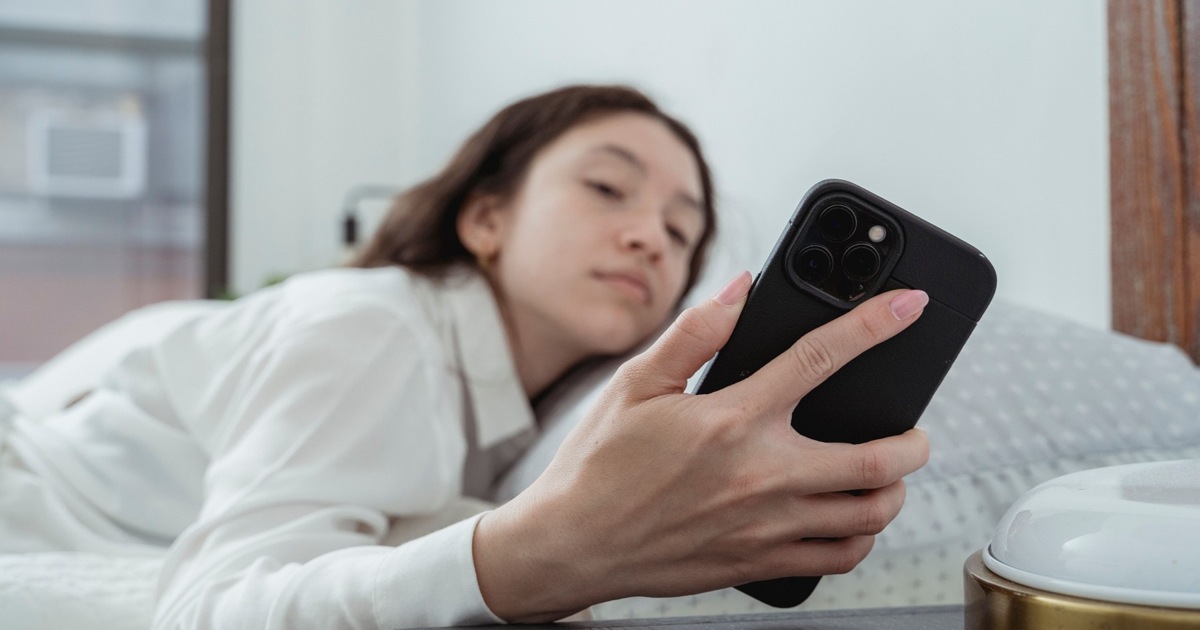
Your alarm goes off, you reach for your phone and a score arrives before you have even asked yourself how you feel. Did you sleep well? Are you ready for the day? Should you recover? Wearables offer an immediate language for looking at our habits. That can be useful. A number can also surprise us, particularly when it seems unlike our own experience. Research into women’s bodies still has many questions to explore, and this announcement belongs in that conversation.
On 28 October 2026, Oova announced a pilot study with ŌURA scientists, presented at ASRM on 27 October. Across six participants and 375 overlapping person-days of data, average Sleep and Readiness scores were lowest around the LH surge. The findings are exploratory and were not tested for statistical significance. Larger studies are needed.
The most important word is pilot
When research touches something we experience personally, it is understandable to look immediately for an explanation: so that is why it happens to me. Here, we need to leave the answer open. Such a small group cannot establish that every woman follows the same pattern. Repeated measurements from the same participants are not equivalent to that many independent people. This distinction is essential when assessing how much weight a result can carry.
The company’s announcement does not establish that one cycle phase requires less exercise, that a particular workout works better on a particular day or that a single routine suits everyone. Those conclusions would require other evidence. The interesting question is how different kinds of information might be interpreted together without expecting one measurement to explain everything. We can follow that question with curiosity while keeping the findings in proportion.
What Readiness actually means
Oura describes its Readiness score as a summary considering signals including recent activity, sleep, resting heart rate, heart rate variability and temperature. It is not a direct hormone measurement. The research combined data from separate tools; it does not announce that a ring can perform hormone tests on its own.
Oura had already updated Readiness in February 2025 to account for the cycle for users who enable Cycle Insights. The Oova–ŌURA study adds exploratory research on that subject. It does not introduce a ring feature that measures hormones.
A question to yourself before opening the number
If you enjoy wearing a tracker, you might leave a little room for your own perception before checking the result. Do you feel rested? Would you like to move? Is anything worrying you? A few words can be enough to record the answer without giving yourself another grade. This is not a method of diagnosis; it is a way to remember that your own experience deserves a place alongside a graph.
If monitoring takes up too much mental space, consider how often you want to consult it. Every morning need not become an analysis, and caring for yourself does not require buying a device. Technology is one option. Using it less, turning off a notification or discussing your experience with a professional can also be a considered choice. Information is most helpful when it supports your life without demanding your constant attention.
Looking at patterns without creating a rule for everyone
Oura’s guide to Trends describes daily, weekly, monthly and yearly views for many metrics. A wider period can help you describe what you have observed instead of building the whole story around a single morning. A personal pattern still needs interpretation: by itself, it does not establish a cause.
If you would like to discuss data at a medical appointment, prepare a specific question and a few clear notes. You might explain that you have noticed certain variations and would like to know whether they matter in your situation. New, persistent or concerning symptoms deserve appropriate healthcare advice; a reassuring score cannot replace a professional assessment. You do not have to learn the algorithm’s job, or the clinician’s, on your own.
Moving thoughtfully without obeying a rigid calendar
Online, it is easy to find charts promising the perfect workout for each menstrual phase. This study does not validate them. If you want to adapt exercise to personal needs, speak with suitably qualified professionals about how you feel and what you would like to do. A sensible programme must leave room for differences, unexpected events and changes, without turning the cycle into a list of prohibitions.
It is good to see more questions being asked about women’s bodies. Larger studies are needed for solid answers. Tomorrow morning, before checking a score, you can take a moment to ask how you feel. That answer deserves attention even when the screen shows a number you did not expect.