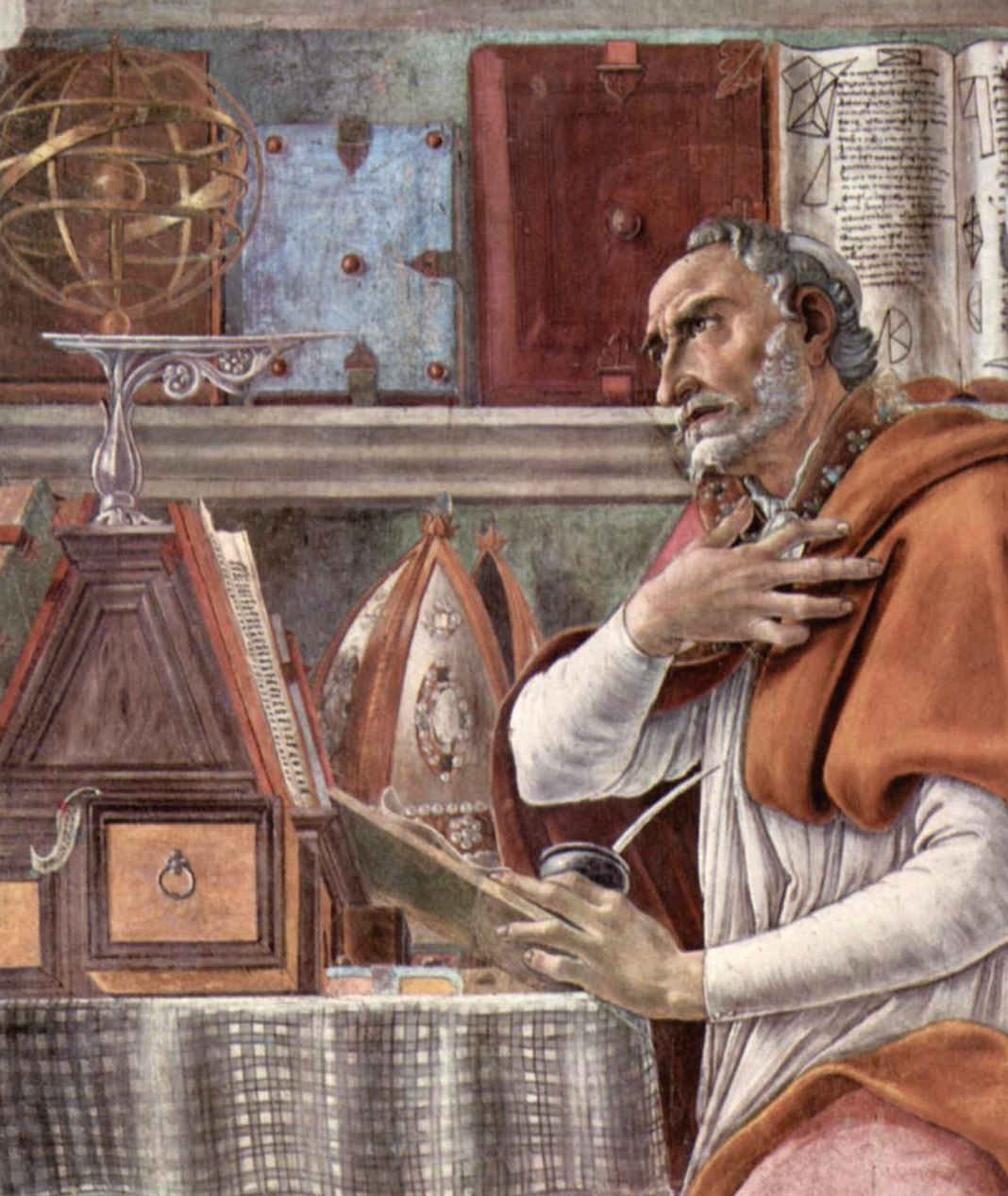
ST BENEDICT: EVEN THE YOUNGEST GET A SAY!
Young brothers to hear, sick people to care for and guests arriving at all hours. Monastery life was anything but empty!
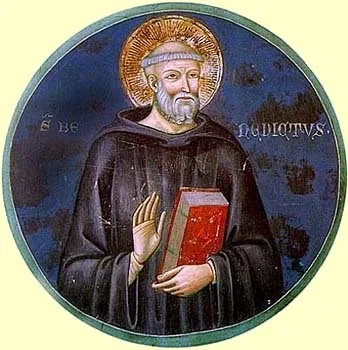
The abbot needs to make an important decision. First he gathers all the brothers, because the youngest may have something to contribute. Modern leadership advice? It’s in Benedict’s Rule, and fifteen centuries later it still surprises us.
The boy from Norcia
Born around 480, Benedict is known chiefly through Gregory the Great’s Dialogues, written decades later: a religious account including miracles. Tradition describes him leaving his studies in Rome, passing through Affile and withdrawing near Subiaco. His move to Montecassino is placed in 529.
Who cares for someone who is ill?
The Rule organises prayer, reading, work, meals and rest. Chapter 36 reaches the infirmary: it requires someone responsible, a suitable room and attention to individual needs. Shared routines may be adapted. This is organised care: someone must be there, and the abbot remains accountable.
Chapter 53 considers guests, especially poor people and pilgrims, arriving at any hour. Beds, a kitchen and people ready to welcome them are needed, with extra help when work increases. A great ideal depends on small preparations.
Listen first, decide afterwards
Listening doesn’t remove the abbot’s responsibility to decide. It shapes how he does so. In 2008 Benedict XVI emphasised this and the duty to exercise authority without domination.
“Ora et labora” summarises a tradition, but the Rule reveals a real community facing disagreements, frailty and unexpected visitors. Far more interesting than three memorised words!
Paul VI named Benedict patron of Europe in 1964; his memorial is 11 July. Start with the chapters on listening, sick people and guests. Behind the rules you’ll meet people.