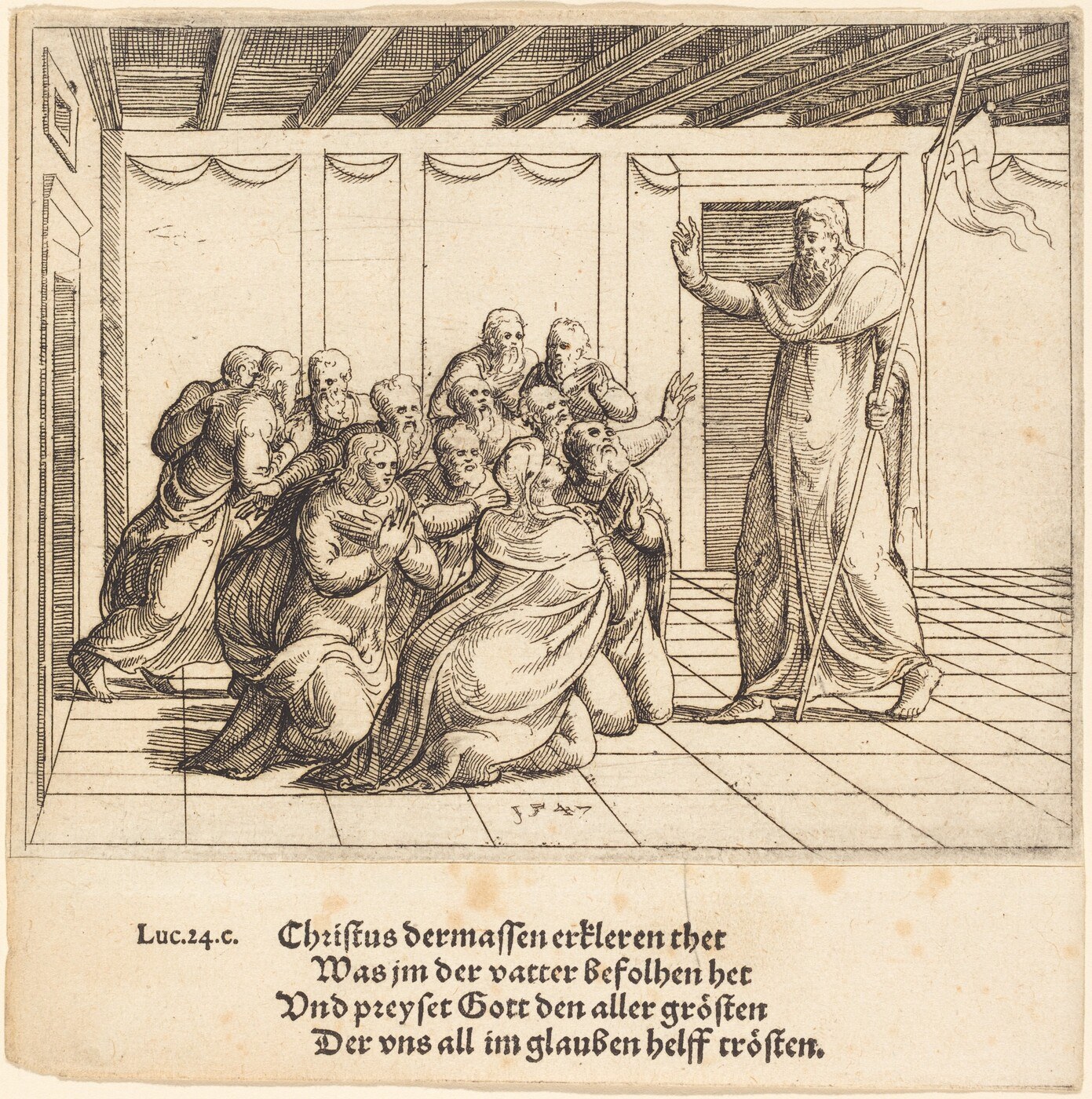
BARTIMAEUS RAISES HIS VOICE. JESUS STOPS.
Someone's telling him to shut up. He keeps calling. In Mark's Gospel, Jesus interrupts the journey and leaves room for Bartimeo's voice.

You prepared what you wanted to say. Maybe you've been thinking about it all the way. Then you start talking and there's an answer before you're finished: they explain how you should feel, they scale the problem, they change the subject. Stay there with half a sentence in your mouth and feel like you've taken too much space.
In Mark's Gospel there is a man who is asked precisely this: to make less noise. His name is Bartimeo, he's blind and begging along the way. When he hears that Jesus passes, he calls him. Many reproach him for shutting up. He insists. Jesus stops.
The story is in Mark 10,46–52. It is a page of healing and faith, which we can reread today by dwelling on that moment: the path is interrupted and a voice until then rejected is heard. How much can a scene change when someone stops in a hurry?
The need comes with the voice of those who live it
Jesus calls Bartimeo. The man throws away his cloak, gets up and approaches. Then comes a question: "What do you want me to do for you?" It's addressed to him. His desire is not entrusted to the crowd, to the observer or to those who think they already know everything.
Bartimeo asks to see again. At the end of the song he regains his sight and follows Jesus along the road. The Gospel holds together its trust, healing and the path that goes on. In the Christian reading we encounter the saving action of Christ; from this page there is also a question about how we approach people.
When someone tells us a problem, do we give them time to say what they are looking for? A advice, a presence, a practical help? The need may seem obvious to us, but our first impression does not contain all of his experience.
Answers coming too soon
It can happen with the best intentions. A friend names a struggle at work and we immediately propose to change company. A loved one says he's lonely and we list all the things he could do. We are looking for a solution because we would like to see her feel better, or because being in front of her discomfort makes us uncomfortable.
A simple question can change the tone: do you want me to listen to you or do you want to reason together on a concrete step? It's not a formula that solves everything. However, it helps to recognize that the conversation has two people and that one of them is trying to deliver something delicate.
There are also times when we cannot be there right away. We can say that clearly and propose a real time instead of pretending to be careful while we look elsewhere. If we promise a call, recall becomes part of the listening: it gives consistency to the words with which we accepted the request.
When that voice is yours
Maybe you recognize yourself more easily than anyone who tries to talk. You seem to have to wait for everyone to be finished, for everyone else's urgency to be resolved, for your problem to become quite serious. So you'll also send back a possible request: I need half an hour, you can accompany me, this thing hurt me.
Bartimeo does not give us the obligation to shout to deserve attention. But his story can keep us company when we fear that expressing a need is already a disturbance. You can look for your own words, even brief ones. You can write to her if it's hard to tell her out loud. You can choose a person who can listen to them.
This does not mean that those you love can always say yes. Others have limits, commitments and possibilities other than ours. To be heard understands the possibility of receiving an honest and respectful answer, of understanding together what can be done and where to seek more help.
Faith is not a race for healing
Such a bright page requires delicacy toward those who live with an illness or disability. Bartimaeus' healing does not allow us to measure a person's faith from the outcome of his prayers. We cannot promise that, insisting enough, all suffering will disappear.
Not even blindness should be used as a moral label to describe people unable to understand. Bartimaeus is a man who listens, decides, desires and acts. Respecting the story means recognizing its voice without reducing it to a convenient symbol for a lesson about others.
We can pray for a healing and, at the same time, offer closeness, accessibility, care and respect. The presence must not wait for an extraordinary solution to begin. Even the Christian community may wonder what obstacles make it difficult for someone to participate and speak.
Stop, this time really
That gesture of Jesus remains in the noise of the road. We can reread it before a phone call, a family dinner, a meeting where we already know that we will be tempted to anticipate any response. Perhaps the first thing to change will be our haste.
And if today you are looking for listening, you can also bring an incomplete phrase in prayer. You don't need to make it elegant. Bartimaeus had a wish to entrust and expressed it. The Gospel leaves us beside him, before a Jesus who stops and asks him a question.