THE BLUSH IS THERE. IT JUST KNOWS HOW TO KEEP A SECRET!
Mauve, dusty pink and soft browns: anti-blush lets colour speak quietly. How to try it without retiring a blush you love.
Do you know that feeling when you like your makeup but want it to announce itself a little less? The blush is there and your cheeks have colour, yet today you fancy another effect. No beauty-bag drama: bright blush has done nothing wrong. You can simply try a different intensity. That is the territory of anti-blush, a mischievous name for a quieter idea: muted colour and soft edges.
A misleading name: the colour stays
Mauve, dusty pink, beige and terracotta: anti-blush plays with quieter shades. The colour stays, blended down to a hint. And the fuchsia cheeks? Still in your makeup bag for the day you fancy them again.
Look at what you own first
Compare your usual products in daylight. Which looks softer? Which becomes intense at the lightest touch? For a first attempt, choose one you already know how to blend. A small amount can help you decide whether the effect interests you before ordering anything. Less bright pink will not necessarily become beige; it can nevertheless tell you which intensity you enjoy.
Begin with a little
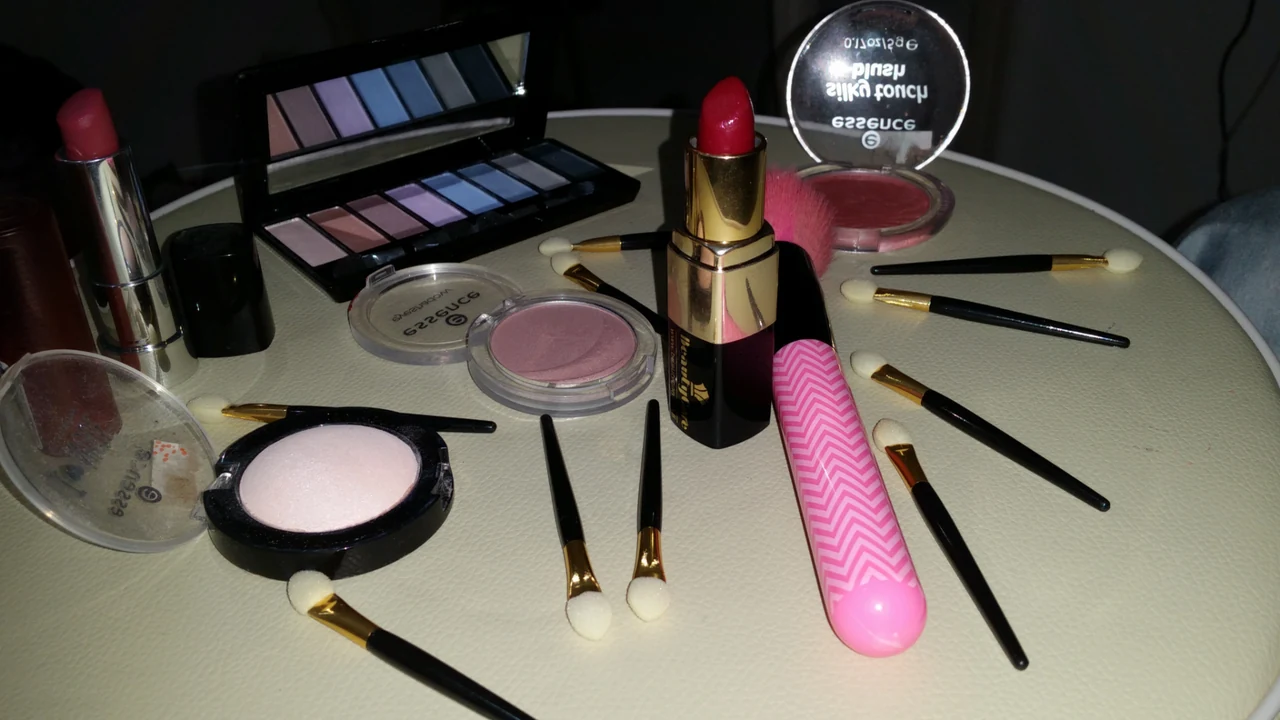
Pick up a small amount using the applicator or a clean tool suitable for the formula. Tap off excess powder before applying. With a cream, build a small quantity gradually and follow the directions. Start on one part of the cheek and extend the blend gently. Compare with the other side regularly. You are looking for an overall effect you like, not matching patches measured with a ruler.
The edge matters too
Look beyond the most colourful point. How does the colour meet the surrounding skin? A clean brush can soften an unwanted boundary. Pause before adding more: it is easy to accumulate colour while attempting to correct it. If an experiment does not please you, remove it and begin again. That is not failure; it is what experimenting is for.
Mauve or terracotta? Let your face answer
Do not choose a shade solely because a trend mentions its name. A colour in its packaging can look different on your cheeks. Consider it beside your neck, hair and intended outfit. If the effect feels too grey, orange or simply unlike how you enjoy seeing yourself, try something else. Categories describe a colour; they need not decide for you. A photograph without filters can help comparison without becoming a scorecard.
A closer look at mauve
One example is Armani’s Dolci Blush Mauve: the brand describes a cream-to-powder texture in a five-shade range. To try a softer effect, first look through the colours you already own. The images here show the product and the range’s textures.
What about the rest of your makeup?
Our suggestion is a small experiment: keep eyes and lips as you normally enjoy them and change only your cheeks. That makes the difference easier to understand. Later, try a quieter eyeshadow or another highlight. You do not need to make everything beige to match an English label. You are exploring an effect, not putting on a uniform. Tomorrow you can change your mind without replacing the whole makeup bag.
Check before going out
Step back and look at your whole face with a normal expression. Change the lighting if possible. If the colour disappears and you want more, add a little. If you like it, close the product. There is no minimum quantity that qualifies as following a trend. The result can be barely there or more noticeable; what matters is that you chose it.
One experiment at a time is enough
If comparing results on different days, note the product used and how easy it felt to apply. Two lines are enough. Do you prefer its colour or the way it blends? Do you enjoy an immediate effect or gradual build-up? Those answers describe your habits better than a quickly saved photograph. Take inspiration from a tutorial, then stop sooner, change your brush or choose another shade. Makeup remains a personal gesture even when the starting idea comes from a screen.
A secret you can choose to tell
Anti-blush leaves room to experiment: a soft shade today, the joyful pink tomorrow. A trend is useful when it offers a concrete possibility. So yes, the blush is there. It shows as much as you want—and needs no permission from a ranking.