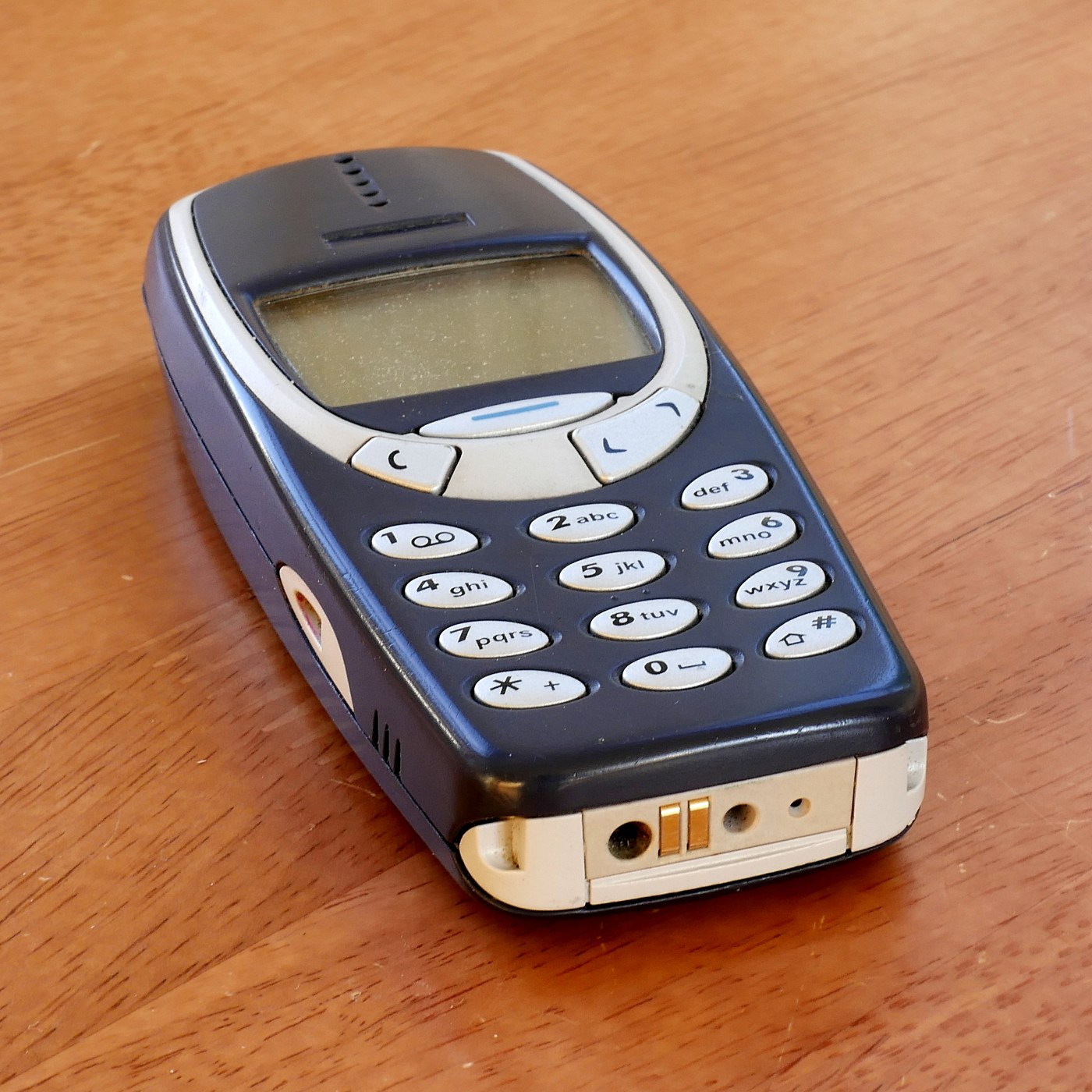
“CAN YOU HELP ME WITH MY PHONE?” GOOD BEGINS HERE TOO.
They ask you how to send a picture. You want to take the phone and do everything. Stopping to explain takes a few more minutes, but it can leave something lasting.

Can you help me with the phone? Comes in while you're doing something else. A photo that doesn't start, a voice message finished somewhere, an app that seemed to work until yesterday. Look at the screen and the solution seems immediate. You have to say: give it here, I'll do it.
Sometimes you really need a quick hand. But if each encounter ends with the phone passing into your hands and going back with everything solved, the other person may not have learned anything. Next time you'll have to ask again. And maybe he'll do it with a little more embarrassment.
There is a different way to use those minutes: let her do it while you explain one step at a time. A small gesture, almost invisible. It may affect a parent, neighbor, colleague or friend. Digital skills change and no one knows every device or service.
The haste is felt even when you don't mention it
A sigh, a laughter, a laughter I have already said. It's just a little bit to make a question look like a fool. Those who ask for help can remember that tone very well and forget the button to press instead. Thus the practical difficulty is accompanied by the fear of disturbing again.
You can start by asking what the person wants to do and how far he has come. Then you propose a passage, wait for me to prove it, check if the explanation has been clear. If you use a term that's obvious to you, try describing it. Not all English words or icons tell their own function.
Even your limits matter. If you are running, you can propose a precise moment instead of accepting it with irritation. If the problem overcomes what you can do, you can say it and look for suitable assistance. The aid becomes more reliable when it does not promise a competence that it does not have.
Grandparents on the Internet: learning together between generations
The Fondazione Mondo Digitale presents Nonni on the Internet as a historic digital literacy project for the over sixty. Started in Rome in 2002, it uses learning between generations: tutor students support older people, with the coordination of teachers. The project page describes courses and materials designed for those who start.
It is a concrete experience to look to to understand the value of a patient explanation. Information and any activities available in your territory should be requested from the organizers: this page does not announce open registrations or new courses in a specific city.
Religious motivation is not attributed to the project. How CHIARA! we propose a Christian reflection starting from its model: how good can there be in making a person more free to communicate, inform and carry out an activity without having to depend on someone each time?
The photo to send can be important
For those who help is a few seconds operation. For those who are learning it can mean reaching a distant person, sharing a memory, participating in a conversation from which they feel otherwise excluded. Meaning is not measured by the number of touches on the screen.
You can ask if you prefer to take a note, repeat the operation or try it yourself while you stay next to it. A brief reminder, written with understandable words, may be more useful than a long explanation. Better to verify together that the steps really match your phone.
Patience does not require treating an adult as a child. Speak to him with respect, avoid humiliating diminutives and recognize what he already knows are part of the help. In other areas, he could teach you something. Reciprocity also needs space to emerge.
Helping without entering the whole life of the other
A screen contains private things. Before opening a chat, photograph or folder, ask for permission. To solve a limited problem you don't need to read what appears around. If you see a personal message, you can look away and let the person decide what to show you.
For passwords, temporary codes and bank access it is important that you stay and manage your data. You don't need to communicate credentials or keep them. If there is any doubt about a scam, you can stop the operation and search for the official contact of the service without following the indications of the suspicious message.
You can also explain that asking for a check before clicking is a prudent choice. No one deserves to be laughed at because he had a doubt. A relationship in which you feel free to ask for help can make it easier to stop before a mistake.
A little time that gives back possibilities
Christian proximity can also pass from activity without a solemn aspect. There are days when the time offered to a person is a very concrete form of charity. The reflection of CHIARA! is this: we can take care of an ordinary need without considering it too small to deserve attention.
Next time, you might be able to explain one thing. It's okay. Watching someone repeat the passage and then doing it for themselves can be a shared satisfaction. The phone stays in his hands. You, for a few minutes, stayed close enough to help him feel a little more able to use it.
Source: Fondazione Mondo Digitale ↗