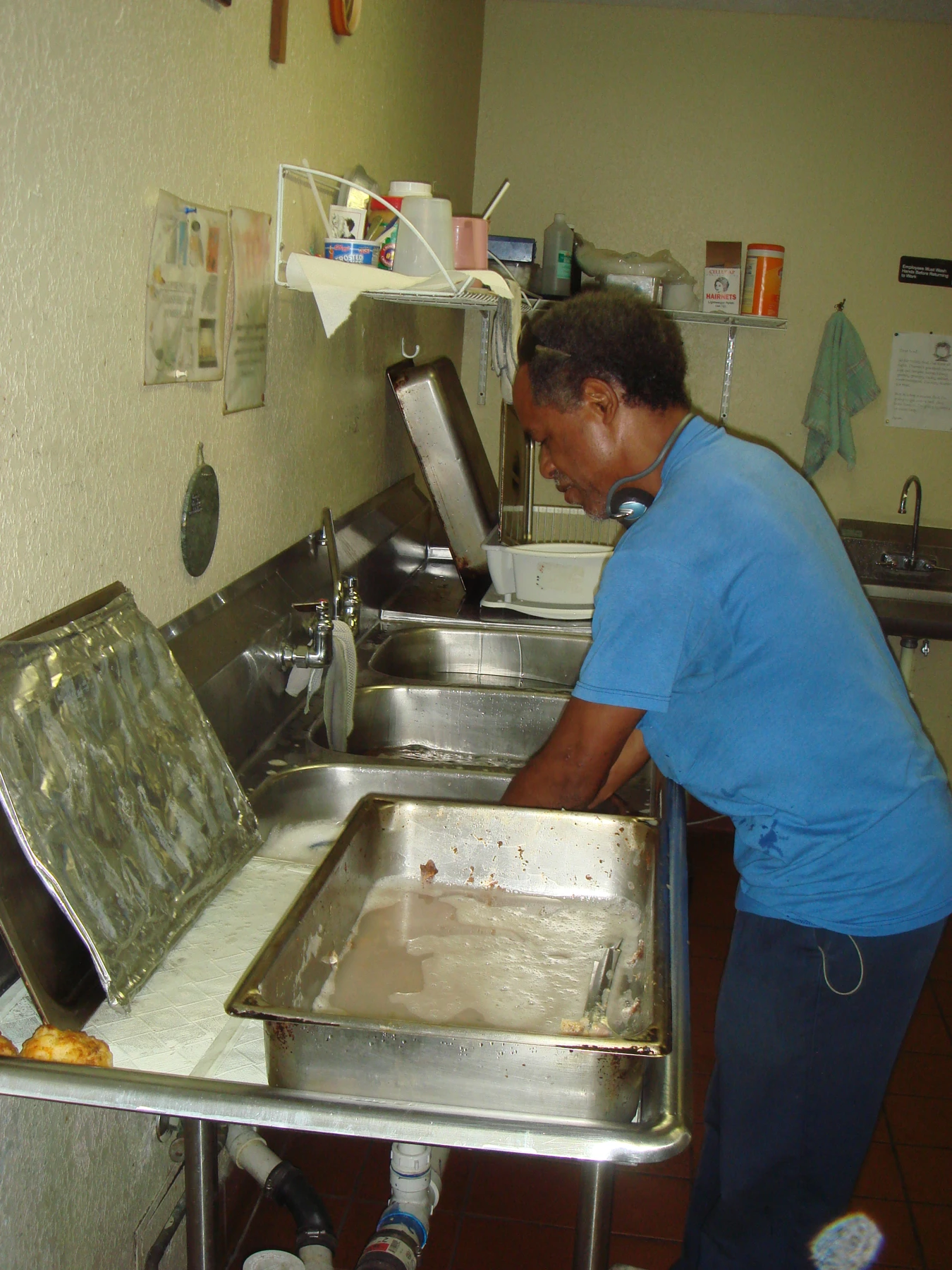
BRING DINNER TO THE PERSON LOOKING AFTER EVERYONE.
It is nearly eight. You asked your friend about her mother, heard about the appointment and said how well she was managing. Then you opened your fridge. Perhaps she has not thought about dinner yet.
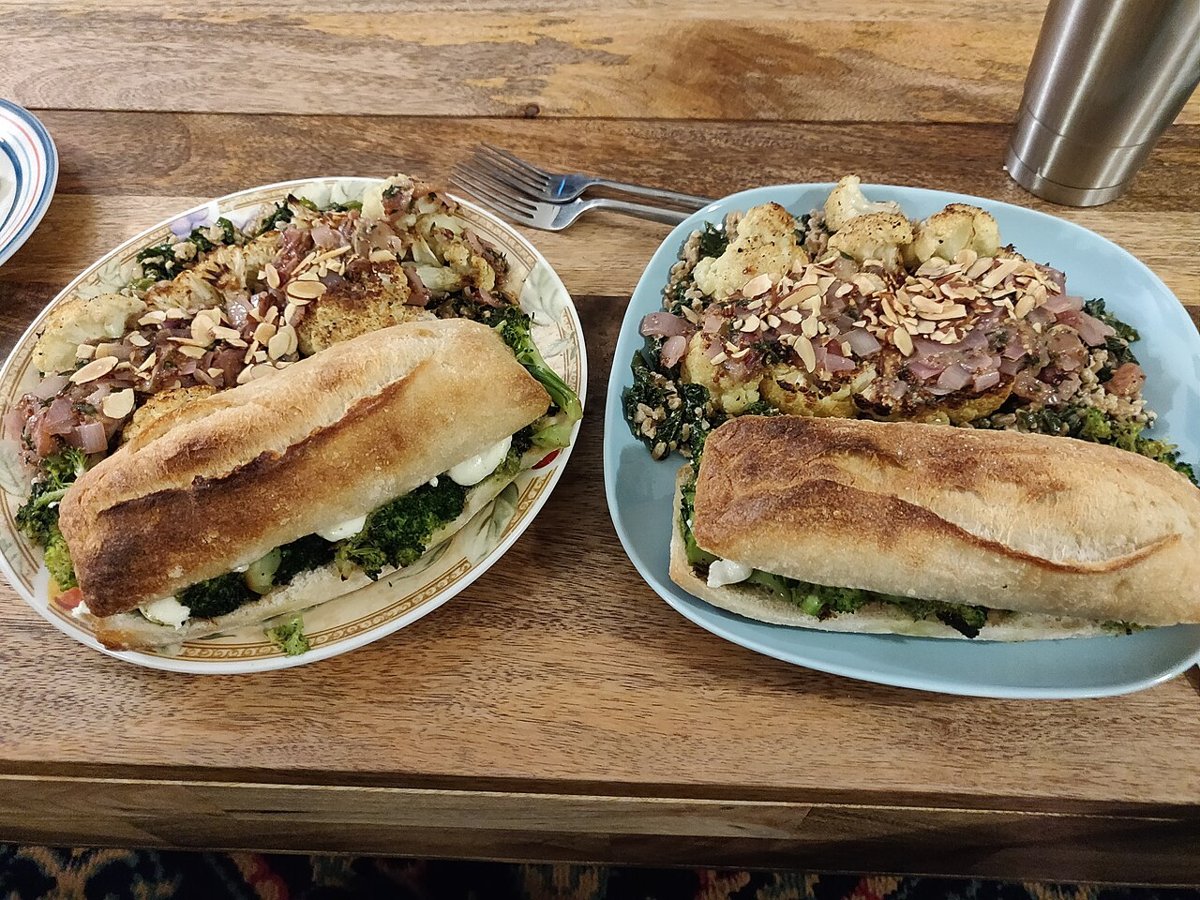
Family carers often hear admiring words. Sincere encouragement matters. But while we say ‘I do not know how you do it’, someone keeps fitting together appointments, calls, work, care and housework. Could some admiration become time offered?
A whole day lies behind the word carer
It might be a daughter caring for a parent, a husband supporting his wife or a sister arranging appointments and paperwork. Situations differ. Begin by asking, rather than deciding from outside what must be needed.
Someone can love the person they support deeply and be exhausted. They can want a break and feel guilty. We should not treat their availability as inexhaustible, as though they were born knowing how to handle everything.
Francis’s 2024 World Day of the Sick message recalls caring for relationships. Around illness is a network needing support. The person accompanying someone should still be able to be a daughter, partner or friend, alongside organising care.
Dinner can remove one worry
Instead of arriving unexpectedly with a huge dish, suggest a day and ask what would be welcome. Check allergies, dietary needs, amounts and delivery. If the person receiving care will eat it too, follow family and healthcare guidance.
An easy container may help more than an elaborate gift. Saying there is no rush to return it removes another obligation. The aim is to lighten a day, without adding washing up, hosting or thank-you messages.
If you do not cook, collect agreed shopping, walk the dog, accompany someone to an appointment or handle an errand. Choose something you can really keep doing.
Offering an hour does not make you a care professional
Company and healthcare tasks are different. Before offering to stay with a vulnerable person, clarify what is involved, whether you are suitable and who can be contacted. Medication, moving people and care procedures require appropriate instruction and competence.
Training routes for care workers and families, including those described by Caritas, remind us that goodwill also needs preparation. Admitting what you cannot do protects everyone.
You can help without replacing a professional or occupying every space. Some families welcome company; others prefer a discreet delivery. Receiving support must not require sharing private details.
Consistency matters more than enormous promises
In Galatians, Paul invites believers to carry one another’s burdens. We can read this beside an overfull calendar and ask which part we can share.
A small reliable commitment is better than an unlimited offer that disappears. Agree a regular errand or coordinate with others, with the family’s consent. Your limits matter too: explaining them makes your yes more trustworthy.
Sometimes ask how the carer is, and leave room for other subjects: a film, a disagreement, something funny at work. Their life is larger than the role they perform.
Tonight you could write: I am making an extra portion on Wednesday; would that help? A simple question with room for yes or no. Kindness also begins with practical support that leaves the recipient free.