TO EVERYONE ELSE, YOU’RE “THAT WOMAN”. JESUS CALLS YOU BY NAME.
The one that was wrong. The one that will never change. Zacchaeus' account interrupts the definitions too easy and also takes seriously what needs to be repaired.
As long as someone says your name and the comment comes: ah, that one. Maybe he's referring to a choice years ago. To a mistake you recognized, to a relationship ended, to a moment when you weren't the person you wanted to be.
The fact remains. But in the story of the others he took the whole place. Your work, the changes, the things you learn seem to be details. You've become that story, always repeated the same way.
The Gospel of Zacchaeus brings us into a meeting in which a person is called by name and invited to change. The reception of Jesus has a particular force precisely because it reaches a life that needs to be transformed.
A man on the tree and a crowd commenting
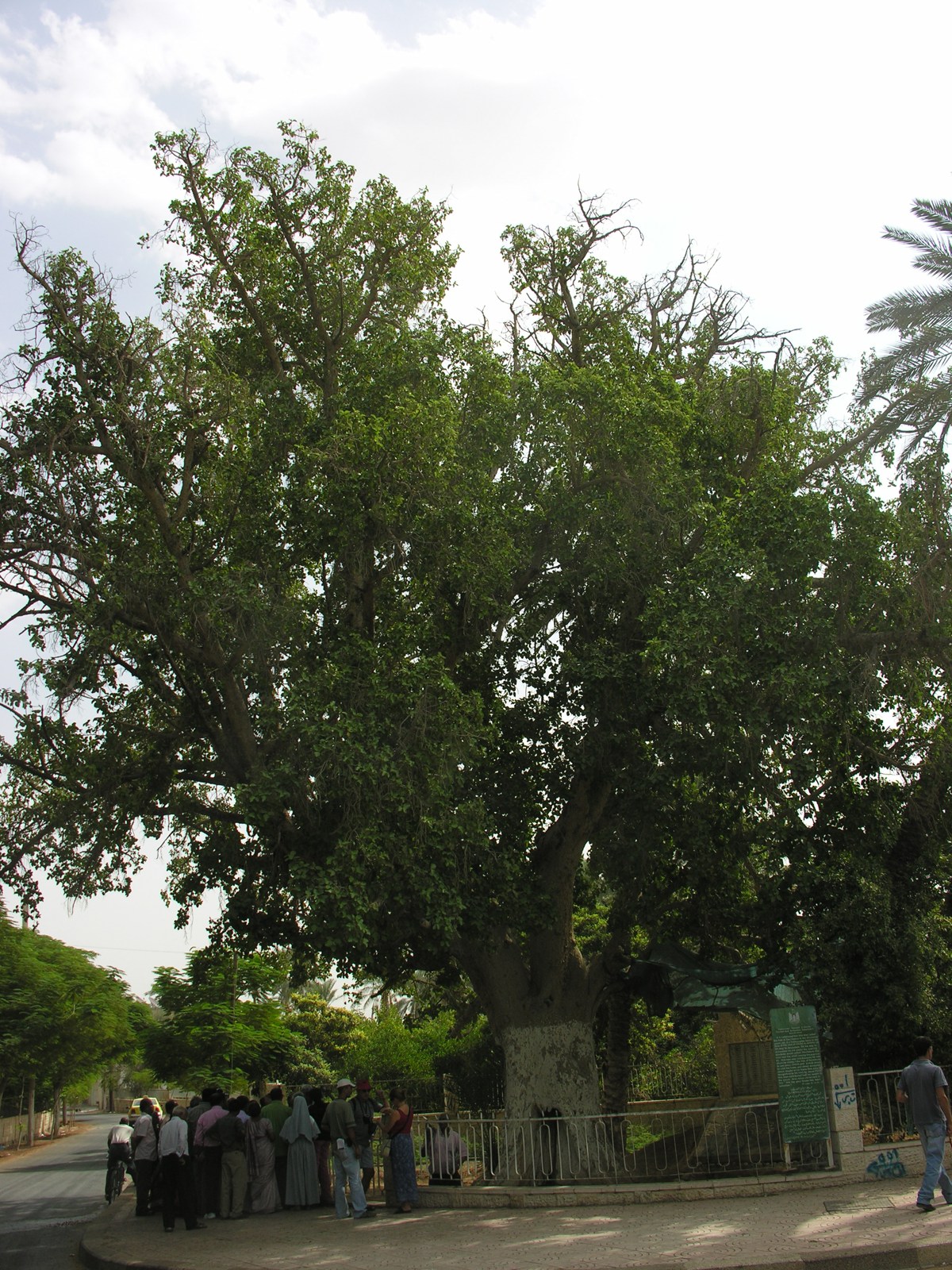
In Luke 19,1–10, Zacchaeus is a head of publicans and is rich. He wants to see Jesus, but the crowd and its low stature prevent him. Run ahead and get on a sycamore. When Jesus arrives, he calls him by name and announces that he will stop at his house. Others murmur because he goes to a sinner.
The story continues with Zacchaeus' decision: to give to the poor half of his goods and to give back four times as much to those who have cheated. The change also concerns what he possesses and how he treated others.
In the Angelus of 30 October 2022, Francis invites us to pause on the looks that meet: Zacchaeus seeks Jesus and Jesus seeks him. It is a reading that helps us to see a person inside his desire for conversion, without stopping at the reputation that precedes him.
An error must be mentioned with precision
When we have made a mistake, it may seem easier to choose one of two extremes: defend ourselves from everything or accuse us of everything. In the first case, we don't listen to who was injured. In the second, we remain locked in a general conviction.
You can try to stay in the act. I said something false. I missed a commitment. I treated that person with contempt. Accuracy helps to understand what responsibility belongs to you and what action can follow it.
This is true even when the judgment of others is unjust. Recognizing your mistake does not require you to accept invented versions, humiliations or comments about your entire life. You can assume what you have done and correct what is told wrong.
Apologies open a work that continues
Zacchaeus brings change to concrete ground. For us, repairing may mean giving back something, correcting news in front of the people who have received it, finally complying with an agreement or interrupting repeated behavior.
If you hurt someone, that person may need distance. Your apology doesn't determine how long it takes to trust her and doesn't require her to resume the relationship. Responsibility also includes respect for an answer that you would have liked different.
The Catholic faith recognizes the value of repentance and reconciliation; the Catechism, at number 1459, recalls the duty to do everything possible to repair the damage. It is an important step: conversion takes seriously the consequences that affect others.
What if the label is attached to you?
Maybe by reading you thought of someone who continues to present through an old episode. Do you really know how he lives today? Or does that story come back in the group because it's become a convenient way to talk about you?
You can stop a conversation without giving a solemn speech. To say that you don't know developments, to avoid re-launching gossip, to distinguish the facts verified by assumptions. If you've contributed to a wrong version, you can correct it.
Being willing to recognise a change does not oblige you to ignore the risks or give up borders. In cases of violence and abuse, protection of persons, fact-finding and accountability remain essential. The Gospel account does not authorize the victims to be again accessible to those who have injured them.
You can stop showing up only through the past
Sometimes it is we who precede every new knowledge with a kind of warning: I am the one who made a disaster. It seems honest to us, but it can become a way to prevent people meeting us from really getting to know each other.
Sincerity requires telling what is relevant to a relationship, with respect due to the people involved. He doesn't ask you to hand over every detail of your story to anyone. You can also talk about the present: what you do, what you try to change, what commitments you want to keep.
The name of Zacchaeus remains in the Gospel together with the possibility of a different life. For those who read today, the question can become very practical: what is the gesture by which I can make a change visible? Small or challenging, as long as you start to take shape out of your mind.