BEAUTIFUL SHOES? EXTRAORDINARY HANDS ARE BEHIND THEM!
Before saying goodbye to shoes you love, take them to a repair shop. San Crispino’s celebration invites us to notice the work that can give them more journeys.
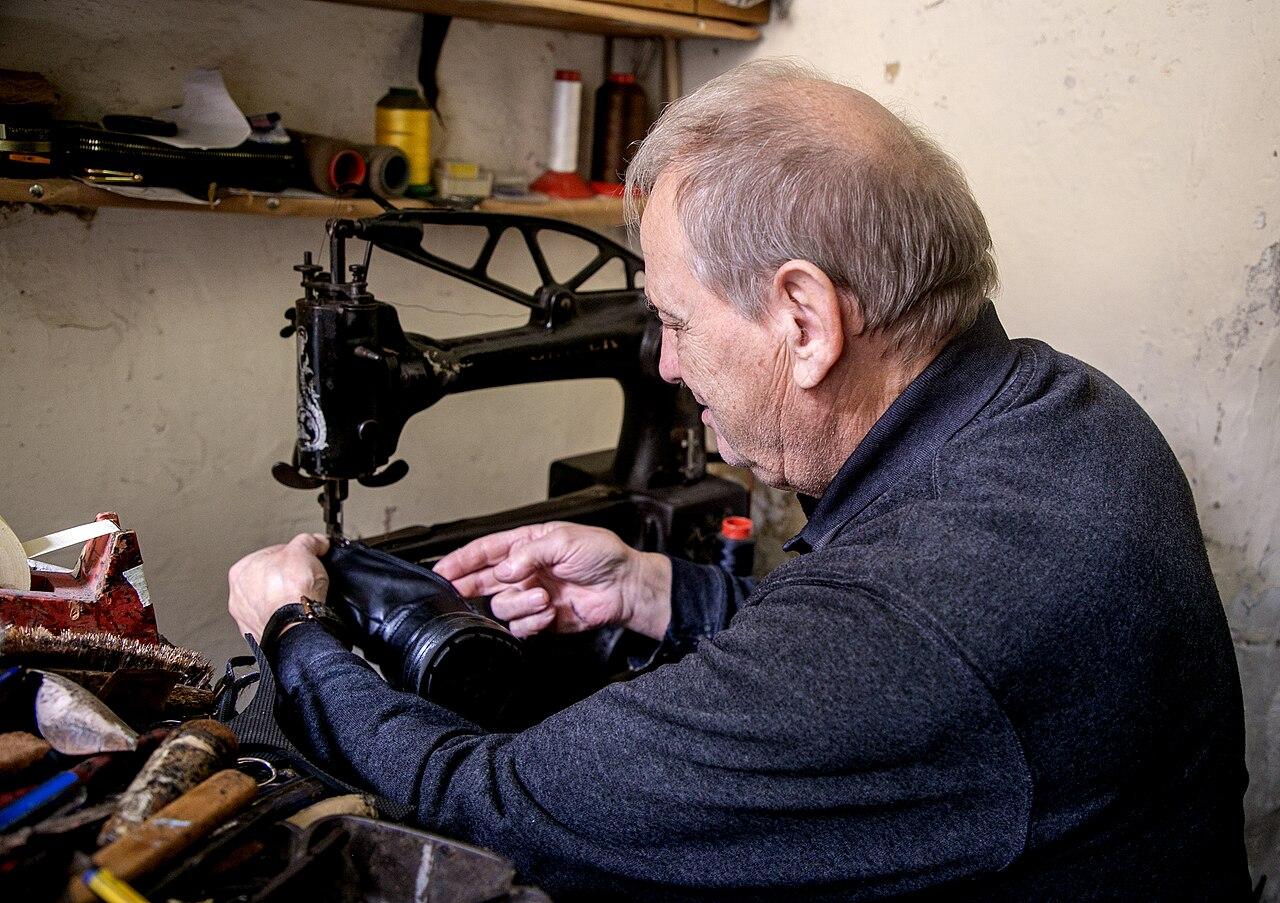
Some shoes know almost your whole life: the first interview, the long walks, the pair you put on for five minutes and wear all evening. When a heel wears down or a sole starts lifting, losing them already feels sad. Before saying goodbye, open a different door: the shoe repair shop.
In San Mauro Pascoli, Italy, the San Crispino fair celebrates the town’s patron and its footwear tradition. The 2026 edition runs on 24 and 25 October, following a preview on the 23rd. It puts people who make, care for and repair shoes at the centre.
A celebration to watch closely
The municipal programme for Sunday 25 October lists cobblers working in Piazza Mazzini from 9.30 to noon and 2.30 to 6.30 pm. The footwear exhibition on the first floor of the town hall, Piazza Mazzini 3, is scheduled for 10 am–12.30 pm and 3–6 pm. These are the official programme times.
At a craft bench, notice what often gets overlooked when buying: how are pieces joined? Which parts can be replaced? How does construction change the job? You can begin seeing a shoe as a collection of decisions. Price tells only part of its story.
Check the pair before your visit
Put both shoes in good light and inspect soles, heels, seams and fastenings. Is wear similar on each? Does an edge lift? Does the zip move? Note the problem you feel while wearing them. Photos help, but taking the whole pair lets the craftsperson assess it properly.
Avoid starting with whatever glue is in your drawer. Materials and construction require different approaches, and an improvised repair may complicate later work. If a sole is loose or a part unstable, wait for an assessment before wearing the shoes for a day out.
Four questions worth asking
Ask what intervention is possible, what result is realistic, the price and completion time. Then ask about the condition of the rest of the shoe. A replacement heel addresses one problem; it does not renew every other part.
If the cost surprises you, ask about the work and materials involved. Decide with that information, considering how often you wear the pair and its comfort. Repair deserves consideration, but actual condition matters. Different damage needs different answers.
Care begins when you take them off
Follow the manufacturer’s cleaning and drying instructions. Smooth leather, suede, textiles and synthetics can need different products. Bring care questions to the workshop too: a precise question is more useful than choosing a cream because its packaging shows a shoe.
The pleasure of this celebration is a change of perspective. Hands, time and experience become visible again. Next time you think a pair is finished, try the repair shop first. You may leave with an estimate and a few more roads to travel together.