In Milan, you can refill your bottle with sparkling water for free
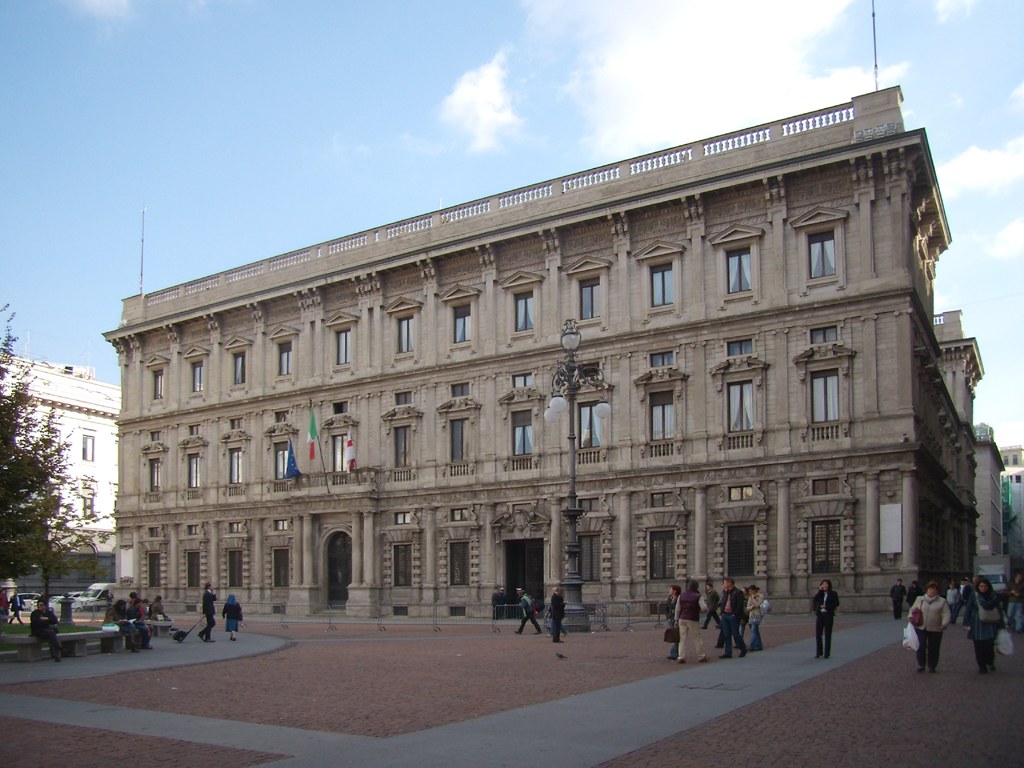
The fountain outside Milan’s city hall is nearly a century old and still fills bottles. For chilled sparkling water, Milan also has free MM refill stations. Those take an Italian health card.
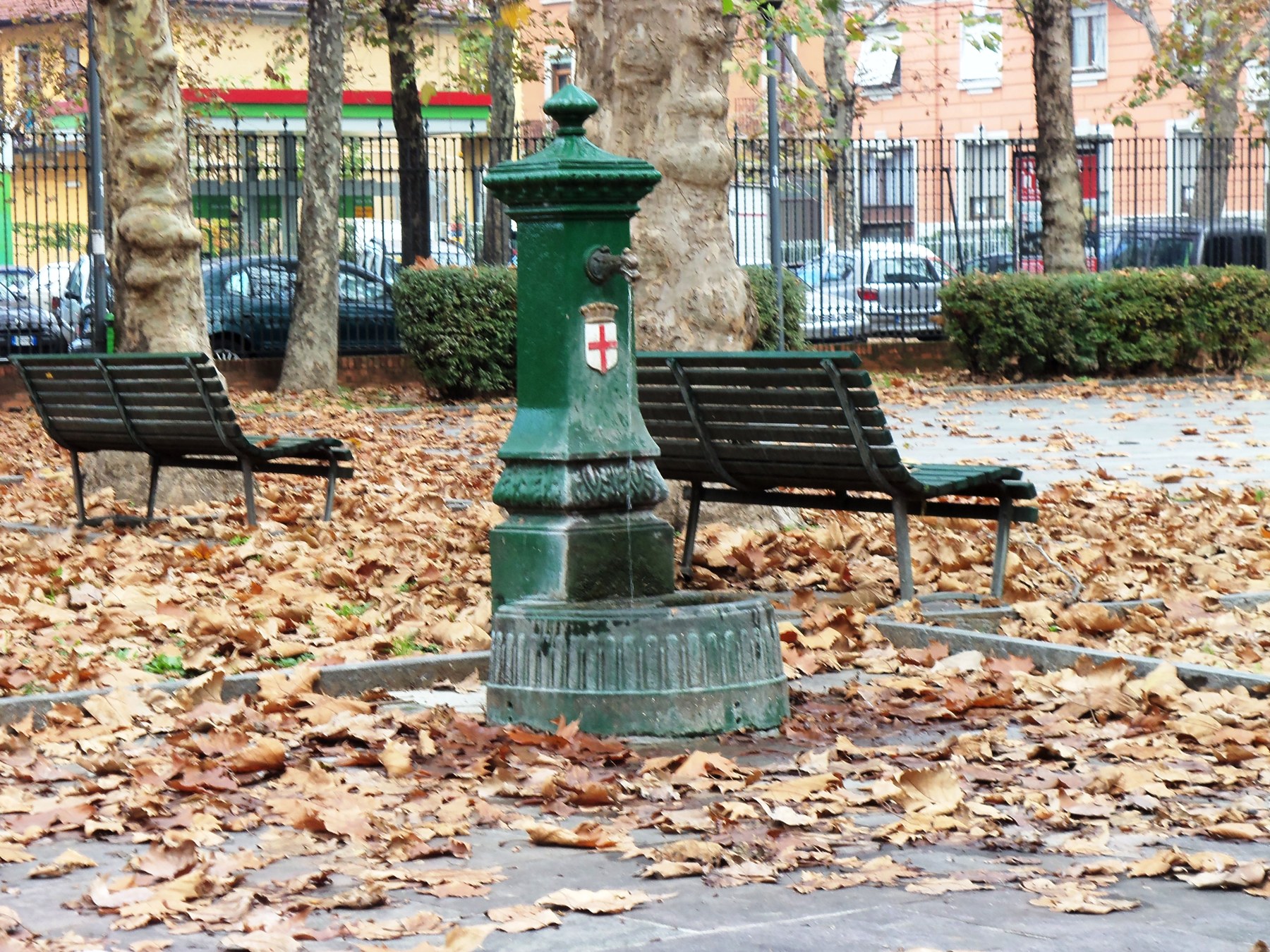
The bronze outside Palazzo Marino stands out when you compare it with the cast iron of Milan’s green drinking fountains. This is the city’s first vedovella, installed in Piazza della Scala in 1931. You can still refill a bottle there without a card. From Duomo, simply walk through the Galleria. For sparkling water, MM’s water dispensers give up to six free litres per person a day with a health card or another accepted card. The two serve different needs in the same city. A fountain is useful while you are out. At a dispenser you can stock up a little, too.
The water that keeps running
At a vedovella, the water is already running. Stop and hold the mouth of your bottle just under the stream. The fountain at La Scala is a good marker for anyone who is in Milan for only a few hours. For the rest of the city you can open the drinking fountain map and the water dispenser map in a browser. The public area of La tua Acqua has both. In a garden, the nearest point on the screen might be behind a gate on another street. Where that gate is and when it opens matter as much as the distance.
At CityLife, the map of the park’s art fountains leads to Serena Vestrucci’s designs. It’s worth opening if you arrive at Tre Torri on the M5. The shapes change from fountain to fountain. If you’re looking from a distance for the same green dragon you know from your own street, you might walk past the one you need.
Vestrucci’s designs bring your attention to a gesture that usually takes a few seconds. A child can spot the water before recognising the fountain. If you’re spending more time in the park, the map shows where there’s another one near an exit. The next refill can become part of the walk without making you retrace your steps.
The bottles you take home
An MM station lets you choose still or sparkling at the machine. The reader takes the card, and you can hold the bottle below the spout with room at the top. Sparkling water needs a container made for fizzy drinks. In a narrow bottle, a short pause lets the foam settle as you fill.
A litre of water weighs about a kilogram. Put six in a bag and you’ll feel how far you’ve walked on the way back. If you’re trying a station for the first time, go with one or two bottles. That’s enough to see how the card reader works and where the stop fits in your day. Once you know the way there and back, decide how much water you want to carry home.
There is a Casa dell’Acqua at Largo Guerrieri Gonzaga, in Milan’s fourth district, near Arena Santa Giulia. From Rogoredo you can take bus 88 to Largo Guerrieri Gonzaga. Check the direction when you plan the journey. If you’ve come into Rogoredo on M3 or by train, look for the bus going on into the neighbourhood. At the stop, use your saved pin to see where to head in the square. The metro, bus or railway fare is separate.
The station opened for the 2026 Winter Olympics. After the Games, it switched to the usual health card access. This matters if you’ve come across an older article describing unrestricted access during the event. Take your card if you’re going there now. It’s an easy detail to forget when you’re leaving for a short journey, and it makes the difference between using the station and looking for a fountain instead. The Santa Giulia station is still useful at that same bus stop now the Games are over.
If a dispenser stops working, the display or a notice on the unit may tell you what happened. To report it through La tua Acqua, keep the street name and exact location. With your bottle still empty, the map can take you to a fountain on the way you had planned. Santa Giulia has the dispenser left from the Games. CityLife has a fountain you could mistake for a work of art. Sometimes the one you need is on your own street, recognisable first by the sound of the water.
SOURCES AND FURTHER READING
- Comune di Milano · Case dell’Acqua e tessera
- MM · Casa dell’Acqua di Largo Guerrieri Gonzaga
- Comune di Milano · Mappa delle Case dell’Acqua
- Comune di Milano · Mappa delle fontanelle
- ATM · Fermata Largo Guerrieri Gonzaga
- Fotografia originale · Yorick39, CC BY-SA 3.0
- Licenza Creative Commons Attribution-ShareAlike 3.0
Did this story touch your heart?
Psst… you’ll like this too!
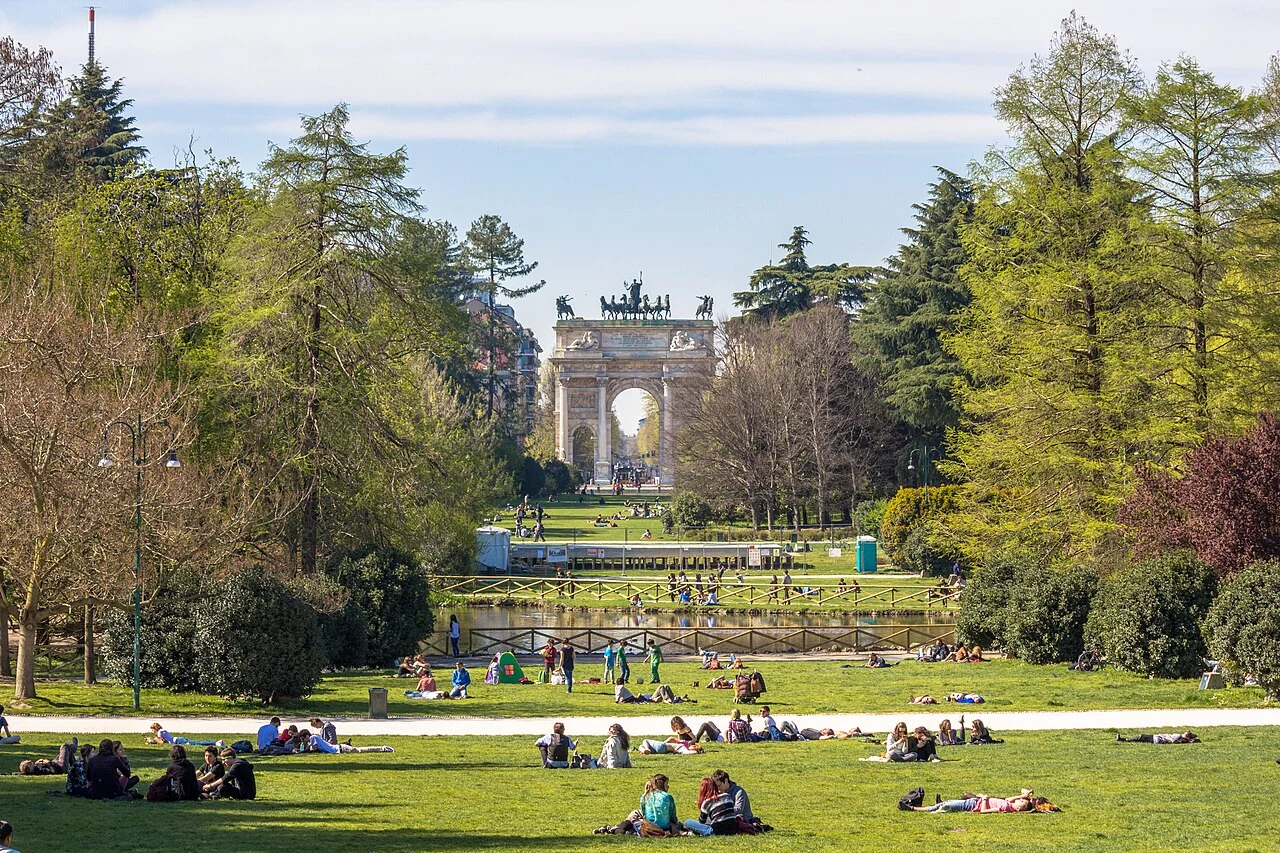
Free picnics in Milan: three parks with drinking fountains, shade and playgrounds
Read the story ↗Share this story