GOD, IT HAS BEEN A LONG TIME SINCE WE TALKED.
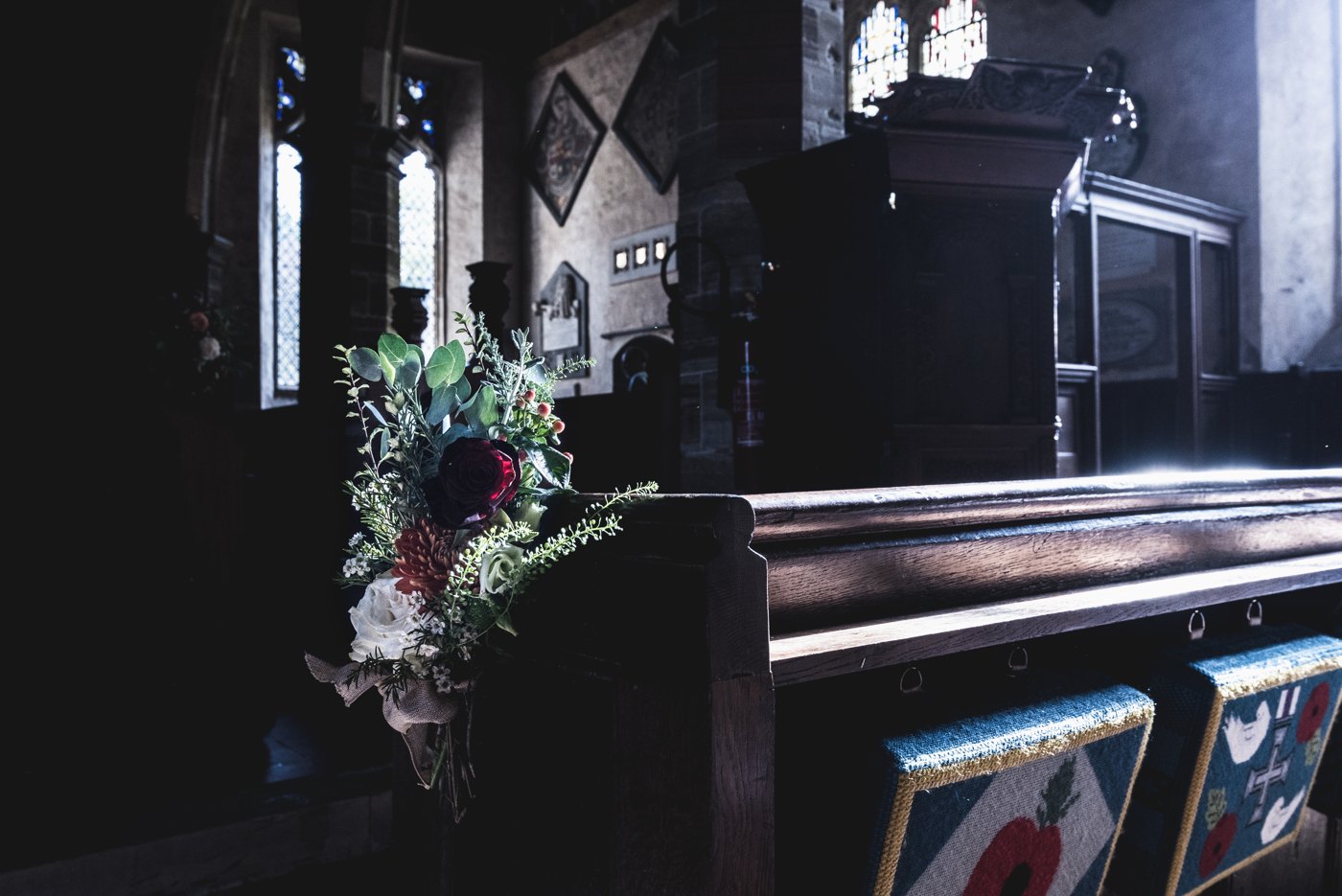
You had not planned to go in. The church door was open, outside was noisy and you stopped. Now you are sitting with your bag on your knees, unsure what to say. A childhood prayer returns, but feels distant. Eventually you find only this sentence: God, it has been a long time since we talked.
It could happen in the kitchen, in a car, by a window. The desire to pray does not always arrive where you expected. Sometimes it is a tiny thought: what if I began again? Others follow immediately. Can I? Is it sincere if it comes now? Must I explain all the time that has passed? You can allow yourself to begin before answering every question.
The first sentence can be the truthful one
After a long time without prayer, you may feel you must recover words, habits, even a tone of voice. A conversation need not begin with a well-built speech. You can describe where you are and why you stopped. Uncertainty can be spoken too: I am not yet sure what I believe, but I want to know whether I can talk to you again.
This possibility does not eliminate questions about faith. It takes them seriously. Perhaps distraction carried you away, perhaps a wound, perhaps answers that no longer satisfied you. None of these stories must be solved through a general formula. Find someone who can hear yours without rushing a conclusion or assigning motives you have never described.
The Father who comes to meet you
In Luke 15, Jesus tells the parable of a father and his two sons. When the younger returns, the father comes out to meet him. The narrative contains distance, choices, repentance, celebration and the elder brother's struggle. More than a sentimental image, it confronts us with mercy and the reactions mercy can provoke even in someone who thinks they have always stayed.
We can read this page without forcing ourselves to resemble every detail of a character. Our story is not automatically theirs. But the father's movement can question the image of God we carry. Do you imagine above all someone to hide from, or can you leave open the possibility of welcome? That question deserves time, especially when trust has become difficult.
Returning need not mean retracing an identical path
Words that helped at twelve may no longer be enough. That does not make what you received then useless. You can revisit it with adult questions, explore a prayer's meaning, read a Gospel passage more attentively. Rediscovered faith can include patient learning, conversation and checking what you once understood only partly.
You need not immediately announce this attempt. Keep it close as it takes shape, or share it with someone you trust. Some will find speaking natural; others will feel more awkward. Your beginning need not become a contest with someone's sudden transformation. Some journeys emerge gradually within days that look unchanged from outside.
An encounter, a page, a question
You could begin with Luke 15, reading the parable slowly. Pause over a detail, note a question, return tomorrow. Or find an open church and stay a few minutes. These are possibilities, not a sequence to execute correctly. If a gesture does not help, talk about it and seek another way of approaching prayer.
If you wish to return to sacramental life too, a priest can help you understand the appropriate step in your circumstances. Confession belongs to the Church's journey of reconciliation; an initial conversation may help if you do not know where to begin. Say simply that time has passed and you need guidance, without having to know every word already.
When distance begins with a wound
Some departures are connected to painful experiences in Church settings. Returning to prayer does not oblige you to entrust yourself again to the person or place that hurt you. Trust needs practical conditions. If abuse or violence occurred, seeking protection, truth and accountability retains its full importance within a journey of faith too.
You are not asked to make what happened uplifting. Choose different, competent people to speak with, maintain boundaries, seek support. Prayer does not replace these steps. It can accompany them if you wish, even in hesitant words. Your story deserves to be heard as it is, even when it does not immediately lead to peace easily explained to others.
God, today I am here
Perhaps you will leave without a particular feeling. Perhaps lighter, or with the same question. Every emotion need not prove an outcome. What you did retains its meaning: you paused, spoke, left a small opening. You can return freely, with whatever help you need.
The bag is still on your knees; perhaps the phone has vibrated. Before rising you can leave a simple sentence: Lord, I am not sure how to begin again; today I am here. This is a suggested prayer, not a Gospel quotation. It does not promise to close the past. It offers a beginning small enough to be truthful within the actual day you are living.