Nemo stands guard! When anemones bleach, clownfish change their routine
A paler home, more defensive behaviour and rising tension within the group: a closer look at life beneath the water in Kimbe Bay.
Jump to what you need
- Nemo’s home is an animal With its tentacles moving through the water, an anemone can look like a sea flower. It is an animal. Its relationship with clownfish is a mutualism, an association in which both partners can benefit. The fish gains shelter, while its activities can help maintain and protect the host.
- Watching everyday life underwater The Royal Society Open Science study, led by Newcastle University researcher Fletcher Noble, used recordings made between March and July 2023. Publication followed in November 2026: the observations and the release of their results belong to different moments.
- Care continued as the home lost colour One striking result concerns what did not change significantly. Maintenance activities, including cleaning and aeration, remained broadly stable. The relationship with the anemone continued to occupy the fish even when the host was bleached.
- What the 215% figure actually describes The headline number is a 215% increase in aggressive behaviour between members of groups associated with bleached anemones, between the two analysed time points. It describes the rate of those observed behaviours, rather than a personality score for the species.
- Warm water and a bleached home are different factors Some host anemones bleached during the heatwave while others did not. That allowed researchers to distinguish effects associated with temperature from those linked to the host’s condition. The findings particularly highlight bleaching in the behavioural changes.
- A touching story without guessing their thoughts The image of a fish staying close to its home is moving. We can enjoy it while recognising that the recordings reveal actions and interactions, rather than thoughts, promises or moral loyalty. Part of the wonder is encountering a life different from our own.
- Let curiosity keep a respectful distance If you meet clownfish while travelling, watch without touching the anemone, chasing the fish for a picture or removing anything from the seabed. A memorable image does not require rearranging the life you came to see.
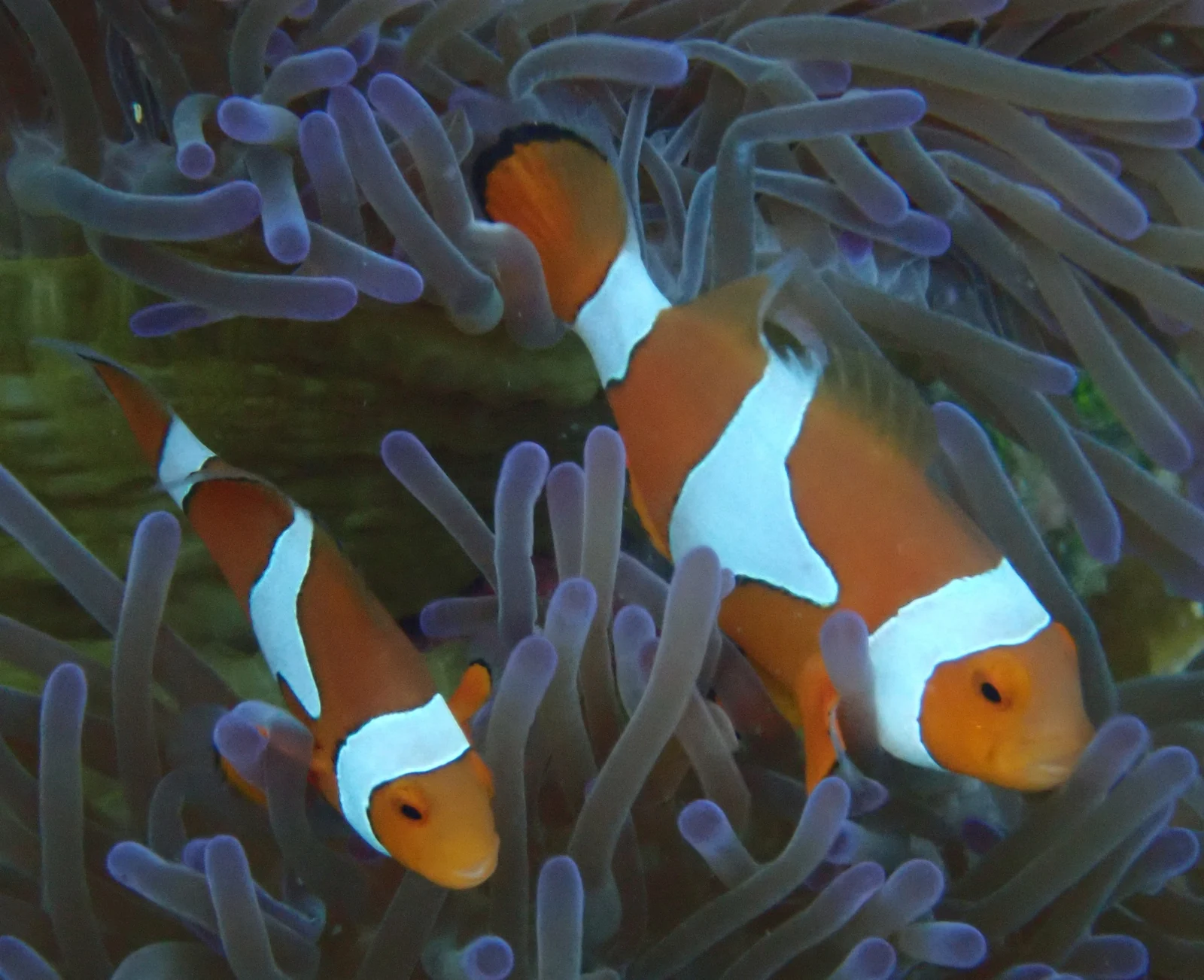
Orange, white and constantly weaving between tentacles: one glance brings Nemo to mind. Clownfish have become familiar even to people who have only visited tropical seas on a screen. Their real homes, however, face challenges that need no invented storyline. When an anemone bleaches, life changes for the fish sharing it.
In Kimbe Bay, Papua New Guinea, researchers observed Amphiprion percula during a marine heatwave. The fish maintained their anemone-care activities while defensive behaviour and aggression between group members increased. A home under stress can become a more difficult place to share.
Nemo’s home is an animal With its tentacles moving through the water, an anemone can look like a sea flower. It is an animal. Its relationship with clownfish is a mutualism, an association in which both partners can benefit. The fish gains shelter, while its activities can help maintain and protect the host.
Anemones also host symbiotic algae. Under stress they can lose those algae and become pale, white or translucent: bleaching. A change of colour therefore reflects a biological relationship in trouble. For fish that depend on the host, it is more than a change of scenery.
Watching everyday life underwater The Royal Society Open Science study, led by Newcastle University researcher Fletcher Noble, used recordings made between March and July 2023. Publication followed in November 2026: the observations and the release of their results belong to different moments.
The analysis covered 69 fish across 23 social groups. Researchers examined maintenance and defence of the host alongside aggressive, neutral and submissive interactions among fish. Looking at several categories helps reveal a more detailed picture: environmental stress does not necessarily change every behaviour in the same way.
Care continued as the home lost colour One striking result concerns what did not change significantly. Maintenance activities, including cleaning and aeration, remained broadly stable. The relationship with the anemone continued to occupy the fish even when the host was bleached.
Defensive behaviour increased. Such activities could help protect the anemone during a difficult period. That possible benefit still needs investigation: more defence alone does not demonstrate that every host will recover because of its resident fish.
What the 215% figure actually describes The headline number is a 215% increase in aggressive behaviour between members of groups associated with bleached anemones, between the two analysed time points. It describes the rate of those observed behaviours, rather than a personality score for the species.
It does not mean that anemone defence increased by the same percentage. Defence and aggression within the group were separate categories. In everyday terms, more aggressive interactions were recorded among these fish. Keeping that distinction clear makes the result easier to understand.
Warm water and a bleached home are different factors Some host anemones bleached during the heatwave while others did not. That allowed researchers to distinguish effects associated with temperature from those linked to the host’s condition. The findings particularly highlight bleaching in the behavioural changes.
Understanding an animal can therefore require looking at the other species it lives with. Its environment is a network of relationships as well as a physical place. When one partner is struggling, the effects may reach beyond its own body.
A touching story without guessing their thoughts The image of a fish staying close to its home is moving. We can enjoy it while recognising that the recordings reveal actions and interactions, rather than thoughts, promises or moral loyalty. Part of the wonder is encountering a life different from our own.
Nemo is a familiar doorway into the story. Here, though, the subject is a real species in a particular location and period. The findings from these groups cannot automatically describe every clownfish and anemone worldwide.
Let curiosity keep a respectful distance If you meet clownfish while travelling, watch without touching the anemone, chasing the fish for a picture or removing anything from the seabed. A memorable image does not require rearranging the life you came to see.
The BBC Earth film below offers another glimpse of clownfish life through archival footage from 2017. The Kimbe Bay research leaves us with a present-day question: what happens to relationships when the shared home changes?
Care for creation can begin with this kind of attention. Learn an animal’s name, understand what it depends on and leave it room to live. The world among those tentacles is small only in size. For its residents, it is everything.
BBC Earth · Blue Planet II (2017) ↗
SOURCES AND FURTHER READING
Did this story touch your heart?

Share this story