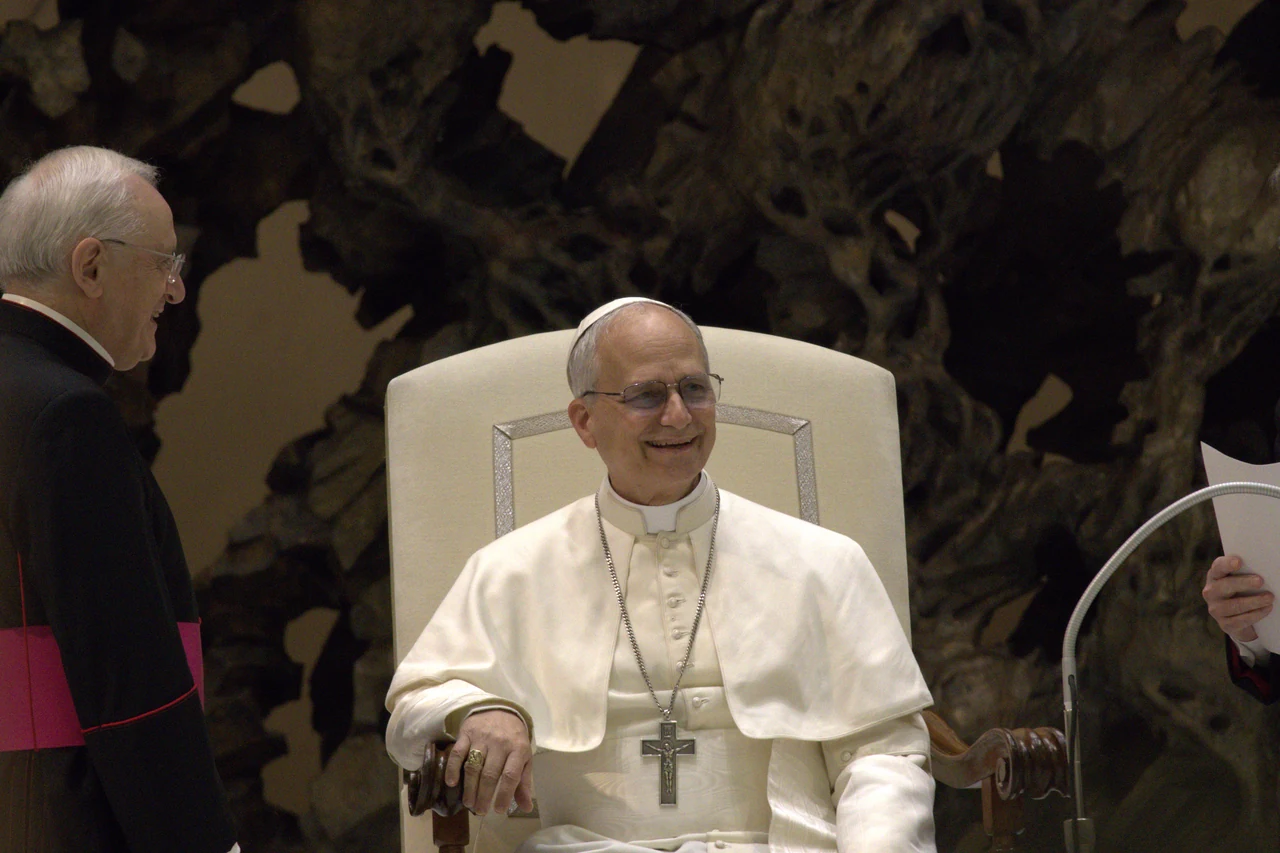
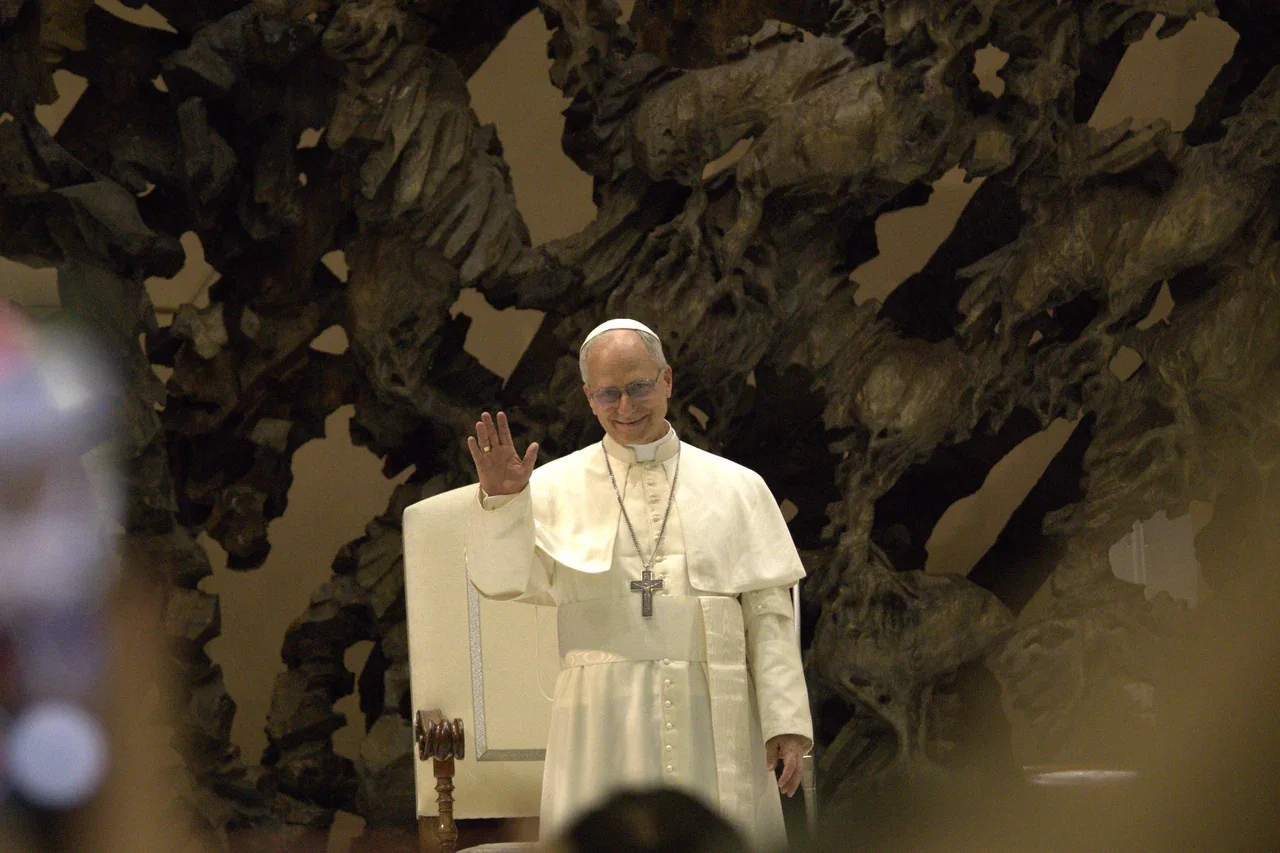
Leo XIV to meet victims of abuse in Latin America
During the 6–17 November visit to Uruguay, Argentina and Peru, meetings are planned with people who have suffered abuse in the Church. The announcement centres on closeness to those who suffer and on building pathways of care.
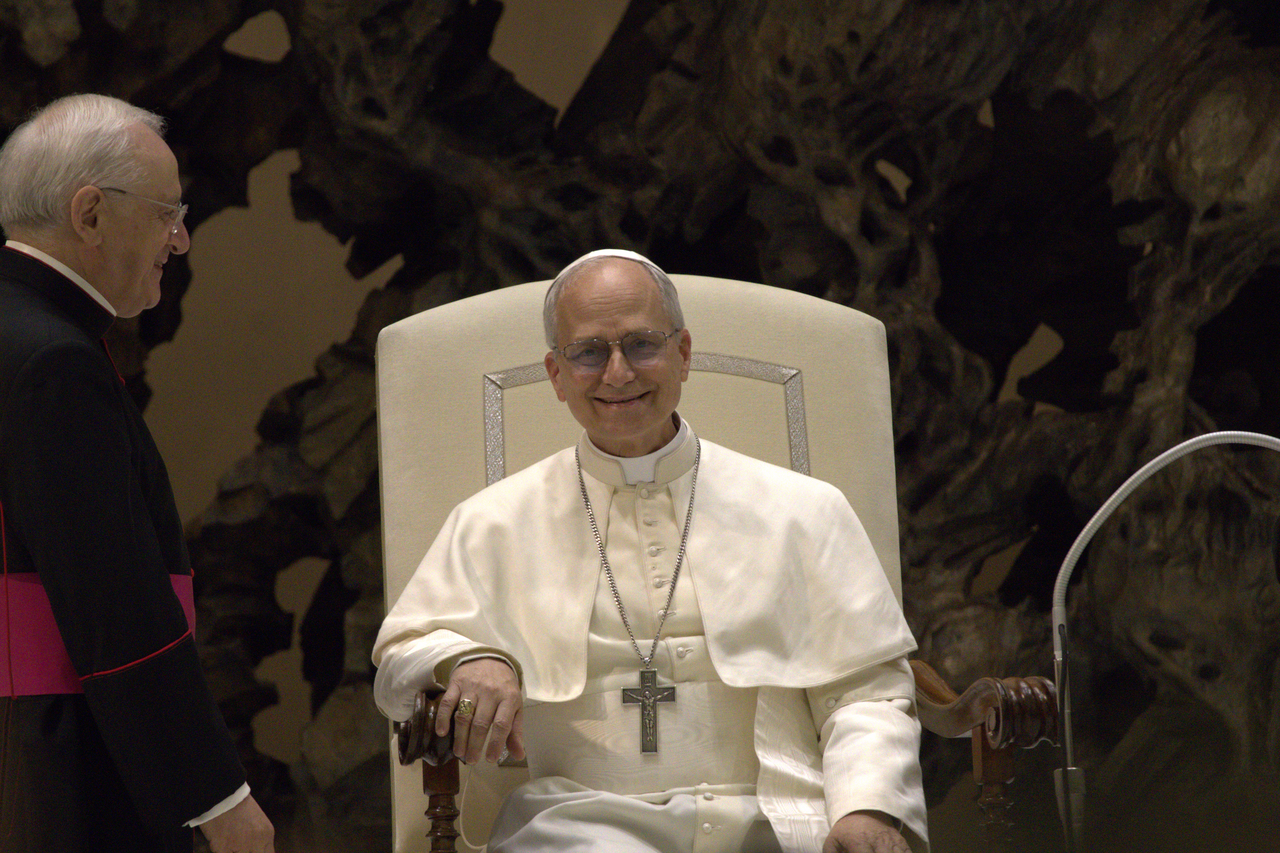
A papal journey is told through places, celebrations and crowds. Yet the announcement from the Holy See Press Office on 27 October includes a space that calls for a different kind of attention: that of people who have suffered abuse by members of the clergy and the Church. Leo XIV will meet them during his visit to Latin America, scheduled for 6–17 November in Uruguay, Argentina and Peru.
To a reader, it may seem like an item on the programme. For someone carrying a similar wound, the word meeting can raise much harder questions. Will there be listening? Will each person’s own pace be respected? What will come afterwards? These questions deserve space, without anyone claiming to answer on behalf of those involved.
What has been announced
The Holy See’s communication confirms that some meetings with victims of abuse are planned. It sets out their purpose: to express closeness to those who have suffered and continue to suffer, to build accessible pathways of healing together, and to make the Church a safe environment in spiritual life too.
The announcement leaves the dates, locations and arrangements private. That discretion deserves respect, keeping the people involved and their needs at the centre.
There are precedents for listening
Leo XIV previously met abuse survivors privately in Madrid on 8 June and Lourdes on 27 September. Arrangements for the forthcoming journey are still awaited. Privacy matters for those choosing to speak.
Recalling those precedents helps explain the context. It does not entitle us to imagine what people will say or feel at the new meetings. Nobody should feel obliged to offer the public a testimony, an image or an account of their pain in order for that pain to be recognised.
A wound that can also affect trust
When harm comes from someone trusted, words of faith can become difficult to hear. Abuse within the Church can wound spiritual life, too. Survivors need room for that part of their experience.
For believers, there is a responsibility here to take seriously. A person may need to speak, or may not be ready yet. They may seek spiritual help or may not feel ready to approach a Church setting. It is not for those beside them to decide how quickly they should regain trust. Their freedom is part of the respect they are owed.
Care must take concrete forms
There is also a specific reference on this point. The motu proprio Vos estis lux mundi, in its updated 2023 version, devotes Article 5 to the care of persons. It provides for dignity and respect for those who state that they have been harmed and for their families, through welcome, listening, accompaniment, spiritual assistance and, as appropriate, medical, therapeutic and psychological assistance.
The same document protects privacy and personal data. Article 4 also makes clear that an obligation of silence regarding the contents of a report cannot be imposed on the person making the report, the person who states that they have been harmed or witnesses, without prejudice to the protections provided. These provisions are worth knowing because they help distinguish respect for confidentiality from a demand to remain silent.
For CHIARA!, this is where the announcement of the journey meets a concrete question: what possibilities for support will remain accessible to people? A meeting can have value, but those who suffer also need continuity, expertise and conditions in which they can feel safe. This will be one of the aspects to follow, without expecting a single encounter to resolve an entire story.
If these words touch you personally
Perhaps you are reading this thinking of yourself, or of someone who has confided in you. You have no obligation to tell your story here or to find the right words straight away. You can choose whom to approach and what support to seek. If you are the one receiving a confidence, you can begin by listening without asking for details the other person does not want to share.
As women of faith, we can also accompany this news in prayer. A prayer that leaves room for the names and lives we do not know, and makes us more attentive to how we welcome those who speak to us. Because trust, when it has been wounded, needs to find people capable of respecting it every day.