SIX THOUSAND YOUNG PEOPLE, ONE POPE AND THE COURAGE TO BE YOURSELF!
Leo XIV meets young people from Lazio and speaks about faith, vulnerability and happiness. Holiness becomes a calling we can live, even on difficult days.
Some days, life feels like an endless assessment. You need good grades, a convincing career plan, a lively social life and the right answer to almost everything. Even an ordinary evening can end with a mental list of everything you failed to do.
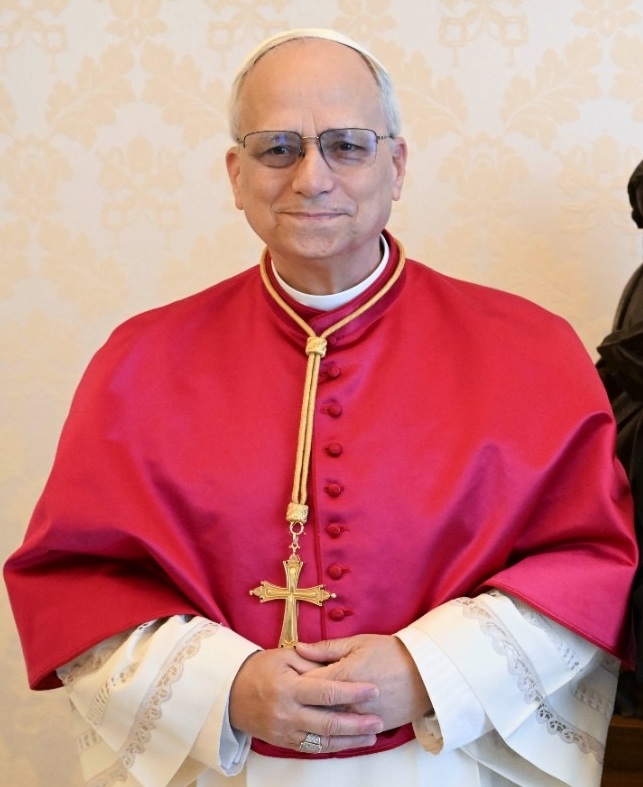
On Saturday 21 November, Pope Leo XIV met a generation that knows this pressure well. More than six thousand young people from the dioceses of Lazio gathered in the Vatican’s Paul VI Hall. Their questions reached far beyond the room: how do we grow in faith while remaining real people, with doubts, limitations and unfinished lives?
A morning for real questions
Organised by the youth ministry of the Lazio Bishops’ Conference, the gathering brought together prayer, personal testimony and conversation. Cardinal Vicar Baldassare Reina and Bishop Mauro Parmeggiani of Tivoli and Palestrina accompanied the regional event, which looked ahead to World Youth Day in Seoul.
Before the Pope arrived, seven testimonies brought experiences of engagement, Baptism, mission, vocation and war into the hall. Different journeys gave a human face to words such as commitment, generosity and future. Five young people then asked Leo XIV about difficulties in believing, holiness, important life choices, the Church community and Confession. These are questions that stay with us long after a public meeting ends.
Faith grows through friendship
Faith can pass through seasons when prayer feels difficult and questions pile up. In his conversation, Leo XIV pointed to the Gospel and the companionship of other believers as places to begin again.
Thinking of faith as friendship with Jesus changes how we approach those seasons. Friendship needs time and attention, including the freedom to return after a difficult day. Opening the Gospel can become a small, practical appointment: a passage read slowly, a question carried into prayer, a moment spent noticing how Jesus meets people.
Community becomes tangible too. It can mean someone who listens without making us ashamed of our struggles, a group where our arrival matters, or a trusted person who helps us find words for what we are living. Questions about faith can feel much heavier when we carry them alone.
When holiness feels like another test
One question addressed the pressure to perform and the difficulty of admitting vulnerability. Leo XIV described holiness as a gift and a calling connected with our deepest desire for happiness.
It is easy to carry the habits of constant assessment into spiritual life. We pray and immediately wonder whether we prayed well enough. We do something generous and compare it with somebody else’s contribution. We make a mistake and begin to feel that everything has been lost.
The Pope’s response places the relationship with Christ and the gift of grace at the centre. Growing in holiness means allowing God’s love to transform a real life. We can bring our actual selves to that relationship, including the parts we find difficult to show.
Responsibility still matters, and so does the possibility of change. Recognising a weakness can become a beginning: asking for help, repairing a wrong, returning to a commitment or taking up prayer again. A life of faith has room for these honest steps.
Making space for the future
The conversation also turned to discernment: learning to listen for God’s call within daily choices and experiences. When study, work or relationships demand an important decision, we often want to see the whole road immediately.
A practical beginning can be a little silence and a conversation with someone trustworthy. Service and community life can help as well. Questions about the future need contact with real people and situations. Giving time, meeting someone in difficulty and accepting responsibility can help us recognise where we are ready to invest our hearts.
A community that notices who is at the door
Speaking about people who feel distant from the Church, Leo XIV recalled God’s closeness to everyone. That has practical consequences for hospitality: understandable language, a warm greeting, a place offered without an interrogation.
Many people know what it means to leave a group after feeling judged or overlooked. A community willing to meet someone can begin by listening to their story before deciding who they are. Christian courage includes the willingness to move beyond familiar circles and recognise a brother or sister in the person standing before us.
Mercy opens a way back
The final question brought the conversation to Confession and Christ’s victory over evil. The Cross and forgiveness formed the heart of the response, opening a personal path towards reconciliation and love.
For someone who has postponed the sacrament for a long time, embarrassment can become a difficult barrier. A concrete first step is to approach a priest and ask for guidance. The conversation can begin with the very thing that makes it hard: fear, distance or the struggle to find words. Wanting to return can begin to take shape through that honest request.
Make room for one small commitment
To carry this encounter into the week, choose one commitment you can realistically keep. You could read a Gospel passage before leaving home, join a gathering in your community or make time for someone you have been overlooking. Decide when you will do it. A small choice is easier to protect when it has a clear place in the day.
At the end of the week, return to that experience in prayer. Tell Jesus what brought joy and what felt difficult. If another person was involved, notice what you learned by being present. There is no need to turn the experience into another score. Give thanks for one good thing, ask for help with one struggle and choose your next step with the life you actually have.
From Rome to Seoul, beginning today
The gathering was inspired by John 16:33 and its invitation to courage. The same theme accompanies World Youth Day in Seoul, from 3 to 8 August 2027. Saturday’s encounter came before the diocesan celebration of World Youth Day on Sunday 22 November. After the dialogue, those present renewed their baptismal promises and received the Pope’s blessing.
Long before anyone packs for South Korea, that courage can enter an ordinary week: speaking truth kindly, asking forgiveness, accepting help and choosing a good that is possible today. Faith also grows in these familiar places, as we learn to love with greater freedom.
Continue with CHIARA!’s Gospel of the day, or read the full dialogue with the young people of Lazio.
Source: Vatican News · Vatican Media ↗
SOURCES AND FURTHER READING
Did this story touch your heart?
Psst… you’ll like this too!
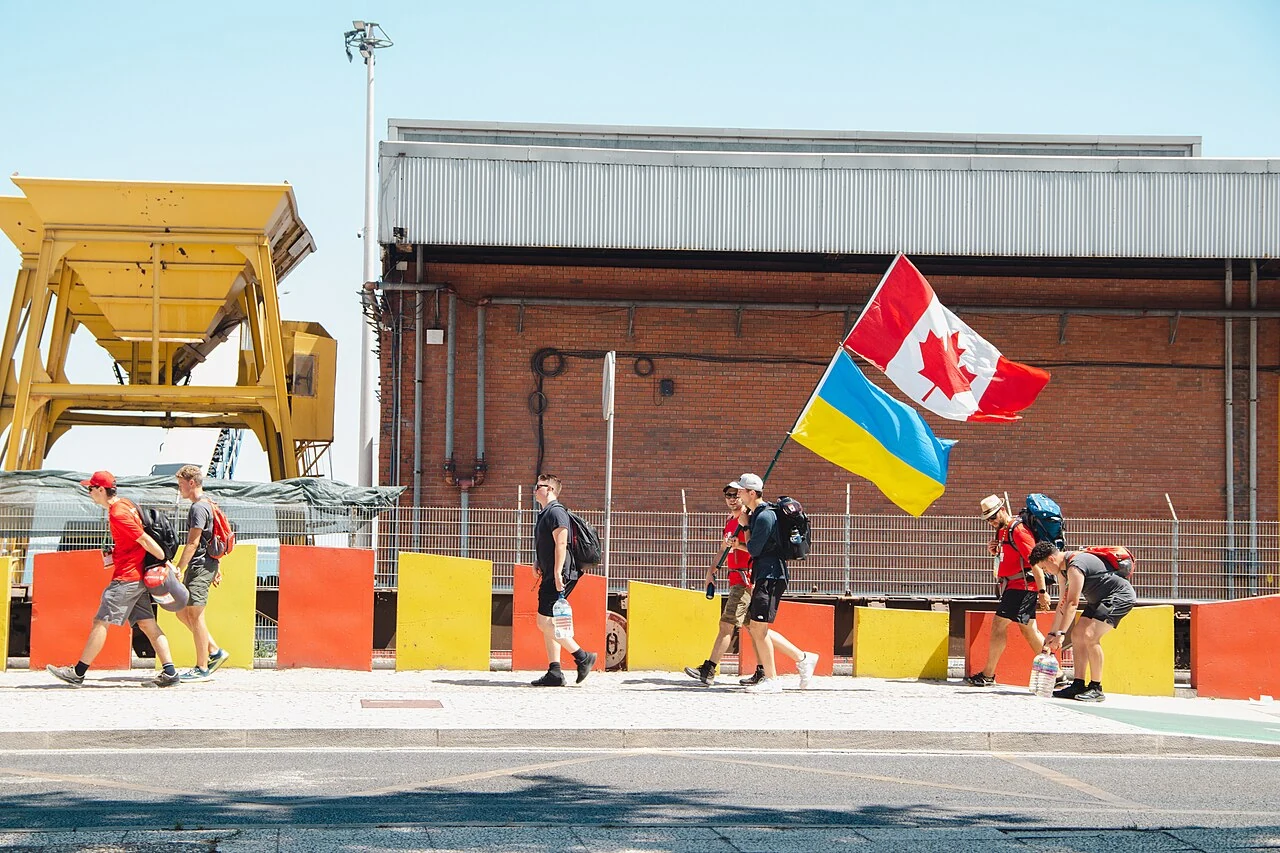
Jesus in their hearts, the world ahead: the young people the Pope encourages to go out
Read the story ↗Share this story