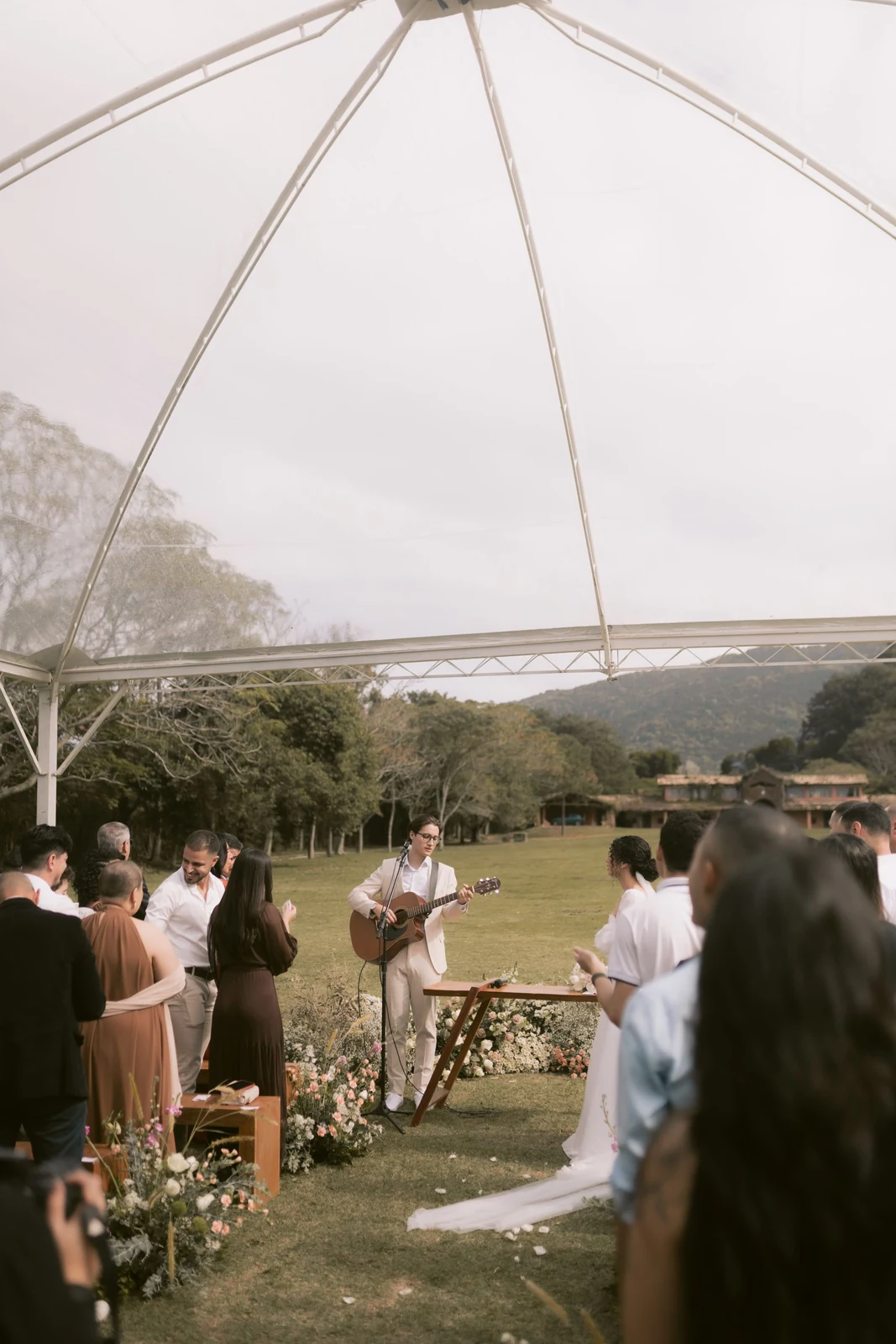
Wedding décor 2027: beautiful settings with room to enjoy them
Quiet maximalism, Regency romance and silver details: practical plans for the entrance, dinner and party, with space and budget in mind.
In this article
- Quiet maximalism needs a leading scene
- Plan the support before ordering fabric
- Start contemporary Regency with two details
- Put silver where it meets the light
- The entrance is part of the welcome
- Draw the people before the vases
- At the party, leave space for movement
- Adapt the setting to the season
- Agree church arrangements separately
- Ask for a quote that describes the scene
- Finish with a real-life trial
The fabric falls softly, the flowers look as though they have arrived from a secret garden and the room has a glow that makes people want to stay. Lovely. Can a waiter get through? Can your grandmother find somewhere for her coat? If it rains, does the setting work indoors too? Wedding décor for 2027 draws on rich, personal visual ideas. For a quiet maximalist scheme, concentrate fabric and flowers in one backdrop; for Regency romance, begin with linens, candlesticks and small silver details. Turn the inspiration into a plan with spaces, materials, people, installation times and a written cost. Here are three settings with both a simple version and a more elaborate one, designed to be enjoyed throughout the celebration.
Quiet maximalism needs a leading scene
The idea is generous fabric and volume with a relaxed feeling. For a pale room, plan a fabric backdrop behind the main table, two low groups of flowers at either end and repeated points of light. Leave the other walls visible. Guest tables repeat the backdrop colour through napkins, while plates and glassware stay simple. The smaller version concentrates the arrangement on the cake table: one drape, one floral piece and dedicated lighting. The larger version adds a second feature at the entrance without recreating the entire set in every corner. A clear hierarchy makes even an abundant design feel carefully considered and allows guests to understand the room at a glance.
Plan the support before ordering fabric
Ask who supplies the backdrop frame, how it is fixed and who authorises installation. A historic wall is not a blank panel for hooks or adhesive. The quote should name the structure, fabric, transport, labour and collection. Give actual height and width rather than requesting a ‘large backdrop’. Ask for an alternative if the intended position is unavailable. The installer needs access details, stairs, available working time and information about existing equipment. Fabric must not conceal exits, signs or service routes. The project becomes workable when these decisions are settled before the deposit, rather than left to a relative to solve while other suppliers are unloading.
Start contemporary Regency with two details
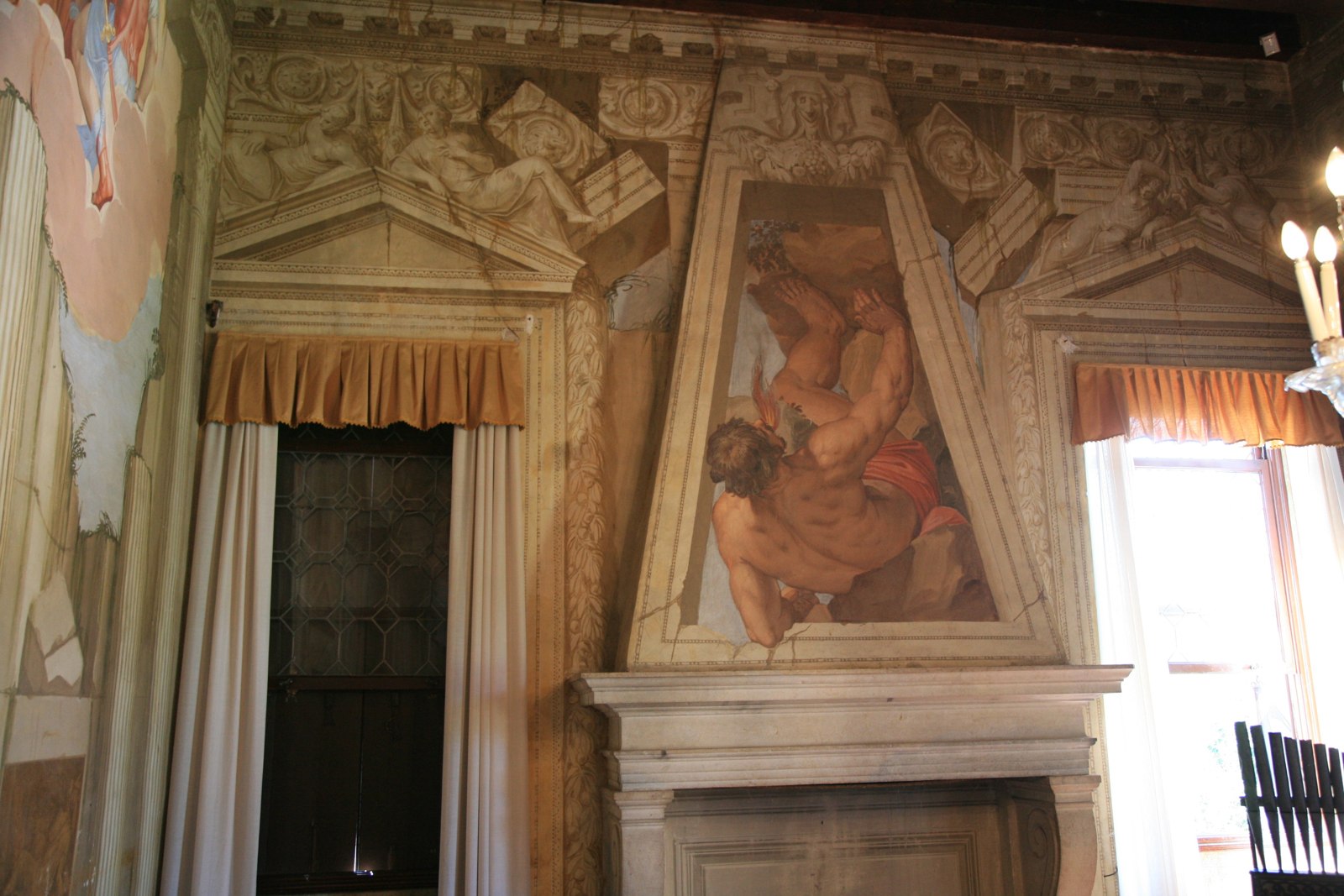
The reference is early nineteenth-century British Regency romance, interpreted for a modern celebration. In a historic house, choose pale linen, patterned glassware and a soft floral arrangement. An original illustration of the building on the invitation connects the setting to the paper. For a more theatrical element, use decorated cake piping or a group of candleholders approved by the venue. The smaller version needs only a welcome table with one substantial vase and coordinated stationery. The larger version repeats fabric and lighting in the dining room. Keep a contemporary element, such as clean typography, so the celebration feels personal rather than like a complete period reconstruction.
Put silver where it meets the light
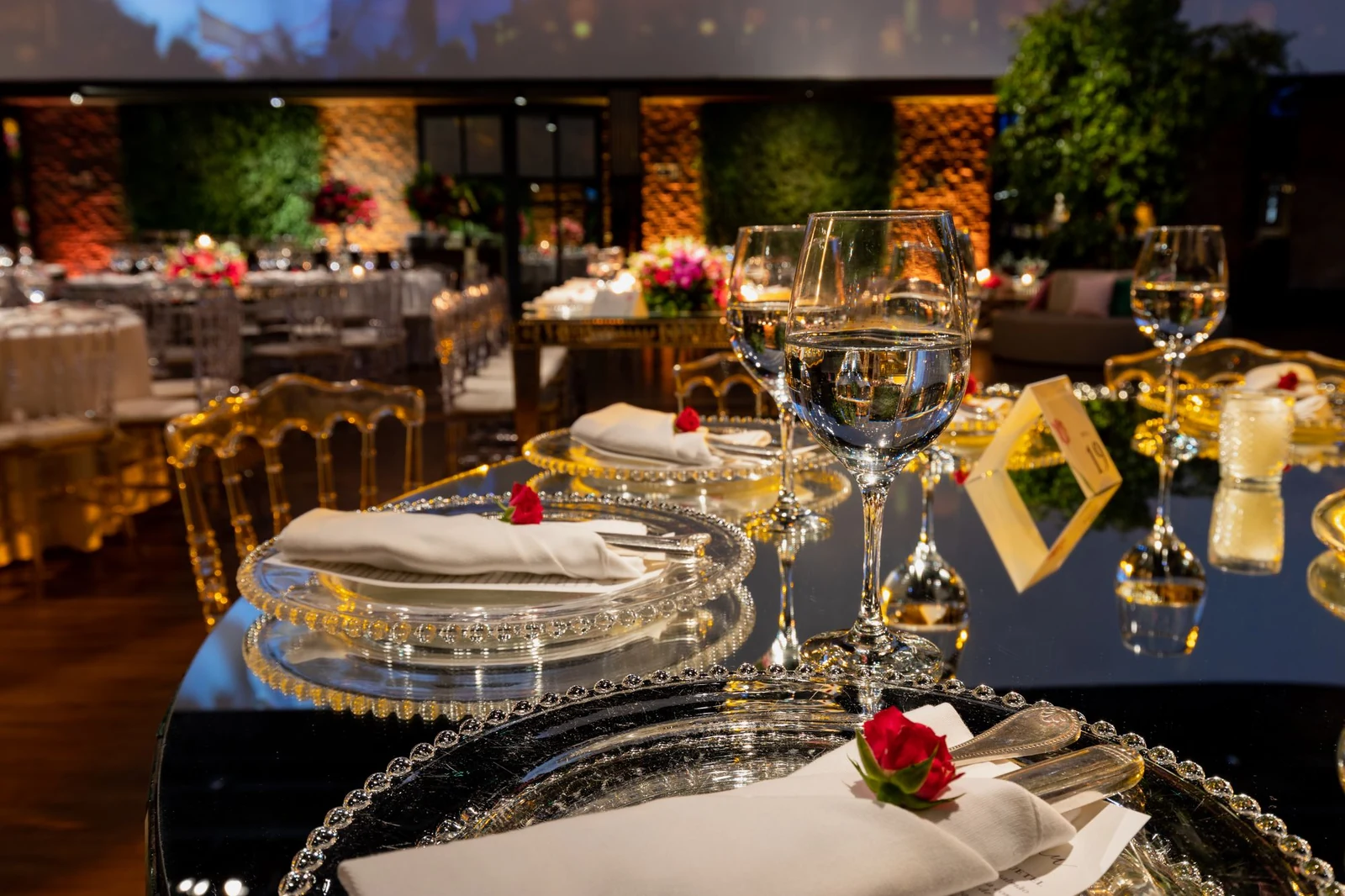
Cutlery, a tray, a table-number holder or a lamp can introduce a silver finish. Every existing object does not need replacing. Test metal in the planned lighting: a mirror-like surface reflects technical equipment as well as candlelight. For the simple version, retain the included plates and glasses and change one detail per table. For the richer version, coordinate cutlery, lamps and two large bar trays. Clarify whether the desired surface is brushed, polished or aged, and circulate a sample photograph. ‘Silver’ describes neither a precise material nor a guaranteed match between two suppliers. These small decisions save a lot of last-minute discussion over almost identical objects.
The entrance is part of the welcome
Draw the route from the car to the room. The welcome sign belongs where guests choose their direction, even if another spot makes a prettier photograph. Add a simple map and an identifiable person to help when needed. A table with water and glasses can be more valuable than a third decorative backdrop. Check the actual accessible route for guests with mobility needs, including doors and slopes. If the entrance changes during rain, plan two positions for the sign. A thoughtful scheme connects appearance with movement: each person knows where to go and can pause without blocking the next arrivals. That calm beginning shapes how the whole event feels.
Draw the people before the vases
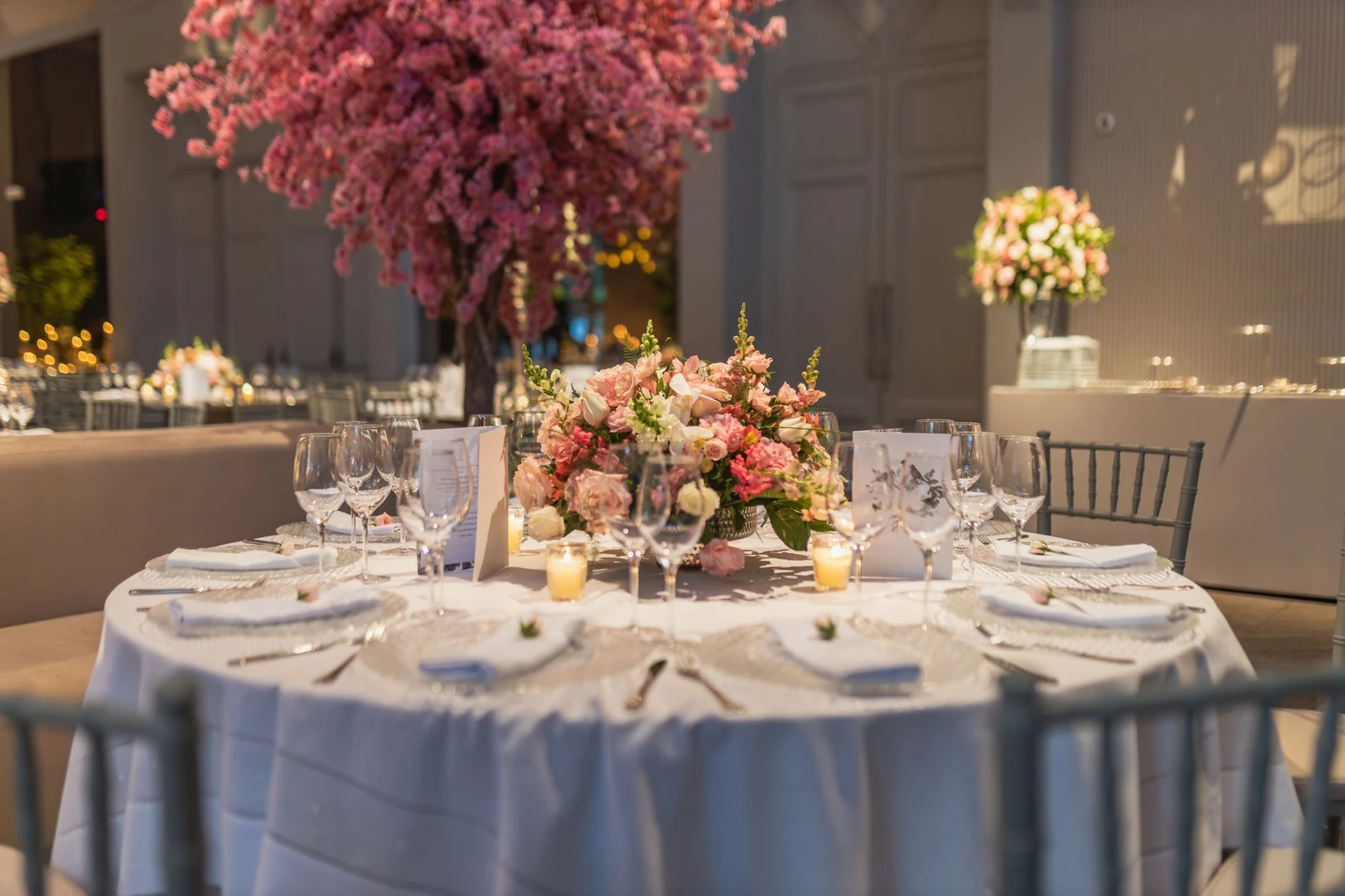
Mark seats, chairs, service routes and the technical area before adding flowers. A floor-standing arrangement can frame the couple's table while still leaving space to stand for a toast. A suspended installation requires assessment of supports and loads, permissions and appropriate professionals. It is not a last-minute craft project. For an enveloping effect with simpler work, concentrate the volume against one wall and repeat smaller elements on the tables. Look at the drawing from the doorway and from a central guest seat. A design can be beautiful head-on while hiding half the room from some guests. A seating plan should work as a lived space as well as a photograph.
At the party, leave space for movement
For a nod to the 2000s, choose music, an agreed direct-flash photography approach and a bar detail, while keeping the dance floor clear. A coherent atmosphere does not require piles of glowing props. Talk to the DJ or musicians before placing flowers and draping: they understand cable routes, speakers, sockets and working distances. Leave seating for people joining the party without dancing. If the evening begins outdoors, confirm permitted music times in writing and agree where it continues inside. The party layout must still work when guests move, bags collect on chairs and everyone is holding a glass. Plan for that reality before the room is dressed.
Adapt the setting to the season
In spring, choose a design that can move from garden to room without changing its dimensions. In summer, keep fabrics away from heat and have the installer assess shade and wind. In autumn, plan with sunset light and a dry route from arrival to dinner. In winter, concentrate hospitality indoors, with a cloakroom and room for coats. Agree substitute flowers for availability changes. Heating, flooring and shelter need discussions with the venue before they become part of the design. Ask who installs them and what they add to the total. These practical elements influence the atmosphere as much as a special vase or a carefully chosen fabric.
Agree church arrangements separately
A reception mood board does not determine the ceremony's rules. Show the priest a restrained proposal identifying the number and position of flowers, and ask about parish and diocesan guidance for music, furnishings and supplier access. Do not order a sanctuary arch before confirming whether it is permitted. If several weddings share the day, establish installation, removal and any shared arrangements. Respect for the place can simplify the design: carefully chosen flowers, open routes and a readable service booklet. The more theatrical fabrics, decorative lighting and party details can belong at the reception. Coordination works through care and a few repeated details, not identical treatment of every setting.
Ask for a quote that describes the scene
Request an inventory with quantities, dimensions, materials, venues and times. ‘Complete decoration’ does not explain whether hire, transport, late-night installation, collection and taxes are included. Attach the approved drawing and identify objects you will own afterwards. For flowers, clarify equivalent substitutions, vase returns and any movement after the ceremony. Before accepting an extra, ask for a revised total. Give the same plan to suppliers when comparing offers and look closely at quantities and service. A cheaper proposal is useful when it delivers the intended scene within the actual schedule, without leaving specialist work to a family member who has neither the equipment nor the time to do it.
Finish with a real-life trial
As soon as possible, test fabric, flowers and lighting together. Look while standing, seated and approaching from the entrance. Ask who turns lights on, who changes a flat lamp and who communicates a weather switch. Give every supplier one updated floor plan before the wedding. After installation, one nominated person can compare photographs, drawings and actual access routes, leaving you free from checking every candle. Successful décor moves you when you first walk in and then gives you space to hug, eat, talk and dance. The setting accompanies the day, becoming part of the memory without requiring either of you to manage it throughout the celebration.
Return to the 2027 wedding guide to connect outfits, styling and planning. The Wedding Special also includes the four seasonal guides.
SOURCES AND FURTHER READING
Did this story touch your heart?

Psst… you’ll like this too!
A spring wedding: practical plans for flowers, spaces and a comfortable day
Read the story ↗Share this story