MATILDE, YOUR NAME KEEPS OTHER DREAMS SAFE
Two years after the skier’s death, her family continues an effort involving training, research and safety on the slopes, supporting young people who love the snow as she did.
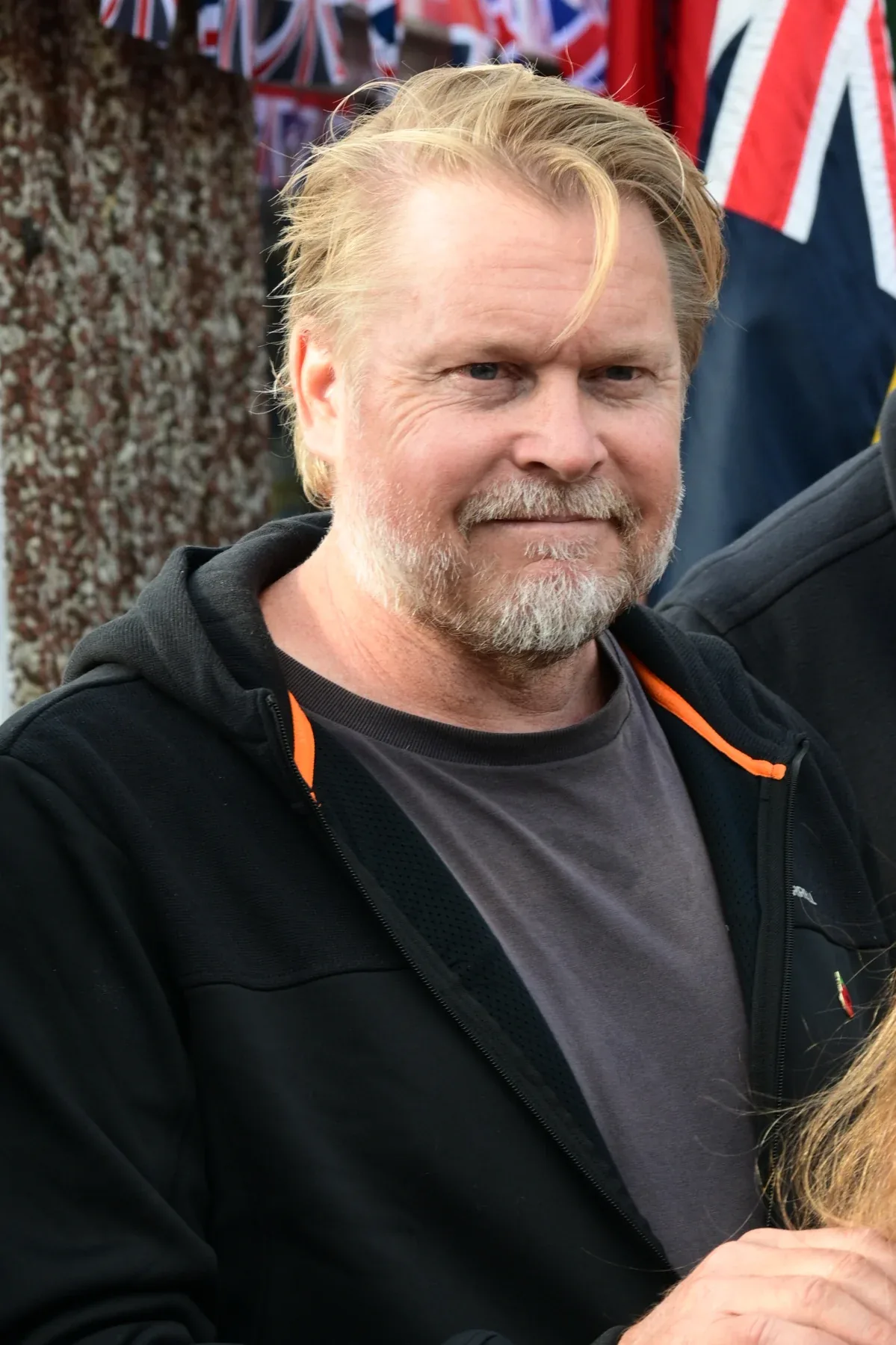
In Adolfo Lorenzi’s office there is a large picture of his daughter. Matilde is smiling, her hair moving in the wind. Her father describes finding a ‘virtual hug’ there every day. A father still seeking a way to embrace his daughter.
29 October 2026 marks two years since the death of Matilde Lorenzi, who was nineteen when she died after a fall during training in Val Senales. The Italian Winter Sports Federation remembers her with affection and highlights the work of the foundation bearing her name. That work deserves a closer look: it is about giving other young people the chance to keep skiing with better protection and trained people beside them.
Mati, first of all
For her family she was the youngest, the last of four children. Born on 15 November 2004, she began skiing by following her older siblings. Her first runs at Pian Neiretto, races with Sci Club Sestriere, joining the national junior squad in 2022 and then the Army’s sports centre in 2023: a passion developed through years of preparation.
In March 2024 she became Italy’s senior national super-G champion. That achievement reflects talent, but also everything the public sees less of: training days, gym sessions and the consistency needed to improve. Photographs and memories from those who loved her, collected on the foundation’s website, remember the young woman beyond the athlete. Together they tell a story of family, friendship and mountains.
What the foundation actually does
The project is called Matildina4Safety. Her father Adolfo is the foundation’s president; her sister Lucrezia helps manage the project. Its work covers three areas: training, research into protection and discussion of how slopes used for training are managed.
These different activities meet the same need: being prepared before something happens. Equipment matters for a young person heading down a slope, but so do the skills of those supervising them and the organisation of their training environment. The foundation works on these aspects with professionals, researchers and mountain operators.
Four hundred instructors and training that can make a difference
Four hundred ski instructors trained in first aid: that is the result reported on 27 October. Behind it are theoretical and practical lessons, discussions with experts and tools for recognising risks.
The aim concerns people working on the snow every day: instructors, coaches and sports professionals. Being beside an athlete during an accident requires specific preparation. First aid therefore has a central place in the project, alongside awareness-raising for families and skiers.
That number has a tangible meaning: behind each instructor are pupils, groups and people relying on their experience. Investing in training means bringing skills into an everyday relationship, exactly where safety needs to be put into practice.
A map to see hazards more clearly
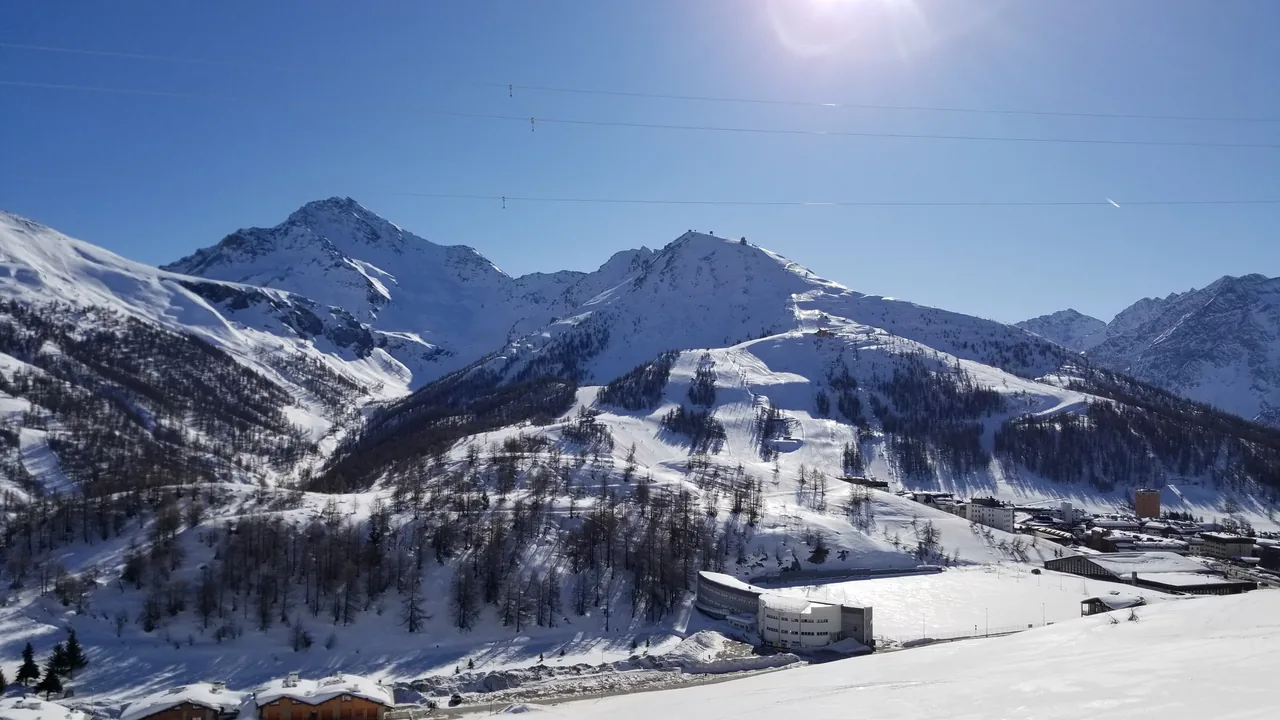
Another part is SkiSlo, the research initiative of the foundation and Alta Scuola Politecnica, shared by the Polytechnic Universities of Milan and Turin. Eight students worked with drones and sensors on Sestriere’s slopes, producing an initial map of possible risks.
The project aims to build a digital twin of a ski slope: a model combining the shape of the terrain, snow conditions and a skier’s movement. Simulations help identify the most critical sections and provide useful information for those managing resorts and organising training.
This is research that needs testing and development in the field. The initial work at Sestriere is a starting point; the aim is to make the tools applicable to other settings too. The project website distinguishes these stages, from collecting data to validating simulations. Behind the technical language is a question everyone can understand: which hazards can we recognise in advance?
Developing protection and guidance together
The foundation also works on individual and collective safety equipment: protection, detection systems and solutions to assess with companies and research organisations. Helmets and airbags are among the technologies receiving attention. Every proposal must be assessed for effectiveness and real-world use in the mountains.
There are also discussions among coaches, resort managers, athletes and sports institutions about slopes used for training. This process remains exploratory: it aims to gather experience and concerns, develop good practices and consider possible regulatory guidance. Clarifying how spaces should be organised is another part of caring for those who use them.
A name to carry with us
Donations and community events support the work. On 6 September, the second seven-kilometre walk from Colle Braida took place in support of the foundation. In October, the group also attended a J Medical conference on athletes’ injuries: the signed shirt donated by Manuel Locatelli was announced among the items intended for an auction.
Anyone wishing to learn about the activities or contribute can find projects, events and ways to help on the foundation’s official website. Following them also makes it possible to understand where support goes: into training, research and the work needed to bring different skills together.
Adolfo calls this commitment ‘our second life’. His embrace of Matilde remains something intimate and everyday. Alongside it, opportunities to protect other young people are growing: a better-prepared instructor, a more closely studied slope, a safety question taken seriously. That is how Mati’s name now enters the stories of those who still have many runs ahead of them.
SOURCES AND FURTHER READING
- FISI — remembering Matilde, 28 October 2026
- Foundation — Matilde Lorenzi’s life
- FISI — women’s national super-G champions
- Foundation — Matildina4Safety
- Foundation — introduction and family roles
- Foundation — training
- SkiSlo — research project, aims and team
- Foundation — safety equipment
- Foundation — slope management and regulations
- Foundation — events and initiatives