Can you save a jumper that shrank in the wash?
Check whether the jumper has shrunk or felted, and find out when gentle reshaping can help.
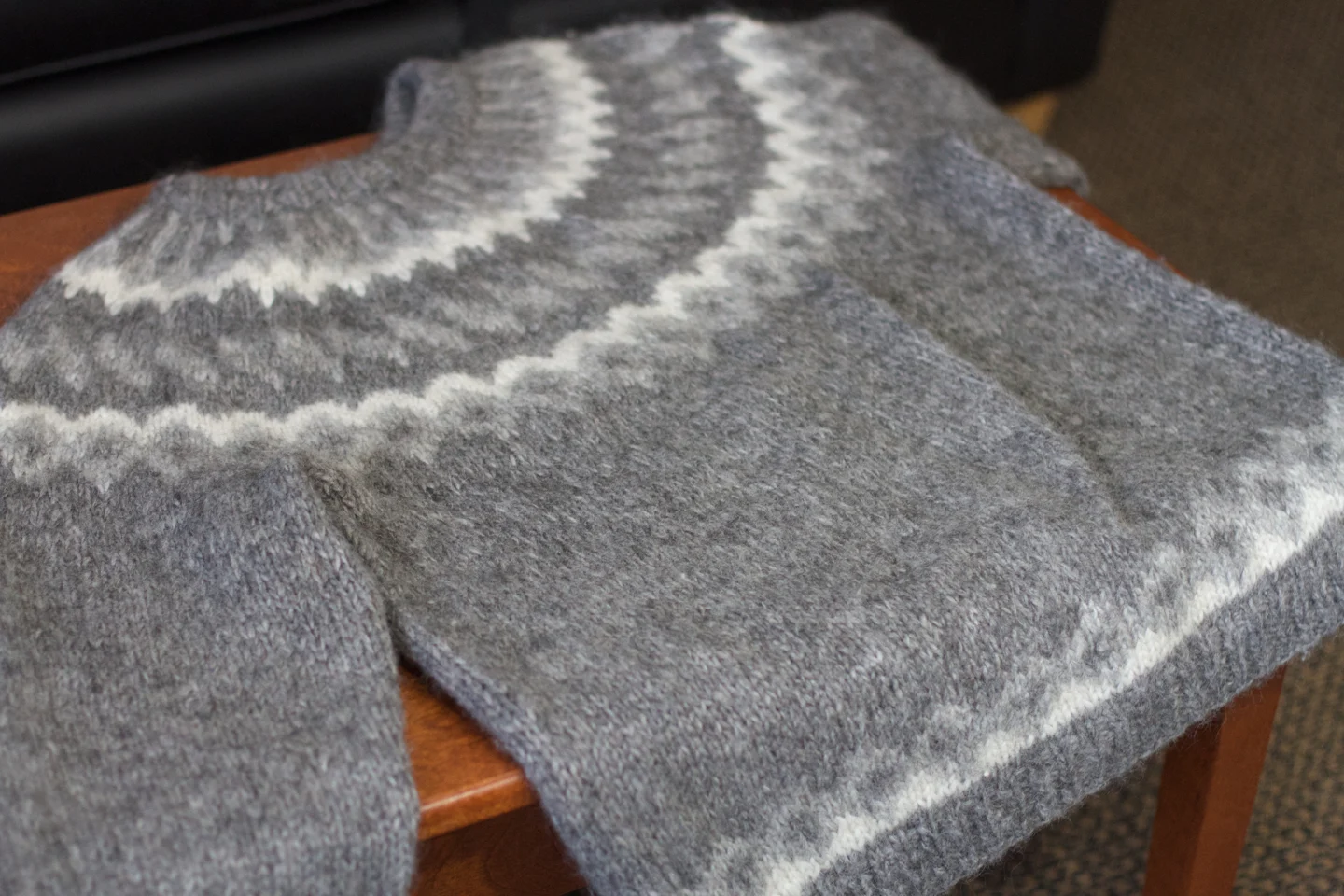
You lay it on the bed and for a second think you’ve picked up the wrong one. Your favourite jumper looks smaller. Can you save it? Gentle reshaping can sometimes help with slight shrinkage. Heavily felted wool is unlikely to return to its original size. Look closely at the knit and read the label before washing it again or tugging on the sleeves.
It’s disappointing, especially when the jumper has a story. Someone gave it to you, you bought it on a trip or you reached for that colour whenever you wanted to feel a little better. That’s all the more reason to go slowly. A miracle fix can make things worse. Work out what you can do at home and when it makes sense to get help. There’s no way to promise how much length you’ll get back.
Has it shrunk or just changed shape?
Lay it flat without stretching it. If you can, compare it with an old photo or measurements. Check the width across the body, the length from the shoulder, the sleeves and the edges. Hanging a wet jumper can change its proportions. One part stretches and another looks shorter. How it feels the first time you put it on only tells you part of the story.
Look at the stitches in good light. Can you still see them clearly? Does the knit feel soft and have some give? Or has the surface become dense, stiff and more uniform? Those clues can help you decide what to do next, though a specialist can assess the fabric more closely. If the wool has felted heavily, getting it back to its original size is unlikely.
Why wool can felt
Certain combinations of moisture, temperature and movement affect wool fibres. With pronounced felting, the fibres lock together into a denser structure. When the fabric itself has changed, stretching a sleeve won’t undo it. A bowl and a product from the bathroom cupboard can’t turn back the wash cycle.
Check what the jumper is made of, too. It could contain wool, cashmere, silk, cotton or synthetic fibres in different proportions. Read the whole label. Embroidery, trims and seams may need particular care. For a precious garment or an unfamiliar knit, take that information to the maker or a specialist cleaner before trying anything else.
Check what the label allows before wetting it again
If the label permits washing in water and the shrinkage looks slight, consider gently reshaping the jumper. Care instructions vary. Your garment may call for water and a specific detergent, with its own timing and method. Pick one procedure that suits the garment and follow it from start to finish. Mixing advice from different videos and guides can mean using steps that don’t belong together.
Stop if the label calls for professional cleaning only, the colour bleeds easily or parts could lose their shape. You can still work out what happened. Note the wash cycle, temperature, spin setting and whether it went through a tumble dryer. That gives a cleaner a better starting point than saying it happened out of the blue.
Reshape gently, a little at a time
For a knit that can take this treatment, set out a clean surface and a light-coloured towel that won’t shed fluff. If the method calls for wetting or dampening it, support the garment with both hands as you move it. Wet wool is heavier, so avoid holding the whole weight by one sleeve. Skip rubbing, vigorous handling and twisting while the fabric is wet.
Lay the jumper flat and ease it into shape with small movements across several areas. Pulling only at the cuffs is unlikely to restore the overall length. Think about the body, shoulders and sleeves together. Stop if the knit resists, its surface changes or the seams start to pull. Aim for proportions you can wear while keeping the garment intact.
Use a towel to take out excess water
If the method calls for it, support the jumper and press it gently with a towel to absorb moisture. Avoid wringing or twisting it. If the towel gets soaked, swap it for a dry one. Give the jumper an even chance to dry without leaving it sitting in water or rushing it through another spin cycle.
In general, dry knitwear flat unless the label says otherwise. Choose a surface with some airflow. Hanging the jumper wet can pull it out of shape under its own weight. Keep it away from direct heat and radiators. A hairdryer aimed at a sleeve that still looks short can make one area dry differently from another.
What about the hair conditioner tip?
Some care guides describe conditioning treatments. The bottle in your bathroom may have a different formula, with colours or fragrance, and it could leave residue. If the maker specifies a wool product and a method, stick with those directions. Leave vinegar, baking soda and other improvised additions out of it.
Gentle reshaping may help a slightly shrunken jumper. Deep felting is a different problem. A long soak is unlikely to soften a stiff, dense knit again on its own. If you ask a specialist for help, tell them what you’ve already used and in what order. It can affect the options they have left.
When to try a different plan
If the jumper won’t return to a wearable shape, consider an alteration or a use that suits the fabric. Wait before reaching for the scissors. A tailor or someone who repairs knitwear can help you work out what’s possible. Heavily felted wool may be useful for something else, but the edges, thickness and seams all need a look first.
Next time, separate delicate jumpers before you switch the machine on and photograph any care labels that are hard to read. For machine-washable knits, use a suitable cycle and detergent. Dry them as directed and make sure anyone who does the laundry knows the routine. A little planning before the wash can save your favourite jumper from another run-in with the drum.
SOURCES AND FURTHER READING
Did this story touch your heart?
Share this story