Why windows get condensation and what to do about it
Find out where the water forms, how to air the room and when it’s worth getting the window checked.
Jump to what you need
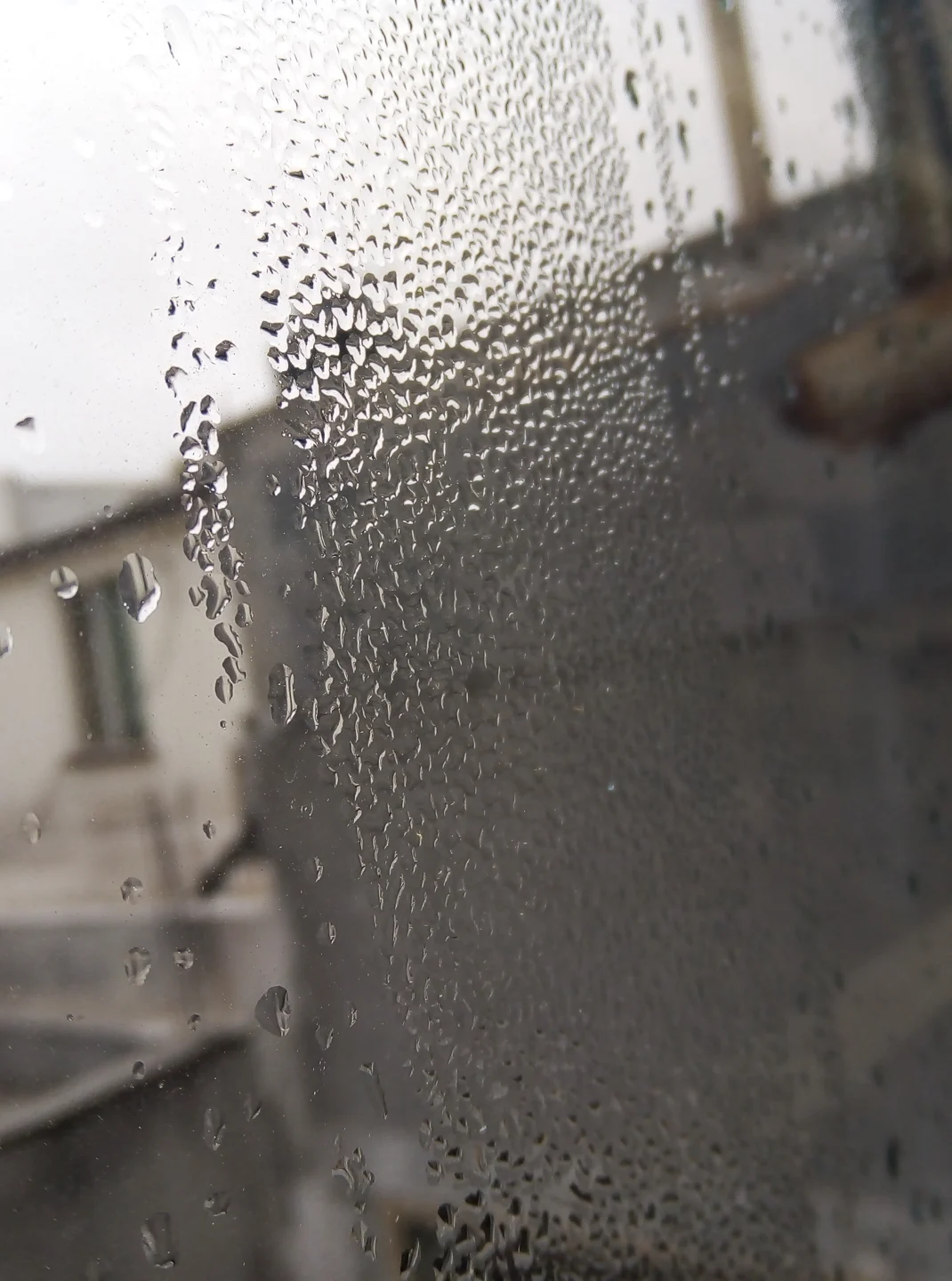
You pull back the curtain in the morning and find misted glass and droplets running towards the frame. First, wipe the water away and let in fresh air for a short while. Then find out where the condensation is: on the room side, outside or between the panes. Each calls for a different response. Glass cleaner can clean the window. The droplets depend on the moisture in the air and the temperature of the glass.
Why glass gets wet even when it hasn’t rained
The air indoors contains water vapour. When it meets a cold enough surface, droplets can form. Think of a bathroom mirror after a shower or a cold bottle straight out of the fridge. The same thing can happen on a window. The amount of moisture in the air and the temperature of the glass both matter. That’s why you may see more condensation in winter, overnight or in a poorly heated room, even if no water is getting in from outside.
Breathing, cooking, showering and drying laundry all add moisture to the air. Insulation, thermal bridges, ventilation and the way the building was built matter too. If the windows stay wet despite careful management, look at those factors as well. Focusing only on household habits can delay finding a more complicated cause.
First check which side the droplets are on
Wipe the room side with a soft cloth. If the mist clears, the water is on the inside surface. Look along the bottom edge, where the glass can be colder than in the middle and droplets may form first. Blot any pooled water and dry the sill without pushing water into the joints. Avoid makeshift scrapers and abrasive sponges. Follow the window’s care instructions, particularly for wood, seals and fittings.
If the window is misted outside and dry inside, the outer pane may have cooled enough for condensation to form. This can happen on well-insulated windows in certain weather and clear as the temperature changes. Watch whether the mist disappears during the day and avoid leaning out to wipe hard-to-reach glass. The direction a window faces and how much shade it gets can explain differences between windows.
When the mist is between the panes
If you can’t reach the mist from either side, it may be between the panes. Have a glazing specialist check a sealed double-glazed unit. Airing the room can’t remove moisture from inside it. Leave the glass in place and avoid drilling holes or putting any products into the joints. Take photos at different times and note when the mist appears so the specialist knows where to start.
Some windows have paired sashes and differ in construction from a standard sealed unit. Find the model, paperwork or manual before assuming all mist between glass surfaces has the same cause. A precise description helps. Water on the floor during heavy rain, a localised stain or marks by the wall need a separate check. Water could be getting in from outside, or there could be a drainage problem.
How to air a room without leaving the window open all day
Open one or more windows wide for a few minutes and, when conditions allow, create a cross-breeze. In winter, use roughly one to five minutes for a strong cross-breeze or five to ten for slower airflow as a starting point. Wind, outdoor temperature, window size and how much moisture you’re producing all affect the timing. Try doing it when you get up or after showering and cooking.
A window left ajar for hours can let heat escape and cool nearby surfaces without airing the room as effectively. If you have mechanical ventilation, use and maintain it as directed and keep the vents clear. Try to send warm, damp bathroom air outdoors when you can, instead of sending it into a cold bedroom.
Cut down on steam where it starts
Use the kitchen extractor as directed and check whether it vents outdoors or recirculates air. A recirculating hood filters smells and grease but leaves moisture in the room. Put lids on pans when the recipe allows and avoid leaving water simmering longer than necessary. After steamy cooking, opening the window wide for a short while can help more than leaving it barely open all afternoon. Keep this in mind if you’re using several rings at once.
Run the bathroom extractor or air the bathroom after a shower. If you dry laundry indoors, use a room where you can manage humidity and airflow, with space around the rack. Keep vents clear of furniture, curtains and boxes. These small changes give the vapour a way out before it spreads through the home and settles on cold surfaces.
What a hygrometer and a dehumidifier can do
A small hygrometer helps you track relative humidity alongside temperature. Put it away from direct heat, shower steam and cold glass so it reflects the room more closely. Write down readings before and after airing and compare mornings with evenings. Look at the pattern over time. A colder room may develop condensation in circumstances where a warmer one stays dry.
A dehumidifier can help remove moisture from the air, especially when you’re drying laundry indoors or ventilation is difficult. Follow the manual for where to place it, what temperatures it works at and how to run it. Clean the filter and tank as directed. Leaks, water ingress and building defects need their own repairs. If the glass is dripping every day, note how much water you see, where and when, before buying another moisture absorber.
When to ask someone to check
If you wipe and air the room but find a lot of water again each morning, or see recurring mould, damaged plaster or a persistent damp smell, look for the cause. Keep a short log with photos, temperature, humidity and what was happening in the room. It can help a technician and, if you rent, give your landlord a clear picture. Painting over a stain changes how it looks while the moisture underneath can still bring it back.
A few drops after a shower may clear when you wipe the glass and air the room. Persistent water or widespread damage deserves a closer look. Avoid applying silicone at random or blocking holes in the frame, which may be there to drain water. Find the wet side, dry it, deal with the steam and see what happens. If that doesn’t help, have the window and the room checked.
SOURCES AND FURTHER READING
Did this story touch your heart?

Share this story