Harry Potter at 25: why Hogwarts still feels like home
The first film arrived in 2001. Twenty-five years later, a fresh look at friendship, filmmaking and the details that keep inviting us back.
Jump to what you need
- A letter that makes the world bigger
- Hogwarts is a school before it is a spectacle
- Three friends with different strengths
- Magic also needs hands and materials
- Listen to the anticipation
- A story that grew from 2001 to 2011
- Celebrate without buying a new living room
- Now the story begins again on television
- Keep exploring Hogwarts!
A letter that makes the world bigger
Some films stay with us because of their ending. Harry Potter and the Philosopher's Stone has a special hold on us because of its beginning: the possibility that a cramped life might suddenly open into something enormous. In 2026 the first film turns twenty-five. The anniversary celebrates its original release on 16 November 2001; Italian cinemas welcomed it on 6 December. Different dates, the same invitation to take wonder seriously.
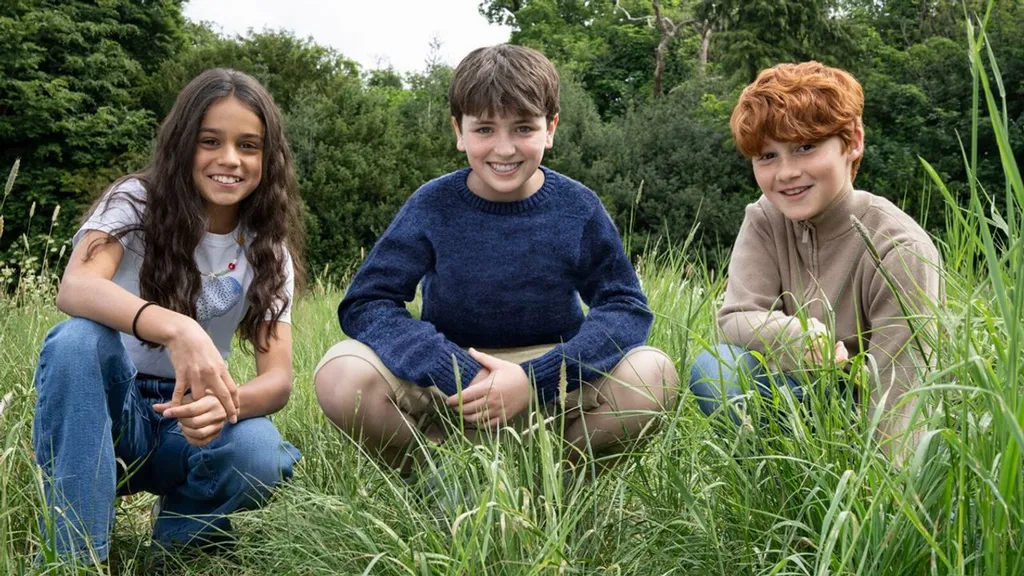
Directed by Chris Columbus, the film introduces Daniel Radcliffe, Rupert Grint and Emma Watson as Harry, Ron and Hermione. Watching it now brings a small surprise of its own: they really were children. Before the great confrontations come a suitcase, a new school and the very ordinary fear of not fitting in. You can be thoroughly grown up and recognise that feeling straight away.
Hogwarts is a school before it is a spectacle
Spells are only part of what makes this world welcoming. There is the classmate who talks too much, the teacher who makes you sit straighter and the subject that seems impossible. The setting is extraordinary, but the feelings are familiar. You need never have wanted a flying broomstick to remember what it was like to be new in a classroom.
For an anniversary viewing, try a conversation that goes beyond spotting mistakes. Each person chooses the moment when Harry starts feeling that he belongs. Agreement is optional. What matters is noticing what each of you reads as welcome: shared company, a small kindness, someone willing to stand beside you. It is a pleasantly practical way to talk about friendship without turning the evening into a lecture.
Three friends with different strengths
Harry, Ron and Hermione work as a group because their abilities are different. Treating them simply as a hero with two helpers misses much of the pleasure. Notice who sees a detail, who eases an awkward moment and who takes a decision. Real friendship also involves contributions that are useful without being particularly showy.
That makes the first film a rewarding starting point for adults introducing a child to the story. Afterwards, ask which quality they would borrow from each friend. Funny answers are welcome too. A specific choice usually starts a warmer conversation than an enormous question about the message of the entire film. Let children change their minds; it need not become an examination.
Magic also needs hands and materials
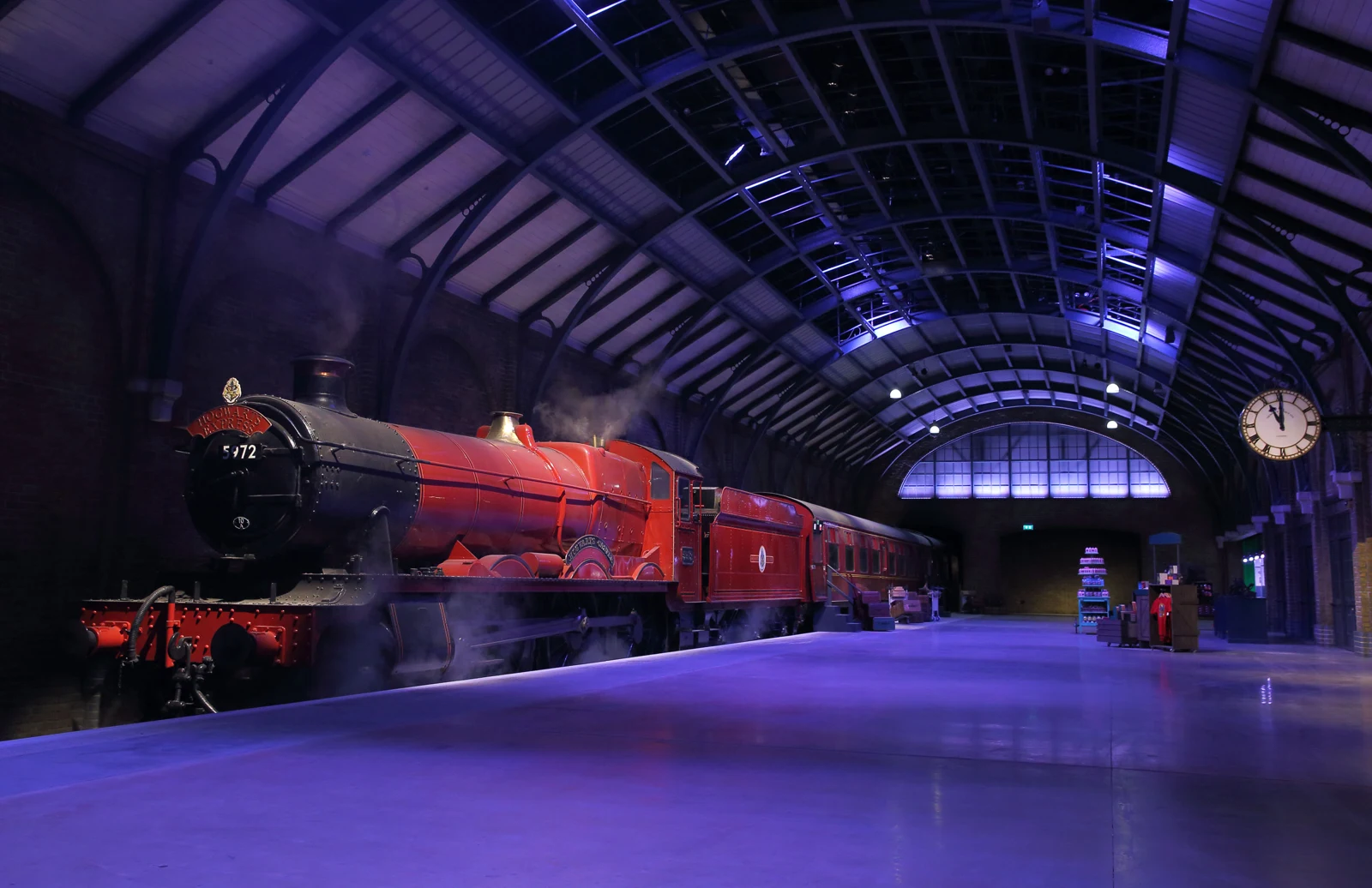
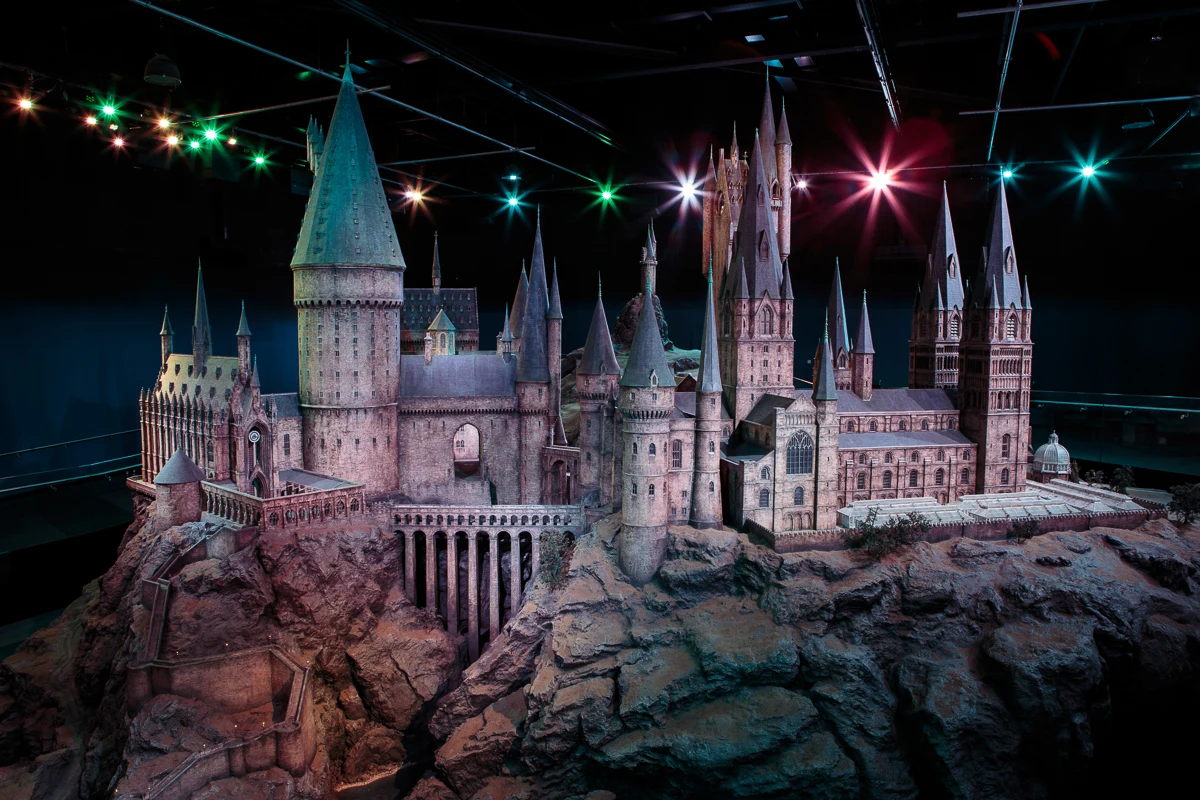
The world behind the image has its own fascination. Hogwarts' castle model was built for the first film, while the Great Hall had a floor of real York stone. Those two details make an appealing change of perspective: fantasy can feel inhabitable because people have thought carefully about surfaces, scale and objects.
You do not need to memorise every filmmaking job to enjoy that craftsmanship. On your next viewing, look at rooms before looking at the people inside them. Which place would make you lower your voice? Which seems ready to produce a surprise? Which would make you nervous? A setting tells its own story without waiting for a character to explain it. For a few minutes, imagine the task of making a room that an audience will believe.
Listen to the anticipation
John Williams composed the first film's score. A few notes can bring this world back to mind, but the interesting part is what happens to us as listeners: we prepare for a surprise before it has arrived. Music and pictures can make waiting for an entrance feel like an event of its own.
Try a simple experiment at home. Put the phone away and give the opening minutes your undivided attention. Familiar films easily become background company. Watching deliberately restores some of the rhythm we stop noticing, and helps us distinguish what the film gives us from the personal memories we bring to the sofa. Neither pleasure is less valuable than the other.
A story that grew from 2001 to 2011
The screen saga contains eight films and reaches its conclusion in 2011 with Deathly Hallows – Part 2. Its first chapter therefore offers a place from which to measure change. The characters grow, responsibilities become heavier and our own reading shifts. Someone who once concentrated on adventure might now spend more time thinking about the choices made by the adults.
There is no correct age for nostalgia, and your first viewing need not have been a perfect cinema occasion. Perhaps you found Harry on television, on DVD or in an improvised marathon with friends. Your private anniversary may differ from the public one. Cinema history gives the calendar a date; personal history keeps a room, a person or a particular season of your life.
Celebrate without buying a new living room
The first film, something good to share and a little unhurried time are enough. Make cards with questions of your own: which room would you explore, who would you want beside you on the first day, which lesson would you try? Nobody needs to purchase a costume to belong at the gathering. If someone is new to the story, save discussions of later revelations for another evening.
Another idea is to stay for the credits. Choose one department you usually overlook and find out what it does. That curiosity can lead to making a small object, drawing a room or imagining a costume. The anniversary then becomes an invitation to do something together, rather than merely recognise familiar things. There is plenty of room for people who cannot name every spell.
Now the story begins again on television
The HBO series returns to the books with new performers and a fresh adaptation. It is not a ninth film. Nor does a new version erase the screen journey that began in 2001. The two experiences share a starting point while using their own language. We can treasure the first interpretation we loved and remain curious about another one.
If you watch with someone discovering the film, let them choose a favourite moment before explaining yours. It is easy to fill a much-loved story with expectations, telling newcomers in advance where they should feel moved. A first-time viewer may notice something we now pass without attention. Try exchanging just two questions: what made you smile, and when did you wish you could be there? An unexpected answer can refresh our own viewing. Sharing nostalgia works better when it leaves space for another person's response. We can meet inside the same film without arriving from the same memories, or demanding that a younger audience recreate our childhood experience.
To prepare, revisit the original film with a question about feeling rather than exact duplication. What do you hope to experience again? Perhaps a friendship, an appetite for adventure or the excitement before a journey. Twenty-five years later, its most inviting question is still wonderfully simple: what makes us feel at home when we step into an unfamiliar world?
Keep exploring Hogwarts!
SOURCES AND FURTHER READING
Did this story touch your heart?
Psst… you’ll like this too!
Harry Potter’s real locations: a London and Oxford trip that feels like a Hogwarts letter
Read the story ↗Share this story