TODAY ITALY LIGHTS UP BLUE. CHILDREN NEED THAT LIGHT ALL YEAR ROUND!
On 20 November, World Children’s Day, UNICEF and ANCI bring children’s rights into Italy’s public squares through Go Blue. Behind the illuminated landmarks are everyday needs: learning, play, being heard and having a fair chance to grow.
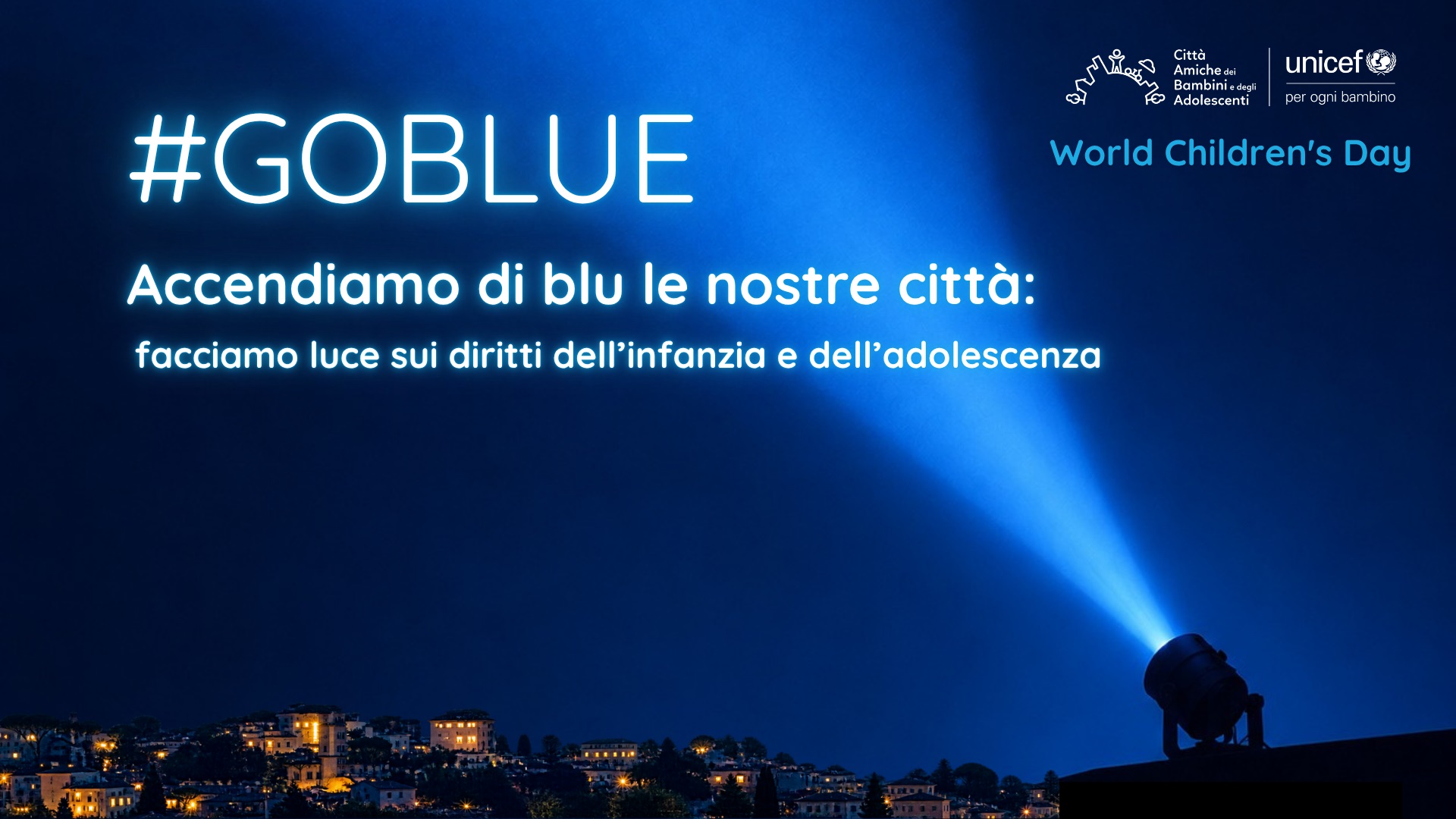
A familiar monument, a square you hurry through, your town hall. Then evening arrives and something changes: the building turns blue. On 20 November, that light is for the child carrying a schoolbag almost bigger than their back, the teenager who wants to be taken seriously, and those growing up with fewer opportunities than their peers.
Go Blue is the initiative organised by UNICEF Italy and ANCI, the National Association of Italian Municipalities, for World Children’s Day. By 18 November, almost 330 municipalities had already signed up. Small communities and major cities share a practical responsibility: giving children and young people a place in decisions affecting their lives.
Explore Go Blue, the participating municipalities and how to join.
Why 20 November?
On 20 November 1989, the United Nations General Assembly adopted the Convention on the Rights of the Child. In 2026, its thirty-seventh anniversary invites us to consider how we see young people. Children and teenagers have rights of their own, voices that deserve attention and needs that require a response.
Protection, education, play, healthcare and the opportunity to express an opinion can sound straightforward when written on a page. Bring them into an ordinary day and their meaning becomes clearer: attending school without being left behind, having somewhere safe to meet friends, finding an adult willing to listen to a worry from beginning to end.
Where Italy is turning blue
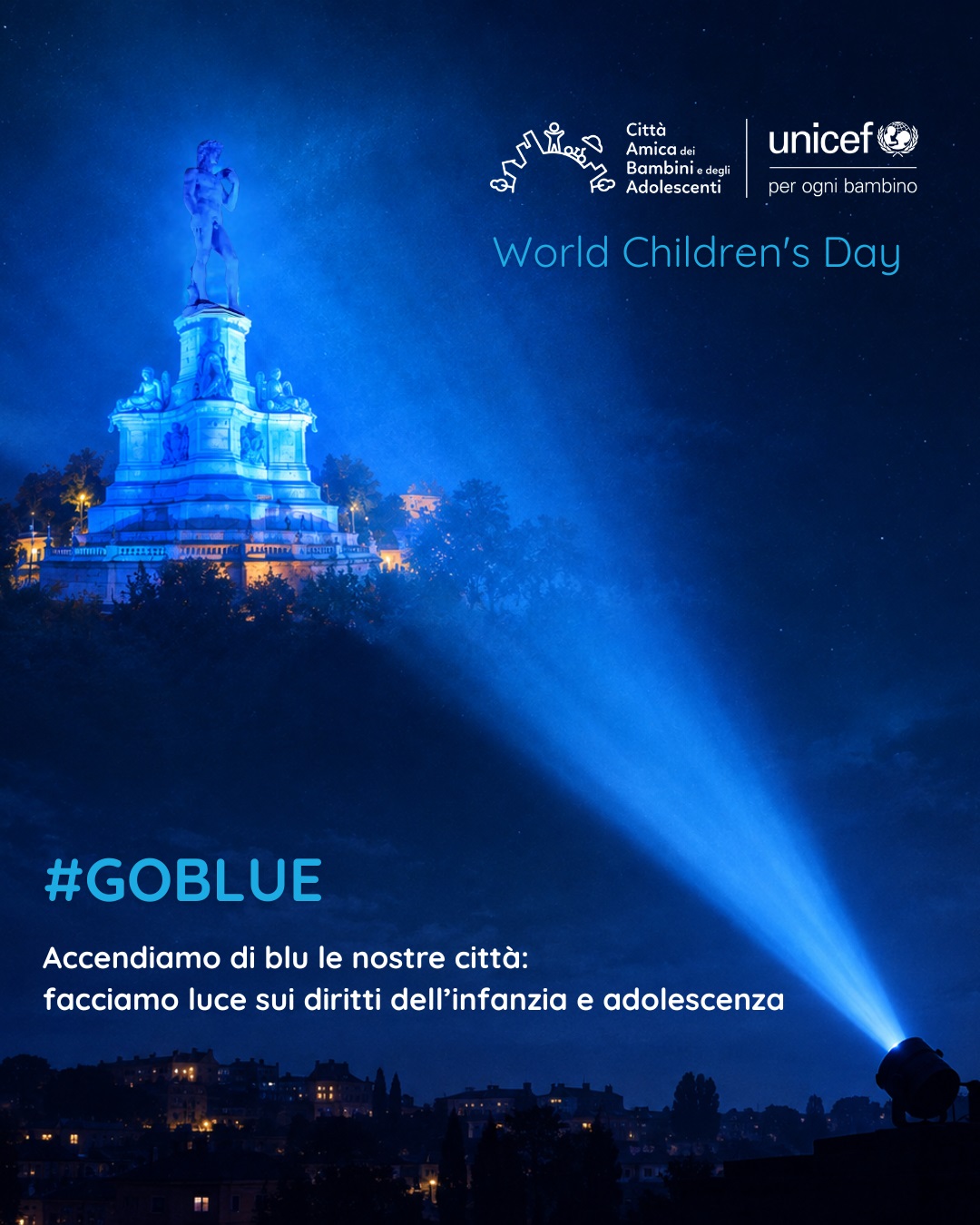
The municipalities announced on 16 November include Turin, Florence, Bologna, Venice, Palermo and Catania. In Lombardy, participants include Monza, Como, Brescia, Cremona, Lodi, Mantua and Pavia. The initiative also reaches beyond provincial capitals, with communities of different sizes choosing a symbolic place to illuminate.
The UNICEF map is updated progressively as municipalities join. Check your local authority’s channels for the chosen landmark and any associated events. Taking part in the same national campaign does not mean every town follows the same timetable or programme.
Blue makes a commitment visible. The next part concerns services, public spaces, educational opportunities and support for families. An illuminated square can make us pause. A community that takes children seriously must also help them move through it, use it and feel that they belong.
Milan and its surrounding communities
Milan’s World Children’s Day programme includes the 25th children’s rights march, “Piccoli Grandi Passi per la Pace”, organised for 19 November by UNICEF’s Milan committee and the city’s children’s rights guarantor. Its route runs from Piazza XXV Aprile to Sforza Castle. The local UNICEF programme also includes the discussion Nessuno arriva da solo on 20 November.
On 21 November, activities continue with Pigotta dolls in Canegrate and a Baby Pit Stop opening at a library in Busto Garolfo. For locations and participation details, check UNICEF Milan’s programme.
Real children behind the light
On 19 November, the UNICEF–ISTAT publication Storie di dati – I diritti dei bambini e degli adolescenti was presented at Italy’s Chamber of Deputies. On 1 January 2026, Italy had 8.6 million residents under eighteen, representing 14.6% of the population. Forty years earlier, in 1986, there were 13.5 million.
As children become a smaller share of the population, their place in collective decisions needs particular attention. Consider a library open after school, a park accessible to children with different needs, or an educational service that families can actually reach. Such decisions give a community’s commitment a practical shape.
One particularly difficult figure concerns poverty. In 2025, 12.5% of under-eighteens lived in absolute poverty, in households whose spending fell below the threshold needed for essential goods and services for a dignified life. Financial hardship can also mean missing opportunities to take part in activities with other children.
Support needs to preserve dignity. Discreet assistance, clear information about available services and an affordable activity can create opportunities without turning a family’s difficulties into a label. The way help is offered matters alongside the help itself.
Keeping the door to learning open
Between 2000 and 2025, early leaving from education and training among people aged 18–24 fell from 25.1% to 8.2%. That improvement shows why sustained investment in education deserves attention.
Learning difficulties remain. In the 2025/26 school year, 27.4% of pupils in the fifth year of primary school had inadequate literacy skills, while 36.7% lacked sufficient numeracy skills. These figures can identify where resources and support are needed. They do not define a child’s worth or determine what that child can achieve.
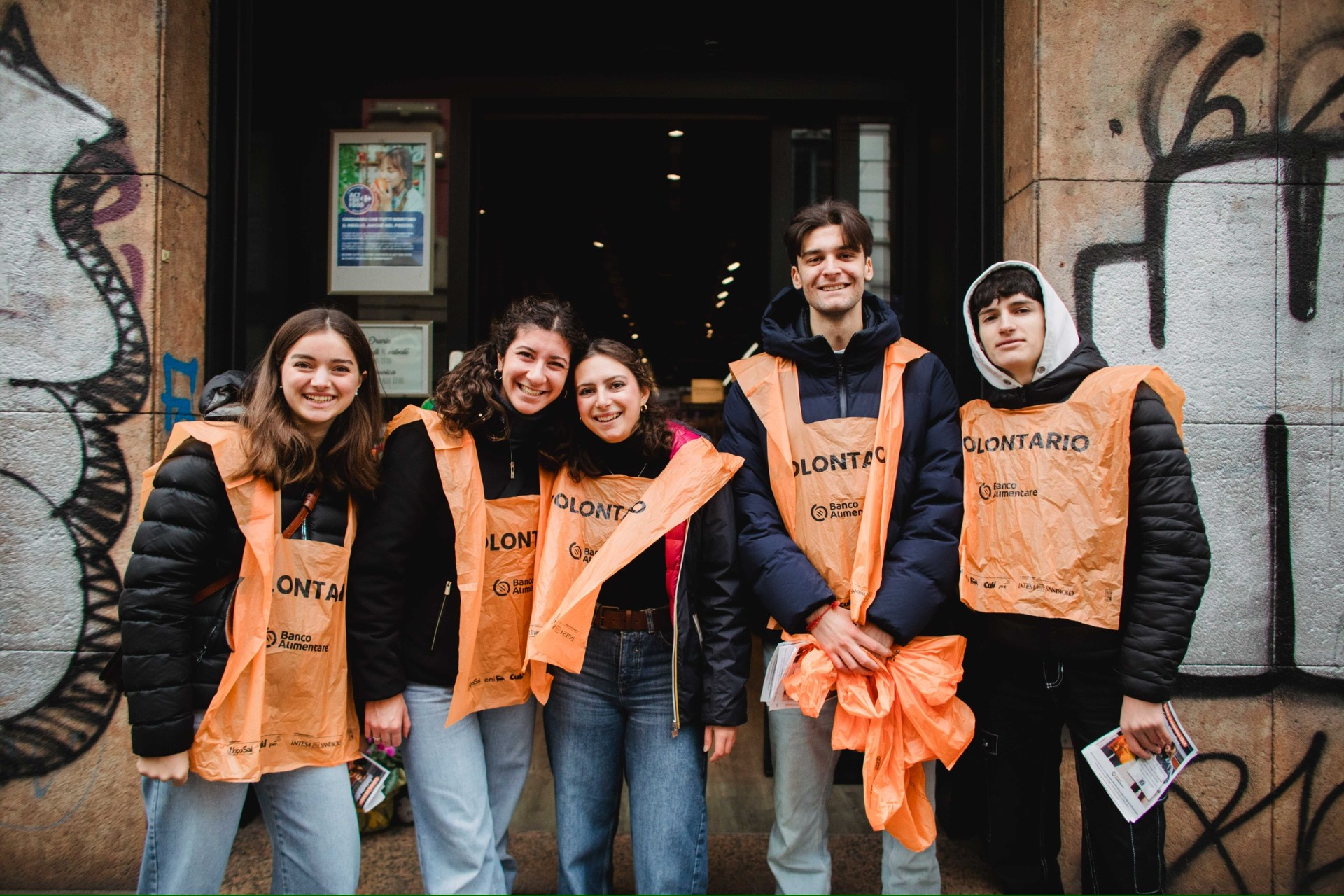
Homework clubs, neighbourhood libraries and organisations offering learning support can provide useful opportunities. Anyone considering volunteering can ask local organisations what skills they need and how much time volunteers should commit. Being dependable, week after week, can be a valuable contribution.
Listening starts in everyday conversations
There is a right we can take seriously today: the right to express an opinion and be heard. At home, in class, at a parish activity or in a sports team, we can ask what would help a child feel better and give them enough time to finish their answer.
With a teenager, that might mean hearing a concern without dismissing it with “when I was your age”. With a younger child, it might mean respecting a fear, explaining a decision in understandable words or making room for questions. Listening helps adults exercise their responsibilities with greater care.
We can show that care when sharing the day on social media, too. A photograph of an illuminated landmark can draw attention to the campaign while protecting children’s faces, names and personal circumstances. A message can be powerful while respecting privacy.
Taking part beyond the town hall
Local authorities can register by emailing cittamiche@unicef.it, naming their municipality and the landmark to be illuminated. After the event, they can send a clear photograph of the lighting, without people, between 500 KB and 5 MB. The campaign’s official page provides the full instructions.
Residents can invite their municipality to participate and share the campaign using #GoBlue. Families, schools and community organisations can use UNICEF’s materials to explore children’s rights together. Try choosing one right, asking young people what it means in their daily lives and identifying something that could improve in your shared environment.
Another option is to learn about local volunteering and projects through official channels. A useful contribution meets an actual need and fits the time or resources we can continue to offer. Starting with a clear conversation can make that commitment more sustainable.
When the blue lights go out
World Children’s Day gives us a striking image to share. The next morning, everyday questions remain. Who has someone waiting for them? Who needs help with schoolwork? Who is missing an activity because it costs too much? Who is trying to say something and still waiting to be heard?
For people of faith, this attention also connects with the Gospel and the place Jesus gives to children. It can become a prayer accompanied by practical availability: time to give, a door to open, someone to walk alongside.
Tonight, we can look up at the blue. Tomorrow, we can bring our gaze down to a child’s height and stay long enough to listen.
Watch UNICEF’s video about children’s rights
Source: CHIARA! Magazine · YouTube ↗
SOURCES AND FURTHER READING
Did this story touch your heart?
Share this story