Christian Attanasio: ‘The food collection lasts all year’
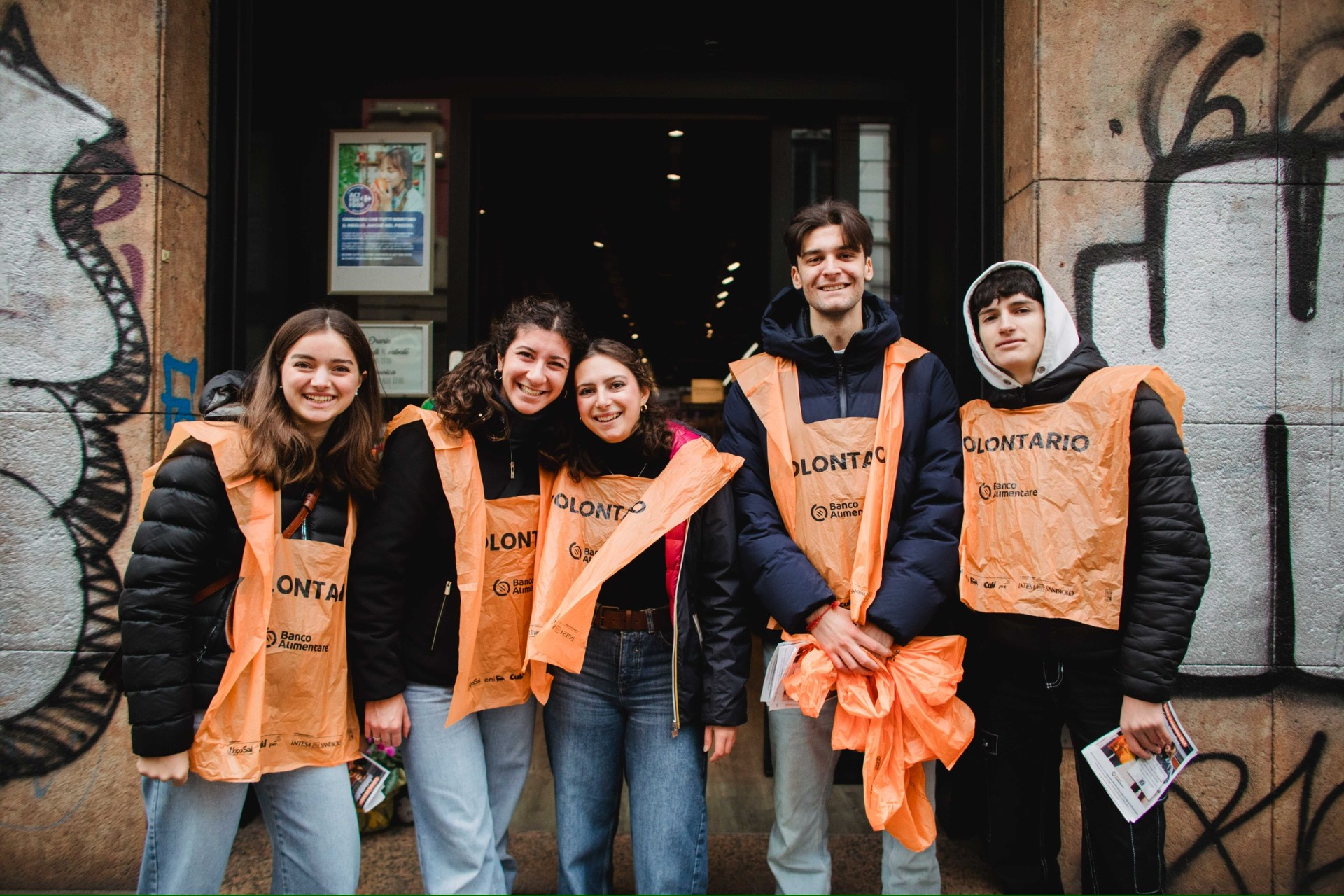
At 26, he welcomes supermarket shoppers, hands out orange bags and invites them to buy food for people in need. He began by watching his parents. Today, among the encounters he carries in his heart are older people who donate and apologise for being unable to give more.
Jump to what you need
- A shopping bag’s journey beyond the supermarket
- The smiles when they came home
- Once, he was the one receiving the bag
- In Collegno, welcoming other shoppers
- You don’t know their name. You can still help
- “Why would you spend your Saturday doing that?”
- The people who wish they could give more
- When the orange bib comes off
Some people apologise as they make a donation. They wish they could contribute more, put another item in the bag. Christian meets them during the Colletta Alimentare food collection: they are often older people, and their regret stays with him.
“I find it a deeply moving situation, one that really shows how much people care about helping.”
We ask him for a memory and he chooses this one. The wish to do something for others, even when what someone can offer seems small to the person giving it.
Christian Attanasio is 26 and volunteers for the collection in the province of Turin. Ahead of Saturday 14 November, he was preparing to help in Collegno, close to home. Over the years he has also volunteered in Turin and Nichelino. His story, though, begins earlier: with his relatives’ accounts and the smiles they wore when they came home.
A shopping bag’s journey beyond the supermarket
Organised by Fondazione Banco Alimentare ETS, Italy’s National Food Collection Day reached its thirtieth edition in 2026. The invitation to shoppers is simple: buy some food to leave with the volunteers for people facing hardship.
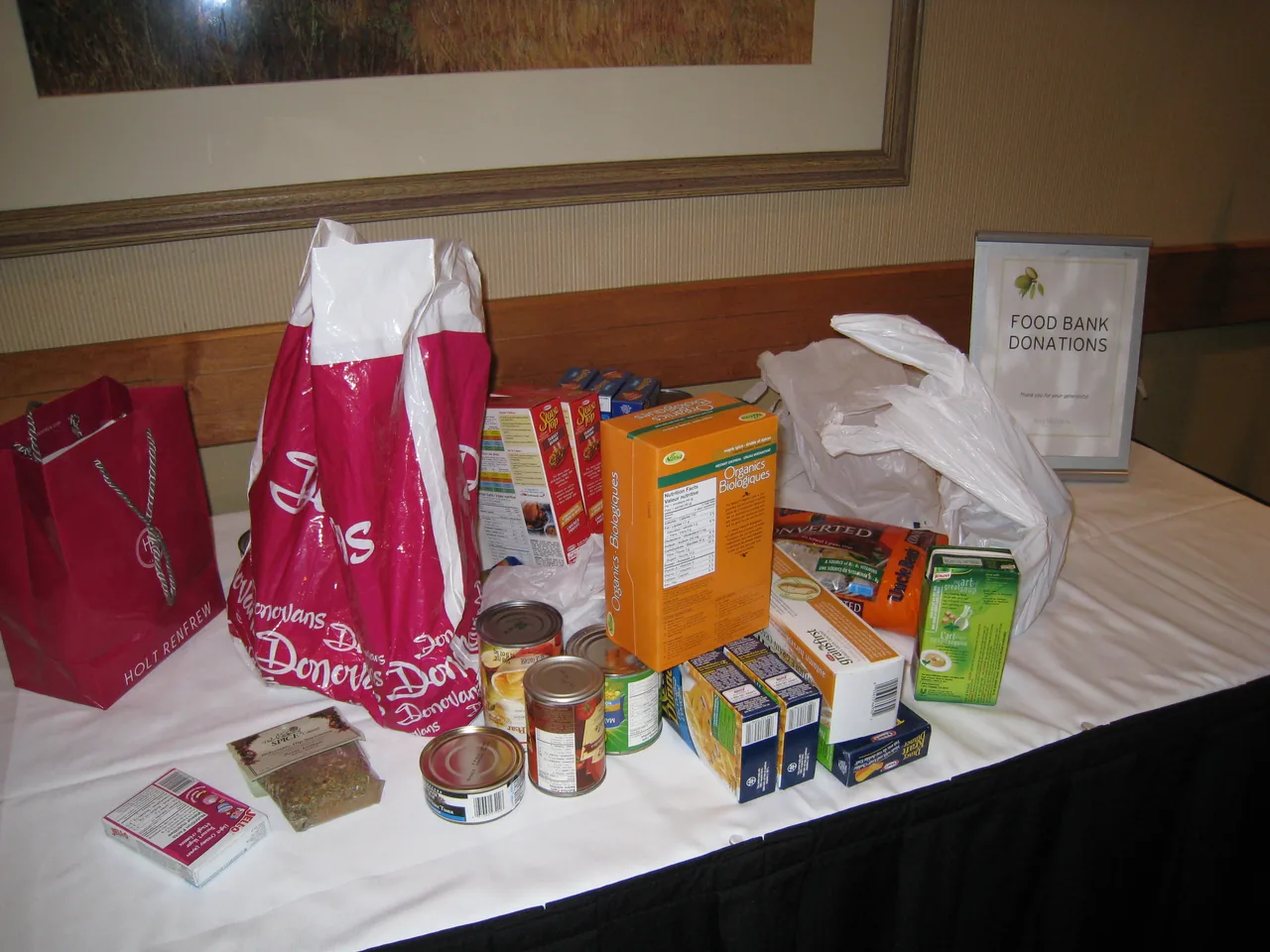
The items suggested for the 14 November collection included oil, tinned pulses and vegetables, preserved tomatoes, ready-made pasta sauces, tinned tuna, rice, and breakfast and snack foods. Long-life products that can be collected, sorted and distributed through the support network.
The bag handed over at the supermarket is the beginning of a journey. The food goes to Banco Alimentare’s local partner organisations: soup kitchens, family homes, residential communities for children, listening and support centres, and street outreach teams.
The network includes 21 regional Banco Alimentare organisations and more than 7,500 local partner organisations, which support over 1.7 million people facing hardship. These organisations know people’s needs and bring help into their everyday lives.
Plans for the thirtieth edition involved 12,000 supermarkets and more than 160,000 volunteers. Everyone wearing an orange bib brings a story of their own. Christian shared his with us.
The smiles when they came home
His parents have taken part in the collection for years. They taught him the importance of helping those most in need, both on collection day and beyond it.
Christian watched them come home and listened to what they had experienced. He also noticed how they felt after giving their time to others.
“What moved me was the smile on my relatives’ faces when they came home after volunteering, a sign of how much the gesture mattered. I didn’t think twice.”
His decision grew through the people close to him and an experience he could get to know through their stories.
“Moving to the practical side of the collection felt almost natural.”
First he listened. Then he chose to take part, bringing his time and learning the tasks. Those family smiles had made him want to discover what lay behind them.
Once, he was the one receiving the bag
There was another encouragement too: meeting the volunteers when he was doing his own shopping.
He remembers the kindness at the supermarket entrance, the welcome and the thanks after a donation. Brief encounters that left something with him as well.
“The kindness and the smile with which they welcome you at the supermarket entrance, and the thanks after you have donated, fill your heart with joy.”
Christian came to know the collection from both sides: through his family and through the volunteers inviting him to buy something to donate. By the time he decided to volunteer, he already knew how much that welcome could matter.
In Collegno, welcoming other shoppers
On the eve of 14 November, he explained what his role would be: standing at the entrance of a supermarket near his home, handing out orange bags and leaflets listing the suggested foods.
Over the years he has also collected donations and organised boxes. He knows both the encounter with a donor and the practical work needed to prepare the food for the next stage of its journey.
This time he was preparing mainly to welcome shoppers again. The very place where, before becoming a volunteer, he had encountered those smiles he still remembers.
For Christian, volunteering includes that too: how you speak to someone, the space you leave them to choose, and gratitude for what they can offer.
You don’t know their name. You can still help
The people receiving the food will probably never meet him. Christian may never know their names or their stories.
What does it mean to give your time to someone who will remain a stranger?
“I love using the word empathy.”
Then he explains: “We are all on the same side: the community is one, and everyone is part of it.”
It is an idea of community that includes people beyond our usual circle. People we do not spend time with, whose difficulties we may know nothing about, but who share our local area and the same possibility of needing help.
“What matters is the gesture, not exactly who it reaches.”
The collection turns that willingness into practical help. Christian gives his time; other people buy the food; local organisations bring it to the people they support.
“Why would you spend your Saturday doing that?”
We put a friend’s question to him: why spend your Saturday collecting other people’s shopping?
Christian would invite that friend to look around.
“Too often we are used to looking after our own little patch, without realising how close we are to people who, for one reason or another, have not had the same good fortune as us financially or when it comes to food.”
Giving that Saturday also means noticing. Pausing before a need that may be very close to your own life.
He would tell his friend that “a breath of kindness and love towards others can play a key role in the community”.
It is the kindness he received from volunteers and can now offer in turn.
The people who wish they could give more
Over the years, Christian has noticed a change in people’s reactions.
“As time goes by, fewer and fewer people respond in a hostile way.”
He remembers more suspicion in the past. Today, in his experience, the collection is better known and recognised.
“It makes you realise how much good has been done over the years to get to this point.”
Then there are the encounters that move him: older people apologising because they wish they could contribute more. They return in his account, with the wish to help that accompanies whatever they can donate.
Christian sees how much they care. That is what stays in his heart.
When the orange bib comes off
Banco Alimentare’s work continues throughout the year, including by recovering surplus food from production, distribution and catering: food still suitable to eat that is redistributed free of charge to organisations helping people facing hardship.
To learn about activities and contacts in your area, start with the Banco Alimentare website.
Christian, meanwhile, takes something home from the day that he wants to keep once his volunteering shift is over.
“So many memories, so many pictures I carry in my heart, and the wish to keep doing good, even without the bib.”
At the beginning of his story were his parents coming home smiling. Now he has memories of his own to share, and the wish to carry on.
“Because the collection lasts all year and is hidden in small gestures.”
SOURCES AND FURTHER READING
Did this story touch your heart?
Psst… you’ll like this too!
BUY ONE PANETTONE TO DONATE, GIVE TWO! MILAN’S PANETTONE SOSPESO RETURNS
Read the story ↗Share this story