A PIGGY BANK FOR YOUR WISHES: SAVING A LITTLE WITHOUT PUTTING LIFE ON HOLD
World Savings Day began in Milan in 1924. Today it leaves us with a practical question: which expenses make us feel good, and which keep leaving our accounts almost unnoticed?
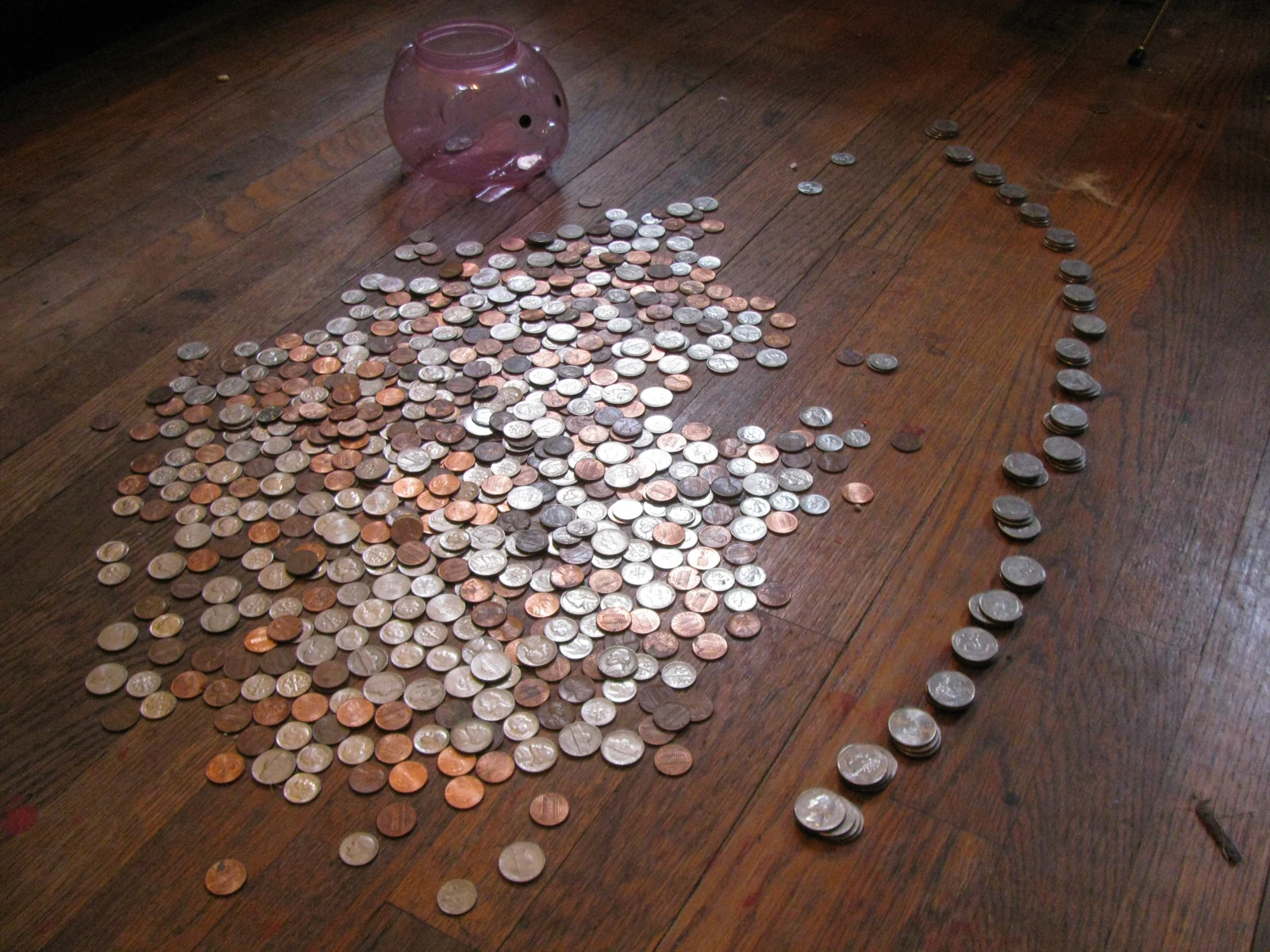
The online basket left open. A subscription renewing when you cannot even remember the last time you used it. Shopping in a rush, then finding an expired packet at the back of the fridge. Sometimes money slips away through small gestures that seem almost invisible on their own.
31 October is World Savings Day. We can use it to look more carefully, without turning a bank balance into a mark of our worth. Anyone struggling to reach the end of the month does not need to be told that simply skipping a coffee would fix things.
A story that began in Milan
The occasion has its roots in the first International Savings Congress, held in Milan in 1924. Its final day, 31 October, was chosen as a day devoted to saving. Acri's historical account brings together care for personal resources and responsibility towards the wider community.
In 2026, the Italian celebration of the 102nd edition took place in Rome on Friday 30 October, with the theme “Saving in a changing society”. The event date is therefore distinct from the date of the observance. The official video offers a chance to listen to the contributions beyond the day's headline.
Back at the kitchen table, the question becomes simpler: what can we do with the resources we actually have? A sensible answer begins there, without compulsory targets or comparisons with people whose income, expenses and responsibilities differ from ours.
Look before you cut
Start with an ordinary week. Write down what you spend, even on your phone, without correcting yourself as you go. Read it back afterwards: which expenses were necessary? Which gave you pleasure you still recognise? Which happened almost automatically?
You do not have to label every purchase good or bad. Breakfast out might be important time with a friend. A paid service may save time when you have very little of it. The aim is to recognise your choices, including the pleasures you want to keep.
First: give your wish a name
“I must save” can sound like a reprimand. “I'd like to put something aside for that course” is more concrete. It might be an appointment, a short trip or a buffer for an unexpected expense.
If there is room in your budget, choose a manageable amount and somewhere to keep track of it. You do not need to tell anyone or make it a public challenge. If there is no spare money this month, the goal can stay on paper without becoming another debt to yourself.
Second: let the basket wait
For a purchase that is not urgent, try waiting twenty-four hours. Save the item and close the page. The next day, ask whether you still want it, whether you already own something similar and when you expect to use it.
It gives you a little breathing room while the offer’s countdown keeps ticking. Tomorrow you may still want the item, or have forgotten it altogether. Either way, you have had time to think.
Third: start your shopping at home
Before making a list, open the fridge and cupboards. A ready-made portion, forgotten beans or an opened packet of pasta might suggest a meal and prevent a duplicate purchase. You do not need a perfect menu to make better use of what you own.
A short list based on what you will actually eat can be more useful than an offer that is good only on paper. Buy quantities you can manage: a discount loses its value when part of the product goes unused.
Fourth: check one recurring expense
Choose a single subscription or regular service and check its cost, use and terms. If it serves a purpose, keep it. If you do not use it, check how to cancel and when the change will take effect.
One item at a time makes the job manageable. Saturday morning does not have to become a marathon of forgotten passwords and contracts. Completing one small check is a concrete result.
Fifth: ask whether it could last longer
A button, a hem or simple maintenance. Before replacing an item, find out what repair would cost, or consider swapping or buying second-hand. Sometimes it makes sense and sometimes it does not: safety, time and the item's actual condition matter.
It is particularly worth rediscovering what you already enjoy using. You do not need a new organiser to start tracking expenses. A half-used notebook or a note on your phone may be enough.
What we can share
In a magazine that keeps God at its heart, talking about money also means asking what room we leave for others. Financial help, when possible, matters. So do a lift, an hour of your time or a useful object passed to someone who needs it.
The day can end with one small choice: checking an expense, using what we have or giving a wish a name. There is no promise that everything will fall into place. There is the more tangible satisfaction of having looked at one part of our lives with greater attention.
Source: Acri ↗