IS THERE ROOM AT YOUR TABLE FOR SOMEONE WHO CANNOT INVITE YOU BACK?
You are counting chairs. You have decided what to cook, checked everyone’s food preferences and told the group when to arrive. The list is nearly ready. It feels lovely to imagine an evening together and the people around your table.

In the Gospel, during a meal, Jesus says something that unsettles this familiar planning. He invites us to make room for people who cannot return the invitation. A question enters the kitchen alongside the recipes: how much space do we leave for an encounter from which we expect nothing in return?
Jesus notices who is missing, too
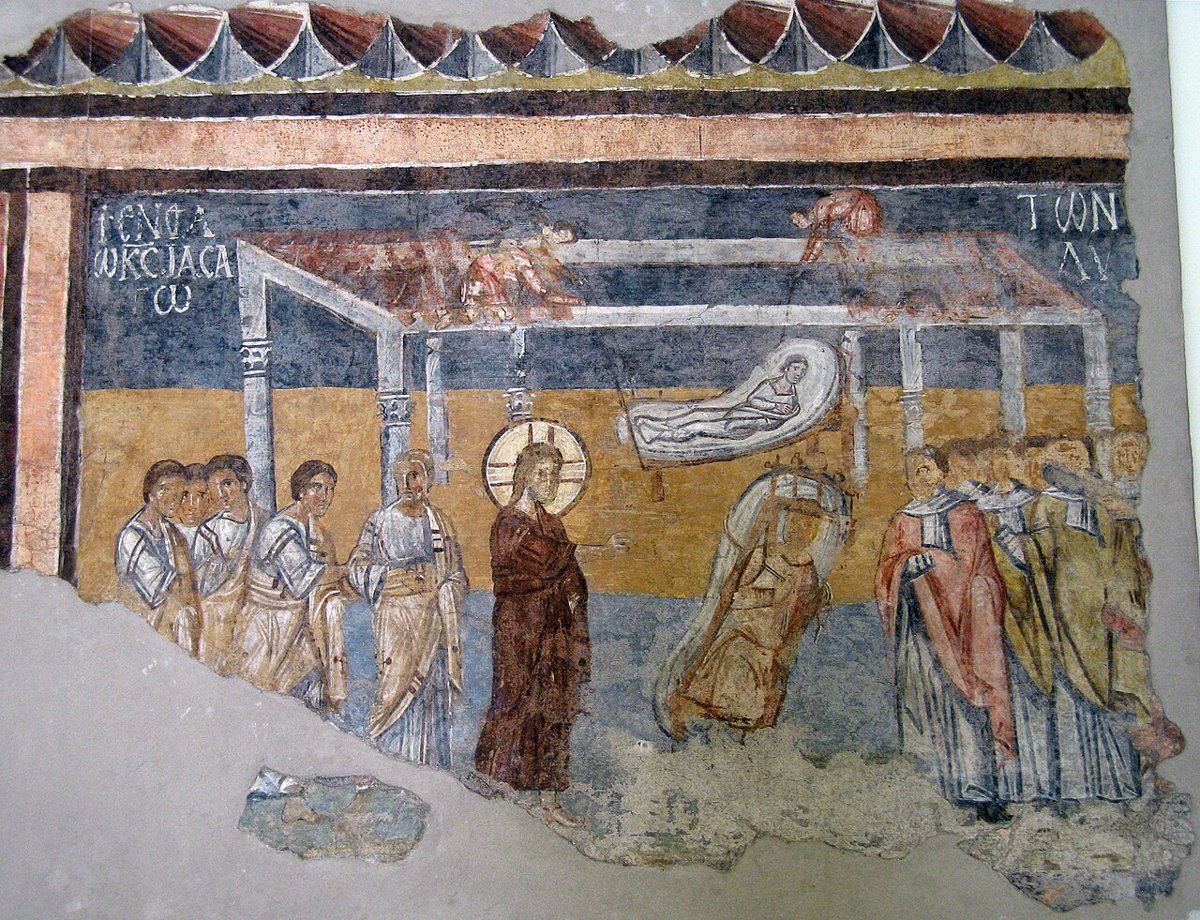
In Luke 14, Jesus is at the house of a leader of the Pharisees. After speaking about choosing places, he addresses his host. In verses 12–14 he contrasts invitations based on possible repayment with welcoming people who are poor and vulnerable.
He is not drawing up a ranking of friends to keep or remove. He challenges reciprocity when it becomes our only criterion: I seek you out because you can invite me, help me or introduce me to the right circle. The Gospel looks beyond that loop.
Christian generosity does not need to turn a guest into someone permanently in our debt. The point is not to host a dinner that proves how generous we are. It is to meet someone entitled to be there, with a voice of their own.
Step outside the usual circle sometimes
Exclusion often happens without an explicit decision. We invite people we know, people who answer quickly, people nearby. A newcomer never gets into the conversation. Someone with less money stops joining in. Eventually we assume they simply do not want to come.
You can notice this without turning every evening into a complicated project. Ask whether the venue is accessible, whether the cost is a burden or whether someone needs a lift. Offer a direct invitation instead of relying on a group message where that person rarely speaks.
Welcome also includes freedom to decline. A no is not ingratitude. It may mean tiredness, a wish for privacy or simply other plans. Hospitality allows someone to be a whole person, rather than the recipient of our programme.
Your home does not need to pass an exam
Perhaps you postpone because the kitchen is small or the living room looks nothing like the photographs. A welcoming table is not measured in matching dinner sets. A simple meal can offer time to get to know one another.
Say naturally what you can prepare, ask about dietary needs and choose a time together. Care often appears in these details. You do not need to exhaust yourself to prove that an invitation matters.
If you cannot host at home, there are other places: a parish gathering, an accessible walk, a coffee that does not cost too much. The forms vary; the question of who actually finds a place remains.
An encounter is not a photograph to show off
You do not need to tell others about your guest’s financial difficulties, or publish a story presenting them as proof of your goodness. Privacy belongs to welcome, even when our intentions are affectionate.
An evening may leave an interesting conversation, a recipe to exchange or a wish to meet again. People bring something even when they cannot repay us materially. We cannot know beforehand what listening to them will teach us.
Before sending the last message, look at the list again. Perhaps there is a name you had not considered. Write without enormous promises: we are having lunch together on Sunday; would you like to join us? Then let the encounter begin with a freely given answer.