Why foundation goes patchy and how to fix it
Fix patchy foundation without taking off all your make-up. Find out what to do when your base separates, pills or catches on dry patches.
Before touching up, see what’s happening
Foundation looks patchy when coverage is uneven. Some areas are almost bare while others hold too much product. Your base might separate as the day goes on, collect around the nose, pick out flakes or roll into little balls as you apply it. Get close enough to see the affected areas in good light, then step back before judging the whole look.
Small balls that move when you brush them with your fingers may be product rolling up, often called pilling. Shiny spots with gaps in coverage can mean the base has separated. Skin flakes look different again. Make-up alone can tell you little about the condition of your skin, but it can help you decide how to touch up. Does the area need more even coverage, or is there already too much product? Adding more can make a build-up worse.
Give your skincare time to settle
Foundation can pick out uneven texture when the skin is very dry. A rich film of cream can also make some bases move more easily. Next time, keep the prep simple. Cleanse gently, apply an appropriate amount of your usual moisturiser and let it settle. Five new layers make it harder to work out which step is causing trouble.
Keep using your daytime sunscreen as directed on the pack. Give each layer time to spread and settle before applying the next. How long that takes depends on the product and how much you put on. If the problem keeps happening, simplify the rest of your prep and test one change at a time. Keep the recommended amount of sunscreen and look for a foundation or application technique that works better with it.
Start with less foundation
It’s easy to add another layer all over just to cover one small patch of discolouration. That can leave a thicker layer around the nostrils, along the jaw or in creases. Start with a small amount, blend it well and add a little only where you want more coverage. A polished look can still show your skin.
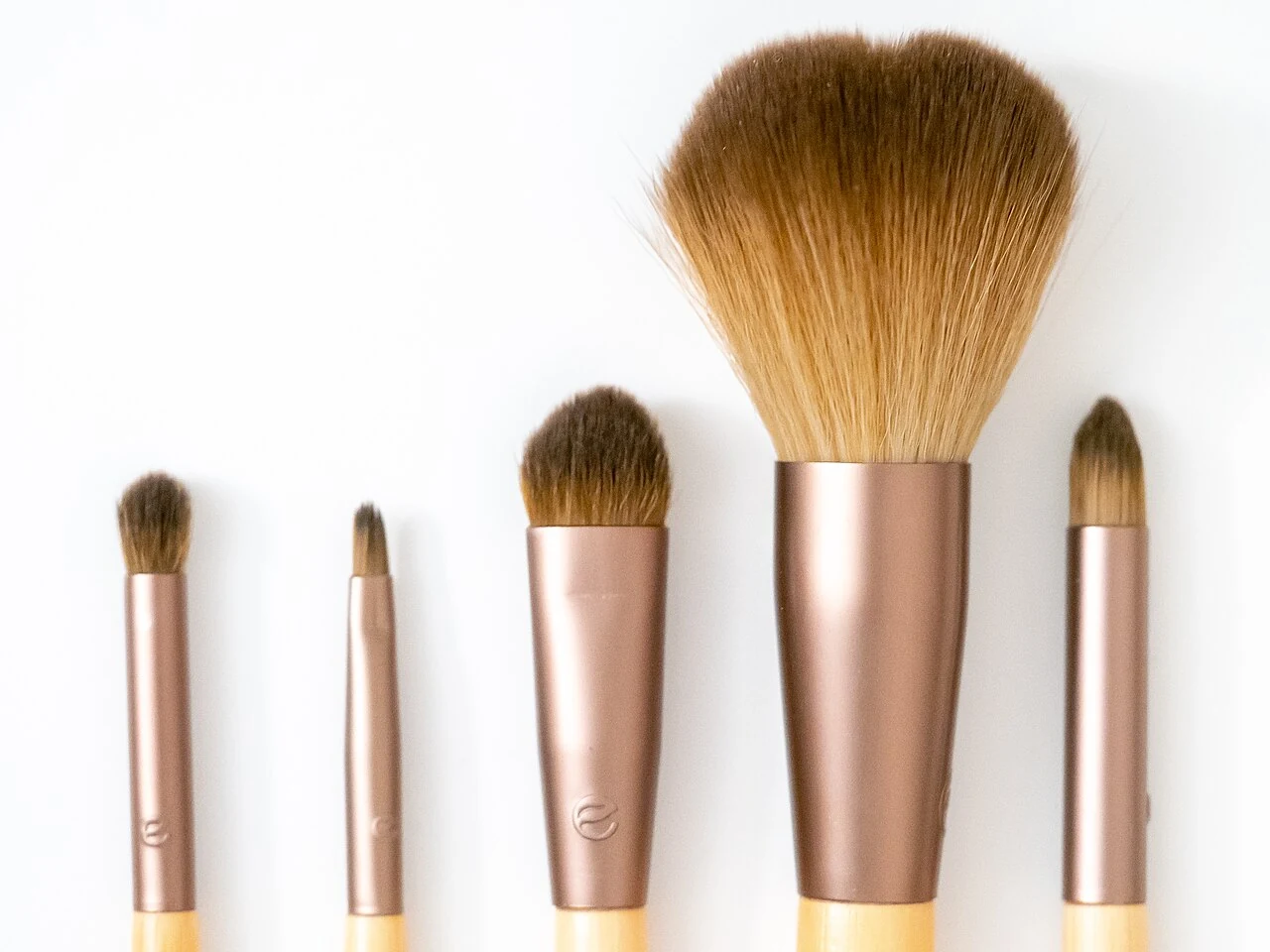
Tools matter, too. A brush with yesterday’s foundation in it makes the amount harder to control. A soaking sponge can leave water on the surface. Start with clean tools and squeeze out the excess if the sponge is meant to be used damp. Check the sides of your face, your hairline and the point where the base meets your neck. A patch there may just need a little more blending.
First fix: stop adding and take off the excess
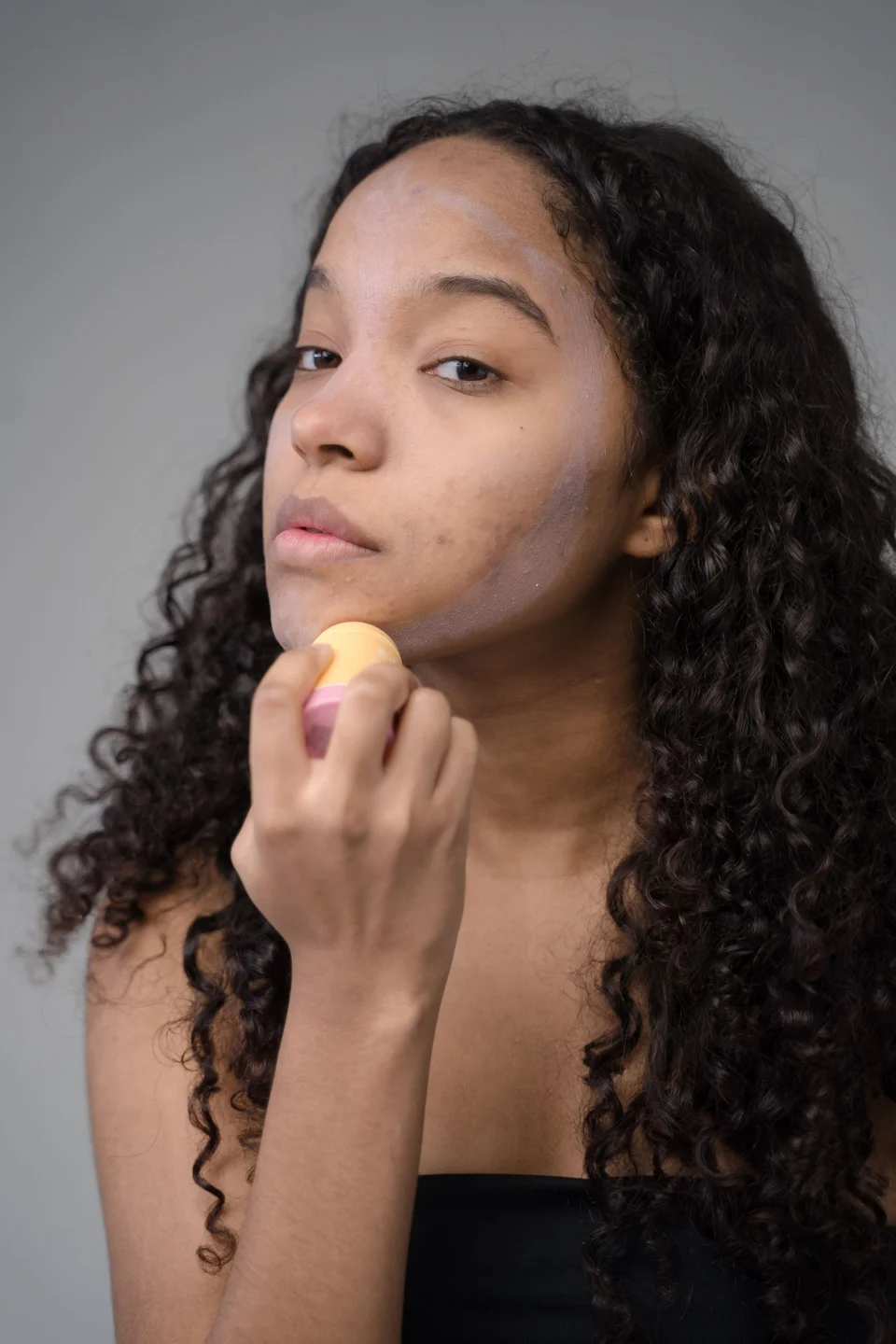
To fix the base without starting over, put the foundation down for a moment. Take a clean, barely damp sponge with the excess water squeezed out, or use a tool suited to your formula. Tap lightly over the uneven area to redistribute and lift excess product. Avoid scrubbing back and forth, particularly if you have several layers underneath. Try a small area and see how it looks before carrying on.
This works best before you set the base with powder. If you’ve already applied several layers of powder, take extra care. Repeated wetting and blending can make a paste. If a spot still sits thickly or lifts, redo that small area. You can keep the rest of your make-up in place and fix the spot that needs it.
If the area is shiny
If the base has moved on a shiny spot, blot the surface with a tissue or facial blotting paper. Press it on and lift it off without dragging. Check how much coverage remains. A little powder right where you need it may be enough if the colour is still fairly even. If there’s a bare patch, tap on a tiny amount of foundation and let it settle before powdering. Too much powder can make an already heavy patch more obvious.
You can keep a glow on your cheeks while toning down shine through the centre of your face. Use a small brush to control the amount around your nose or on your chin. Skip the cycle of foundation, powder and more foundation every time you check the mirror. Look first. Often the colour is still there and just needs moving back into place.
If you see flakes or little rolls of product
A dry brush can make flakes more visible. Leave scrubs for another time and avoid picking at your skin. If foundation has gathered a little, gently even it out. If there’s a thick patch, lift the excess from that spot. Give very dry or irritated skin a break from repeated blending. Next time, try a formula that suits your preferences and your skin. Skin care can help address what the make-up is sitting on.
If you see little rolls of product, stop rubbing. Gently remove the bits that have already come loose and check the surface before touching up. Next time, look at how much you use, what you layer and how long you wait between steps. Matching products just because both are described as water- or silicone-based is a shortcut. The full formula and the way you apply it matter as well.
A simpler routine next time
If it keeps happening, notice when it starts. Is it just after moisturiser, while you apply foundation, after powder or at the end of the day? Change one thing at a time, like the amount of foundation or the way you blend it, and see how it wears in your usual routine. Follow the directions, particularly for a fast-drying formula. Aim for a finish you like and can go about your day in without stopping to fix it.
SOURCES AND FURTHER READING
Did this story touch your heart?
Share this story