GOD, WHY DON’T I LIKE MY BODY?
It was a lovely photograph: your friends, warm light, an evening worth remembering. You immediately zoomed in on one detail and asked for another picture. In the second, you found something else to correct.
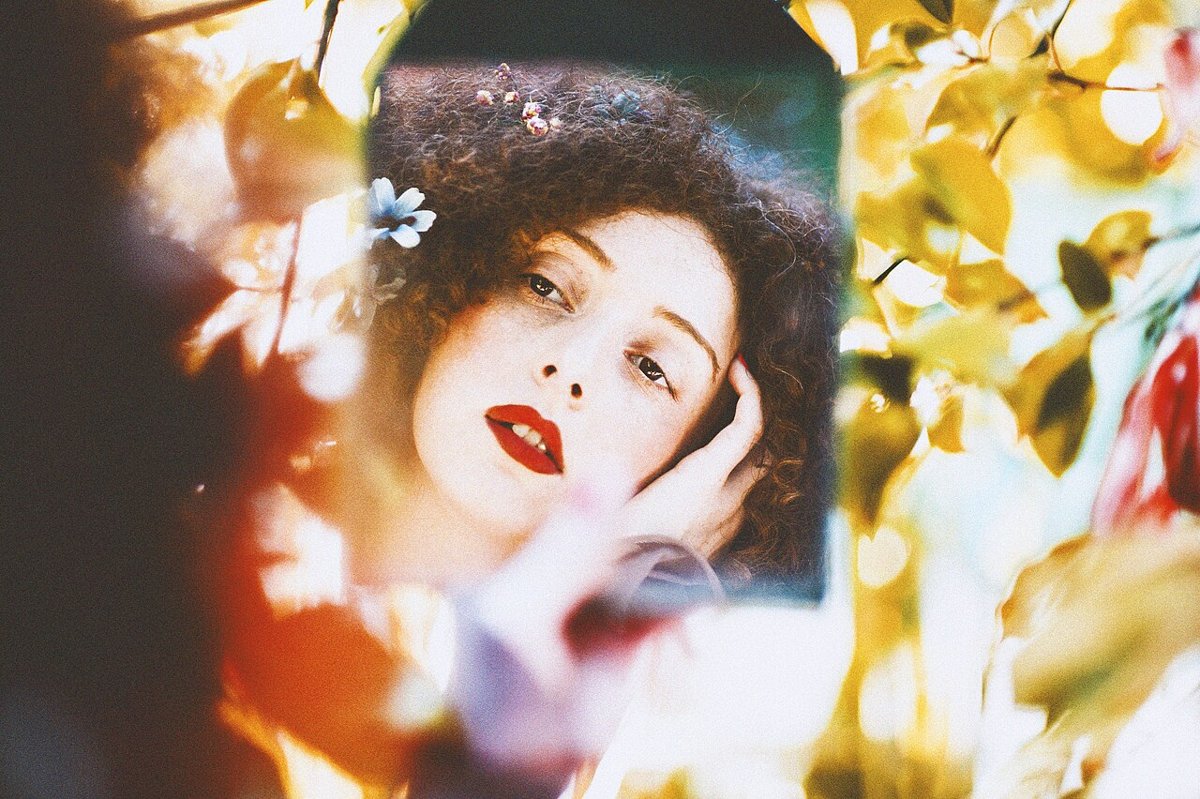
Some days the body seems to come before everything: your voice, your abilities, even the joy of being there. ‘But you are beautiful!’ may not reach the painful place. You wonder: God, if you wanted me, why is looking at myself so difficult?
This question belongs in prayer too
You do not have to approach God already at peace with every inch of yourself. Bring the discomfort, constant comparisons and tiredness of feeling watched. Bring the embarrassment of mentioning it when other problems seem bigger.
Pain about self-image is not trivial because it involves a mirror. Measuring how grateful you ought to feel will not solve it. There may be a long history of comments, physical changes, illness, age and automatic comparisons.
Prayer can begin simply: today I look at myself harshly and do not know how to stop. This is not a formula for instant calm. It is a way of no longer hiding part of your life.
Your body has dignity even when you dislike it
In paragraphs 362–365, the Catechism describes the person as a unity of body and soul, recognising the body’s dignity as God’s image. It is not an unimportant wrapping around a spiritual part. It concerns the whole of you.
This does not require you to enjoy your appearance every day. Dignity does not depend on this morning’s judgement. It remains when you feel undesirable, notice a scar or struggle to accept a body changing quickly.
In Psalm 139, the believer marvels at being known by God. We can sit with those words without turning them into a command to feel wonderful. Gratitude may grow slowly; we need not pretend to feel a religious emotion.
Care without becoming an endless improvement project
Clothes, make-up, movement and appropriate care can belong alongside faith. Fashion can be pleasure and expression. The question arises when every gesture becomes a test of your right to be seen.
Notice conversations that leave you feeling worse, images that fuel comparisons and bodily comments presented as concern. You can explain that certain judgements do not help, and choose people interested in your life as well as your appearance.
Christus vivit observes how image culture can connect beauty with youth. That pressure crosses different ages and reaches beyond heavy social-media users.
Faith can accompany asking for help
If concerns about your body occupy much of the day, make you avoid relationships or involve distressing eating behaviours, you deserve qualified support. Speaking to a healthcare professional is not a spiritual failure. Prayer can accompany that journey without replacing it.
Today we are not asking you to love a photograph. You might keep it because it records an evening with friends. Look at their smiles too. Remember that you were there, with a voice, a story and relationships.
God, help me treat this body respectfully even when I cannot look at it tenderly. Let me meet people who can listen. Walk with me as I learn to take my place without waiting to feel perfect.