Self-defence in Turin: questions to ask before signing up
Curious about a self-defence class? Start with a Turin centre and ask about instructors, trial sessions and respect for your boundaries.
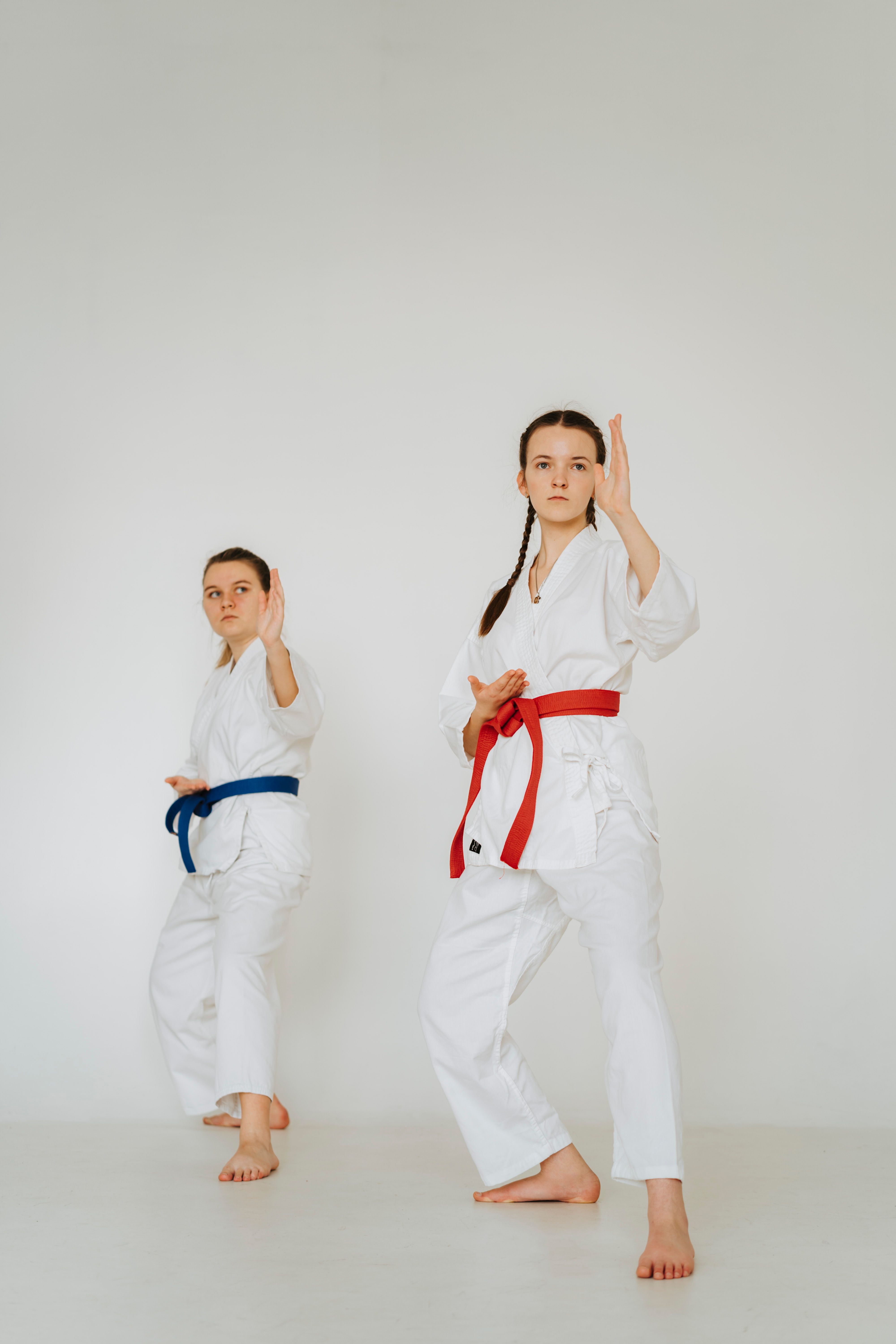
Entering a gym for the first time can take courage before you even cross the threshold. Where do I put my bag? Will everyone be more experienced? What if I cannot do it? With self-defence, other, more personal questions may join them. Perhaps you are curious about a new activity. Perhaps you want somewhere to learn without feeling judged. You do not need a story to tell to deserve being heard.
Curious about a self-defence class, but want to know what actually happens before signing up? Let’s start with a Turin address and some questions for the instructor. A first visit should give you time to get to know the place and decide whether you feel comfortable.
The Turin starting point
In Turin, FDKM lists Club Pacchiotti at Palaginnastica, Via Giacinto Pacchiotti 71, with classes on Mondays and Wednesdays from 9 to 10 pm. Contact the centre before going to confirm times, availability and arrangements for a first visit.
An earlier free initiative on 28 and 30 September also remains online. Those dates have passed and must not be mistaken for a current offer. This small detail matters: a flyer found through a search can stay visible long after the timetable has changed.
You can arrive with curiosity, rather than a justification
Sometimes we imagine that trying something new requires an enormous motivation, a final decision or a very confident version of ourselves. You can begin more simply. Do you want to understand what happens? See the environment? Observe before joining in? These are reasonable requests to make to reception or the instructor.
A first lesson does not have to become a test of character. Asking, considering and even deciding to look elsewhere are part of choosing. Your time deserves a setting where information is clear and you can understand what you are agreeing to.
Questions to ask before enrolling
Start with the basics: who is the group for? Are there beginners? Which discipline is taught, and what happens during a lesson? Ask the instructor’s name and training background, and who can answer any concerns. Find out whether a trial is offered and what it includes, without assuming it is always free.
Ask about costs, required documents, membership and insurance coverage, and how renewals work. Written terms give you time to consider them calmly. A willingness to answer questions is already an important part of the experience you are choosing.
Contact should be explained. Boundaries should be heard
Before partner work, ask how physical contact and ways to stop an exercise are explained. You can say that something makes you uncomfortable or that you want an explanation first. We consider this essential when choosing: your request to stop must be understandable and respected.
You do not have to disclose personal experiences to the group to assert that boundary. Nor should it become a contest over who can tolerate the most. Notice how questions are received, mistakes corrected and beginners supported. How someone teaches matters as much as the course title.
A class does not make women responsible for preventing violence
One thing deserves saying plainly: responsibility for an assault belongs to the person who commits it. It does not depend on whether someone attended a gym, was strong enough or reacted in a particular way. Enrolling in a class must never become a condition for deserving safety and respect.
If you want to try, look for a class where you can learn gradually and ask questions. Techniques need a qualified instructor, practice and care; no course makes anyone invulnerable.
If you want to try with your daughter or son
Sharing a new activity may sound appealing, but listen to what the young person wants too. Ask whether the current course accepts minors, under what requirements, in which group and with what parental presence. Conditions for an earlier event do not automatically apply to every new enrolment.
Before deciding, you can discuss it without making fear the only reason. What interests us? What would we like to know? Shall we observe a lesson together? It can be a practical conversation where hesitation has a place and nobody has to prove they are ready.
Notice how you feel when you leave
After the first meeting, allow yourself time to reflect. Did you understand the explanations? Feel free to ask questions? Know how to stop? Want to return? You need not confuse novelty with an obligation to continue, or decide everything while someone hands you a form.
You may have lots of questions on your first visit. You may simply want to watch. That is fine. Before returning, ask yourself whether you found someone willing to explain and listen. Feeling comfortable matters from the moment you step through the door.