Paper, boots and sweet shapes: Christmas 2026 looks different!
Foldable paper trees, playful little objects and sweet-shop shapes: bring the season's details into the home you love.
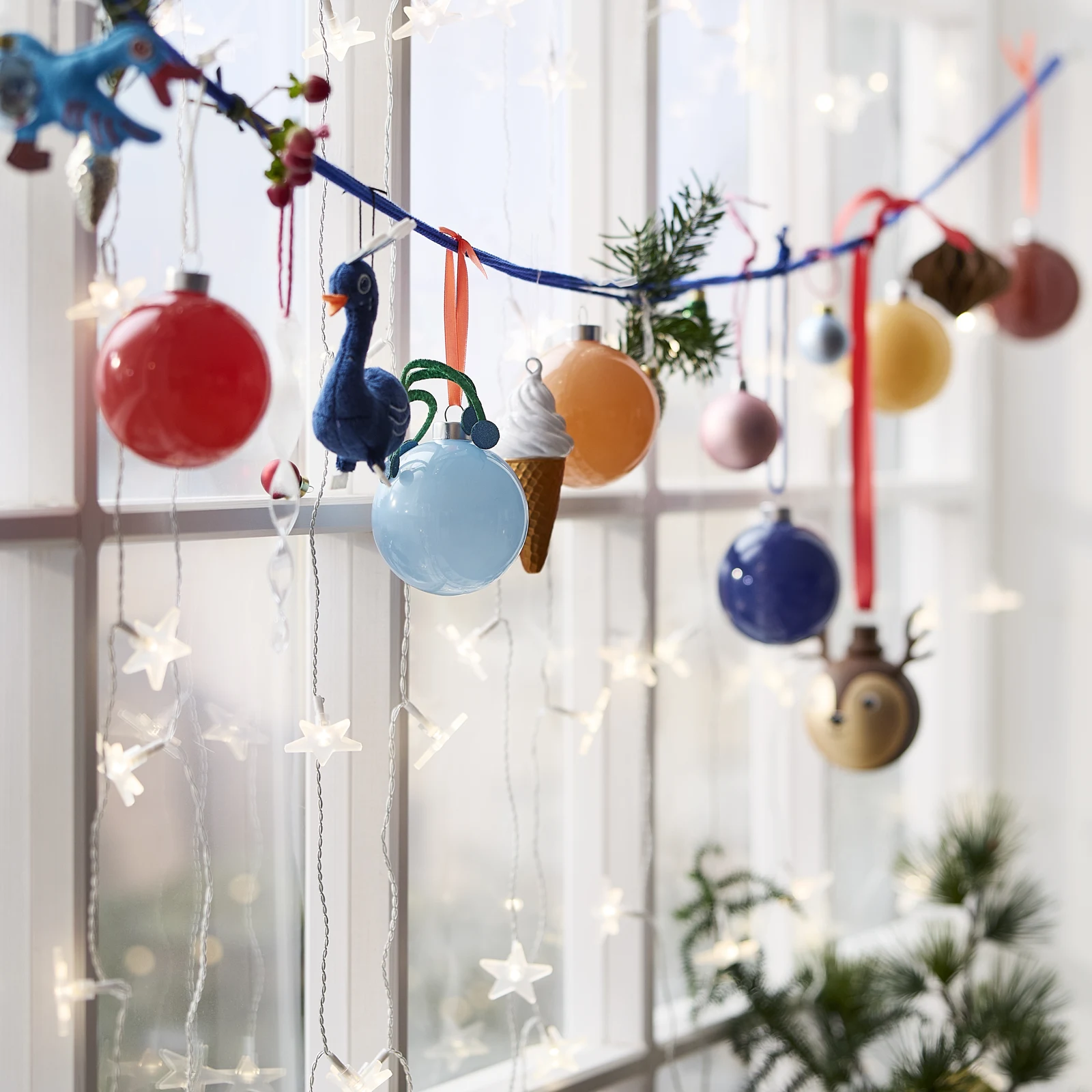
Open the decoration box: this year, family baubles have cheerful company in sculptural paper trees, graphic garlands and candleholders that make you smile. Christmas 2026 plays with familiar shapes, from little boots to ornaments that look as though they belong in a sweet shop. To refresh your arrangement, choose one new focal piece and repeat its colour in two details you already own. That small connection gives the room character while leaving space for memories, much-loved objects and the things you will be pleased to unpack again next year.
Paper becomes a piece of the room
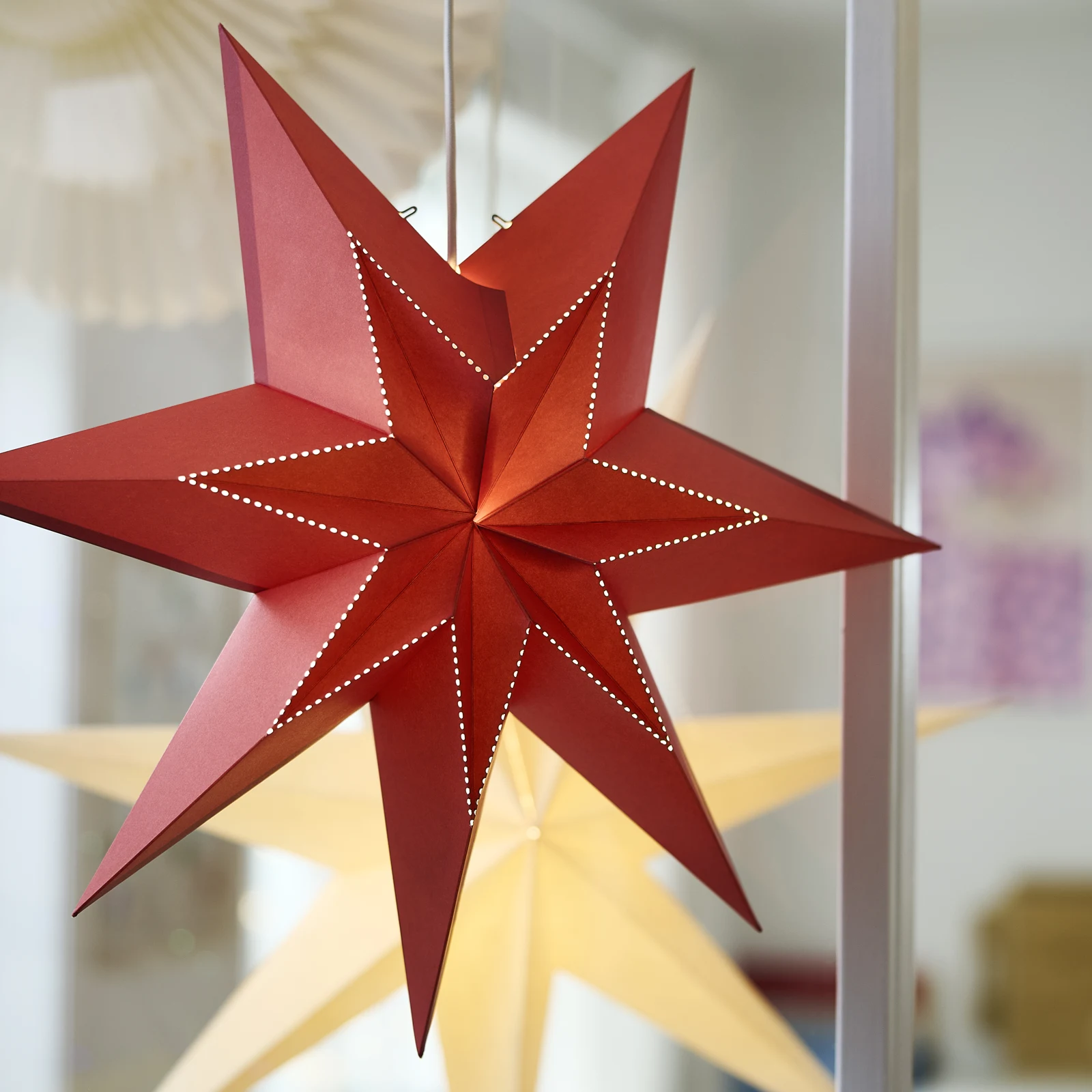
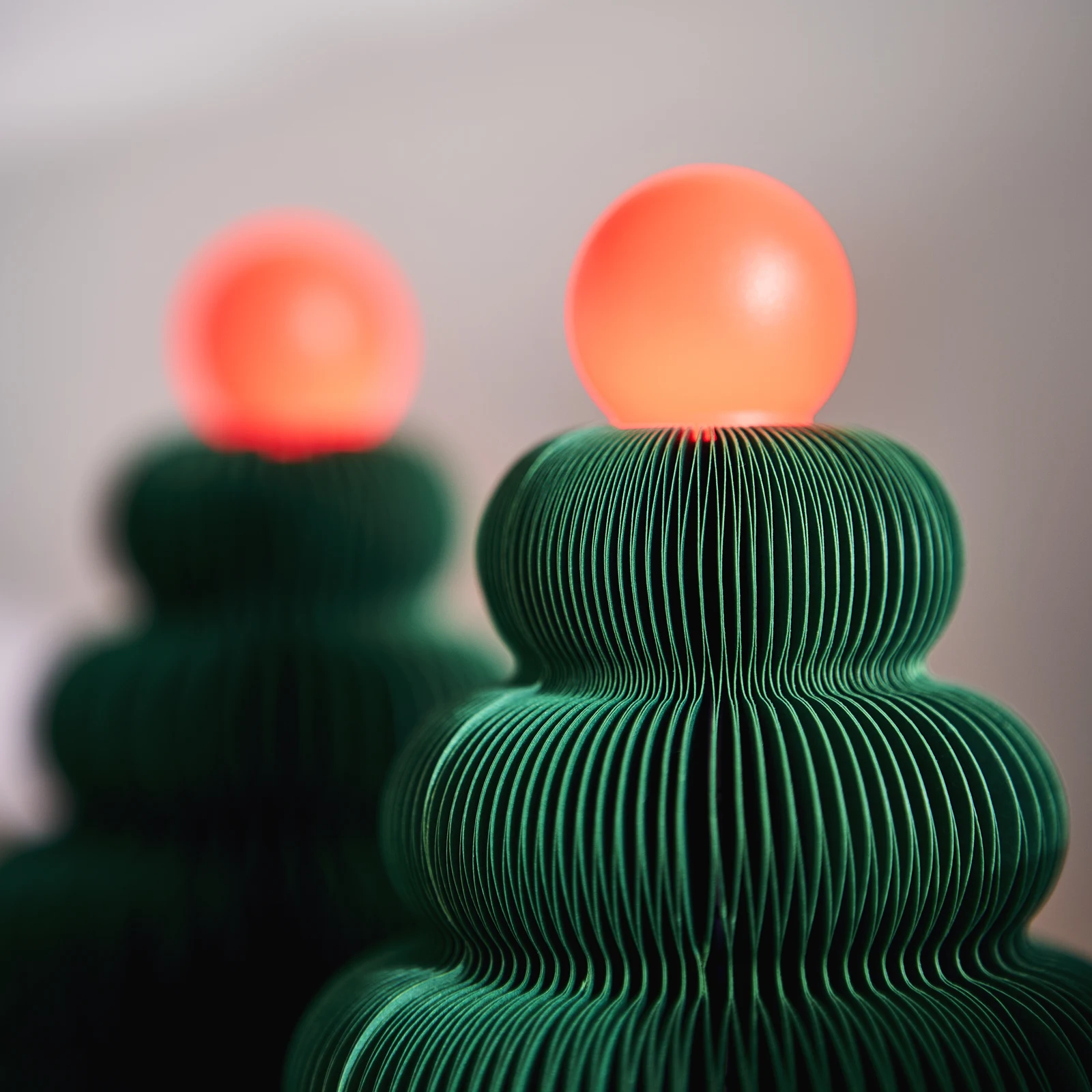
Woven hearts, stars and garlands belong to paper Christmas decorating's long history. In the 2026 collections, that tradition gains volume: VINTERFINT includes sculptural trees and graphic ornaments, while Wurm's Evergreen offers honeycomb trees in different sizes. Open them to give shape to a corner, then fold them away after the holidays. Choose the size to suit the surface: one larger piece fills an empty area, while two small shapes can accompany a favourite photograph or lamp and leave the rest of the shelf useful.
To try it at home, choose the surface first. A metre-wide cabinet does not need five matching trees: begin with one tall shape, one smaller shape and a bowl you own. Keep part of the surface clear for keys or a glass. Against a pale wall, green gives the edges definition; against dark wood, cream may show more clearly. Keep paper away from flames, hobs and heaters. The arrangement should continue working when people actually live around it.
An amusing object earns the spotlight
Marta Krupińska's boot-shaped candleholders and Christmas character containers for IKEA demonstrate another strand of this season: simple silhouettes, confident colour and humour. You do not need six characters to communicate the idea. On a shelf, one playful container beside books and a framed photograph has more personality than a complete row bought simply because the pieces match. Leave enough room to see its outline rather than hiding it among competing objects.
Try the approach using something you have: an unusual red mug, a sugar bowl or a vintage side plate. Put it on a tray with a folded cloth napkin and two old ornaments. The tray creates a visual boundary and lets you move everything to clean. If buying a container, check that it is intended for contact with food before filling it with loose biscuits. Otherwise use it for cards, ribbon or individually wrapped little presents, and enjoy the shape without inventing a function.
A little sweet-shop corner
Cakes, sweets and confectionery shapes bring cheer to Hallmark's Sweet Season, while Wurm's Sweet Wonderland gives decorations a soft, storybook mood. Begin at the coffee and hot-chocolate corner: hang a few sweet-shaped ornaments above the surface, choose a mug in a matching colour and keep the rest of the sitting room green and white. Cream and pale pink give the corner a gentle feel; repeated red and white in ribbons and small details make it livelier. Keep everyday cups easy to reach.
The practical rule is to distinguish what can be eaten from what should only be admired. An ornament resembling a biscuit belongs on a branch or safely beyond small children's reach, never mixed into a tray of snacks. For an adult arrangement, repeat a few shapes: two decorative biscuits, two bows and two matt baubles. Repetition helps the eye follow the composition; a completely different item at every point can make the whole thing harder to read.
Use reflective metal in small areas
B&Q's Modern Magic pairs silver and iridescent finishes with glossy red. At home, give the reflections a clear focal point: a metal bowl on the coffee table or a garland above a cabinet. Alongside wooden decorations, echo the bowl's colour in one bauble on the tree. That little connection brings the two areas together and keeps the room coherent. Leave a clear stretch of surface around the reflective piece so its outline remains visible from across the room, then check it under your evening lamps.
Test the composition in evening light, when you will be using the room. Place three objects on the cabinet, switch on your usual lamps and step back. If reflections become distracting, move the shiny piece before adding anything else. A reflective ornament by a window can look attractive in daylight and overwhelming under a nearby lamp. Placement matters as much as finish, especially in a small room where you see the same corner from several positions.
A name, a date and a memory to keep
A dated ornament is a Christmas tradition worth continuing. A new home, a trip together or a child's drawing can become your little family keepsake. Choose one specific memory before deciding on the shape. Before ordering, measure where it will hang and check actual size, material, production time and the lettering preview. Read the name letter by letter and consider the weight: a delicate branch needs a lightweight ornament. Keeping those details in mind makes the finished piece easier to place and enjoy.
To make your own, gather firm card, a simple template, a pen and thread. Cut a star roughly eight centimetres across, make a hole well away from the edge and write a specific memory on the back: the first Christmas in a new home, a long-awaited visit, the person who cooked lunch. A single initial or line on the front is enough. The decoration stays lightweight, and its story does not have to be on display to every visitor.
A new purchase should solve a problem
Photograph the open decoration box before shopping. Group pieces by material and identify a genuine gap: something to give height, an ornament for an empty corner or a container you can use in January. Write a purpose beside the proposed purchase. If the only purpose is liking the photograph, keep it on the list while trying a composition with what you already own. This makes the decision more concrete without taking the fun out of choosing.
For a small hallway, make a complete scene with a paper decoration, a key bowl and reused ribbon around a frame. In a larger room, concentrate on the tree and a low cabinet: repeating one colour between them gives the space a clear connection. Set your spending limit before shopping. With a personal ceiling of twenty euros, include delivery, hooks and installation materials in the total, then use what remains for the piece that completes the arrangement. Outside the eurozone, set the same sort of overall limit in your own currency.
The final test comes after Christmas
Open and refold a collapsible piece according to its instructions, without forcing the joints; check how it should be stored and whether it fits the box you use. Give glass separate compartments, paper a dry place and bulky shapes a realistic storage space. Avoid loose glitter if you do not want it travelling between books and textiles. A new purchase needs a place after the lights go off as well as during the celebration.
Now step back and look at the room: the new detail should find its place among the things that make you feel at home. If you chose paper, repeat its colour in a ribbon; if you chose a playful object, give it a visible spot beside a photograph. A small paper tree near an old family bauble brings together the pleasure of discovering something and the comfort of finding it again. When somebody walks in, the room already has a little of your story to tell.
Keep exploring Christmas: Christmas tree trends 2026: choose a character, then add the magic!. Christmas palettes 2026: change the colours, keep your home. Christmas trends 2026.
SOURCES AND FURTHER READING
Did this story touch your heart?
Psst… you’ll like this too!
Christmas tree 2026: three looks to bring home the magic!
Read the story ↗Share this story