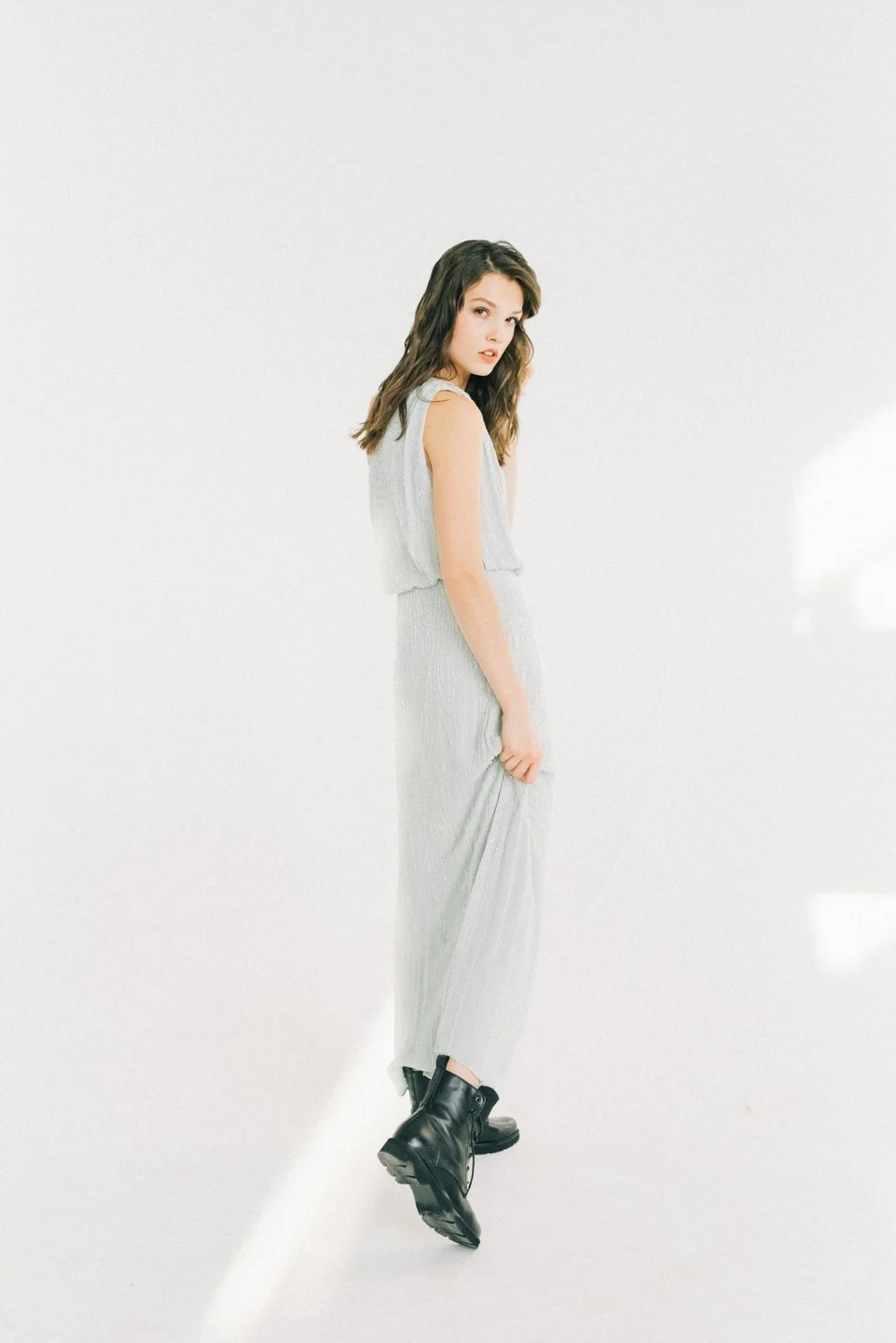
Like that coat? Look inside before you buy
Turn the coat over and look for two lines on the label: the composition of the outer fabric and the composition of the lining. Read the wool percentage for the outer fabric and check the care instructions. In the fitting room, do it up over a jumper you normally wear, lift your arms and sit down. A few minutes will tell you what you are buying and whether you can comfortably wear it every day.
The outer fabric and lining do different jobs
An imaginary example makes the label easier to read. The outer fabric is 70 percent wool and 30 percent polyamide. The lining is 100 percent viscose. The first pair of figures tells you what is in the outside fabric. The second line is for the fabric that slides over your shirt or jumper. If an online description only calls the coat wool, find the detailed composition section or a readable photograph of the label. If there is only one figure and you cannot tell which part it describes, ask for both lines.
Open the coat and check that the lining moves comfortably with you. Slide one arm in and then the other while wearing the jumper you would wear underneath. If the lining pulls the jumper sleeve along with it, try again with the garment you usually wear to work. Check whether the lining pulls at the hem when the coat is fastened. It is a useful test if you start the day on a crowded tram or have to take the coat off and put it on several times.
What wool, wool blend and virgin wool mean
In the European Union, textile composition labels use defined names for fibres. Terms such as “100%” and “pure” are reserved for goods made from a single fibre, subject to specific tolerances for technically unavoidable impurities. If a label says wool blend, go to the percentages to see how much wool the named component contains and what other fibres are in it. A pure wool outer fabric may have a lining made from another fibre. Compare outer fabrics with each other and then consider the lining separately.
Virgin wool has a specific meaning. It concerns the history of the fibre and the conditions it meets regarding previous use and processing. It can also appear in the description of a blend that meets the requirements of the regulation, with the percentages stated. If “virgin wool” is prominent on the swing tag, find the full composition inside the coat as well. Recycled wool describes another aspect of a fibre’s history. In either case you can examine the fabric in person and ask the seller for details if the product page is too brief.
Compare two coats that look alike
Start with how you will wear it most. If you spend a lot of time outdoors, fasten it properly and see how much of your neck is exposed. Slip a hand underneath the edge of a sleeve to see how much air can get in. If you get on and off public transport, check how easily you can open the coat while holding a bag. An easy fastening can make going from a cold street to a warm carriage much more comfortable.
Compare how the fabric feels, its thickness, how the coat is put together and how heavy it feels across your shoulders. A high wool percentage tells you a lot about the composition. Warmth also depends on the density of the fabric, the lining, any insulation, the length and the fastening. If the coat only fits over a thin top and you want it for winter, try again over your usual layer. If you are choosing between sizes, bring both arms together in front of your chest and see if the fabric tightens across the shoulder blades.
Look closely at the construction
Open the pockets and try putting your hands in them with the coat fastened. The angle and position of the pockets affect how comfortable they are. Check that your phone fits in the pocket you planned to use. Look at the hem, belt loops and area around the buttons. On a second-hand coat, look at the sleeve edges and the lining under the arms, where there is frequent movement and friction. If you see a loose thread or an open seam, think about whether a repair would be straightforward.
Sit down before you put the coat back on its hanger. See where the front ends when you bend your knees and whether the buttons stay comfortable. A long coat may look wonderful while you are standing. If you drive or cycle, check how much fabric gathers around your legs when you are seated and whether you can move freely. A fitting-room bench can show you a difference you missed in the mirror.
Read the care instructions before paying
Find the care label. If the coat calls for professional cleaning, factor that into what you plan to spend. If washing is allowed, follow the symbols and restrictions for that garment. Two fabrics with similar percentages can need different care because of how they are made and assembled. Take a photo of the label if you want to compare the options at home and still have the instructions later.
If you are buying online, look at the size chart and ask for the width laid flat or for the sleeve length if the seller can supply it. Use a coat you already own as a reference and measure it in the same way. Before choosing, make sure you have the outer fabric composition, care instructions and enough room for your layers. Once those are sorted, you can go back to the nicest question. Which colour do you want?
A final check against what you already wear
At home, look at the scarves, shoes and jumpers you wear in a normal week. Think of the combinations you would actually put together. If you rushed the fitting-room test, repeat it at home while an exchange is still possible under the purchase terms. Wear the thickest layer you expect to use. Compare where the shoulders and pockets sit with those on a coat you find comfortable. If you do need to exchange it, this gives you something specific to ask for.
SOURCES AND FURTHER READING
Did this story touch your heart?
Psst… you’ll like this too!
JUMPER, LET ME READ YOUR LABEL! WHAT GOES INTO PRADA RE-CASHMERE AND RE-WOOL
Read the story ↗Share this story