FIVE LOAVES, TWO FISH. AND YOU THOUGHT YOU HAD SO LITTLE
Someone else’s cake is perfect: tall, beautifully decorated, carried in a box worthy of a bakery. You put your container on the table and immediately explain why yours is so simple. Nobody asked for an apology. You supplied it yourself.
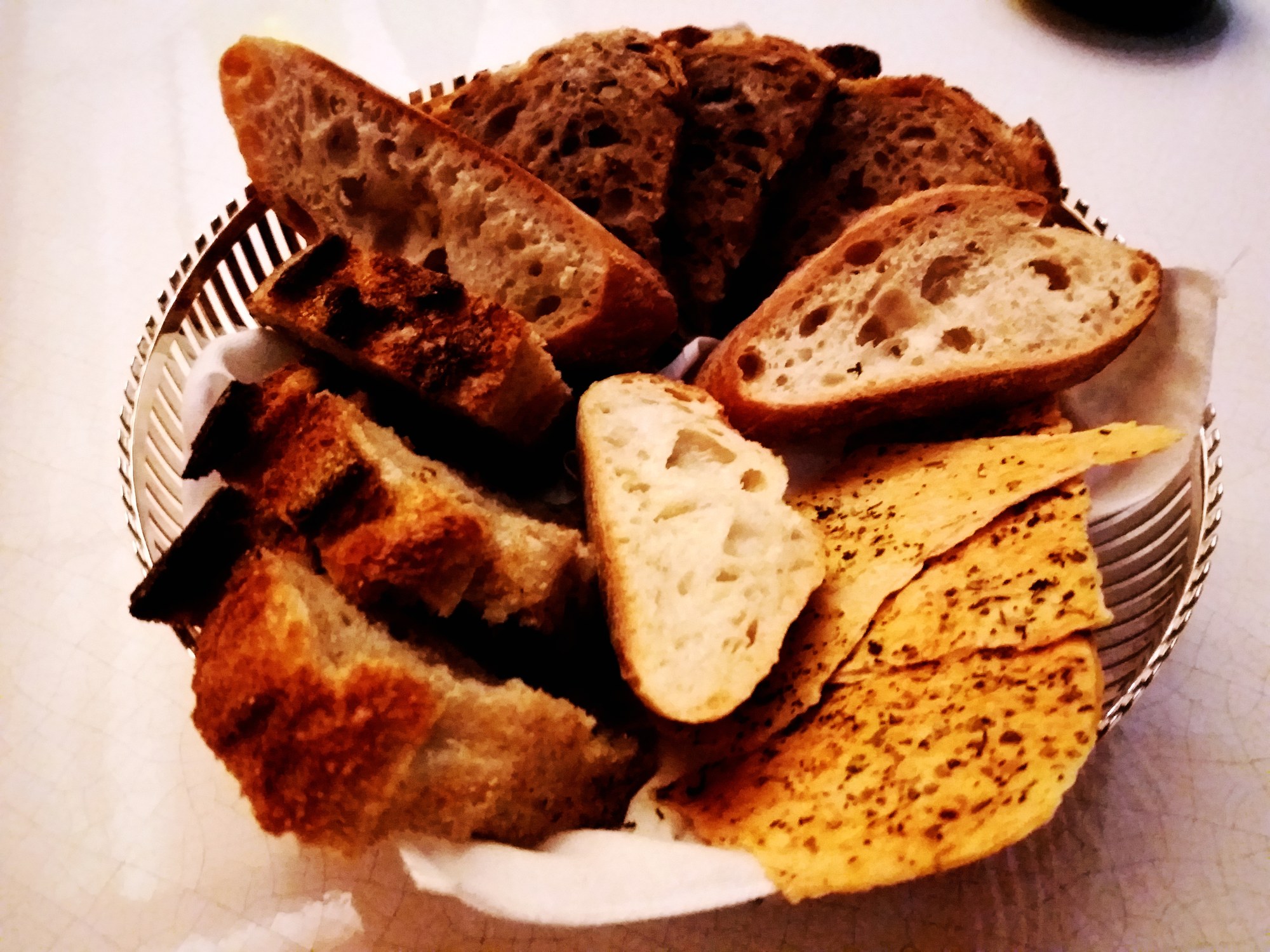
We can do the same with our time, abilities and faith. Before discovering what is needed, we measure what we have against everything we lack. Our contribution shrinks before it reaches anyone.
In John’s account of the five loaves and two fish there is a boy. The Gospel does not give him a name. What he brings nevertheless enters a story we still read.
Andrew sees the boy, then the size of the problem
In John 6:1–15 a large crowd follows Jesus. Philip considers the cost of bread. Andrew points out a boy with five barley loaves and two fish, while recognising how little that is for so many. Jesus has the people sit down, gives thanks and distributes the food. Everyone eats; twelve baskets of pieces remain.
We are not told how the boy arrived or what he said. There is no recorded conversation to recreate. We can stay with what John gives us: amid a vast need, this boy and his food are there.
The Gospel presents a sign performed by Jesus. Reducing it to a well-organised shared lunch would miss what the account proclaims. Benedict XVI also drew attention to its Eucharistic meaning: the bread, thanksgiving and Christ’s gift of himself.
Apologising before we have even joined in
We know that gap between a small offering and an enormous need. A friend is struggling and you have only one evening free. A parish needs experienced volunteers and you have a few basic skills. A collection is huge and the amount you can give feels embarrassing.
The gap is real. An hour cannot resolve years of loneliness; a donation cannot end poverty. Recognising this helps us seek other people, expertise and resources. It does not make everything we can offer useless.
You can say clearly what you can do and how much time you have. The other person can decide whether it helps or explain a different need. You do not have to present yourself as the answer to everything before you are allowed to participate.
Giving does not require using yourself up
People who already feel responsible for everyone can hear a painful demand in this story: keep giving until nothing is left. Two available hours become four. Exhaustion must be ignored. A situation needing professional help becomes yours to carry alone.
The passage gives nobody permission to demand limitless resources from you. Jesus performs the sign. You have a body, relationships, responsibilities and limits. You can offer something specific and admit what you cannot provide. You can also need help yourself.
A lift you actually give is worth more than ten vague promises. An agreed afternoon lets someone plan around it. Clear expectations protect a relationship from impossible hopes and resentment.
Sometimes your place at the table will involve receiving gratefully: sitting while someone cooks, accepting help without immediately settling the account. If everyone had to earn a seat through performance, the most tired person would always be left outside.
The outcome is not ours to guarantee
Does offering something in faith mean everything will work out? We cannot turn this sign into a formula for successful projects. Generous gestures can be refused; plans can fail; needs can remain unanswered.
Christian trust makes room for bringing that to God too: learning, finding better ways, continuing to care without declaring a difficult outcome proof of inadequate faith.
The boy remains unnamed. We are often busy imagining ourselves in the spotlight, useful and admired enough. He helps us notice what is available and who is hungry.
Next time you put something on the table, try leaving it there without an apologetic speech. Look at the people. Ask what is still needed. Someone may bring plates; someone else may find chairs or welcome a newcomer.
You will be able to sit down, too.