‘See you tomorrow’: Vitti, Delon and the longing to be there again
In L’eclisse, a tender promise comes before a meeting that never happens. Within that scene from 1962 lies a question that touches our own lives: what are we really asking when we ask someone to come back?
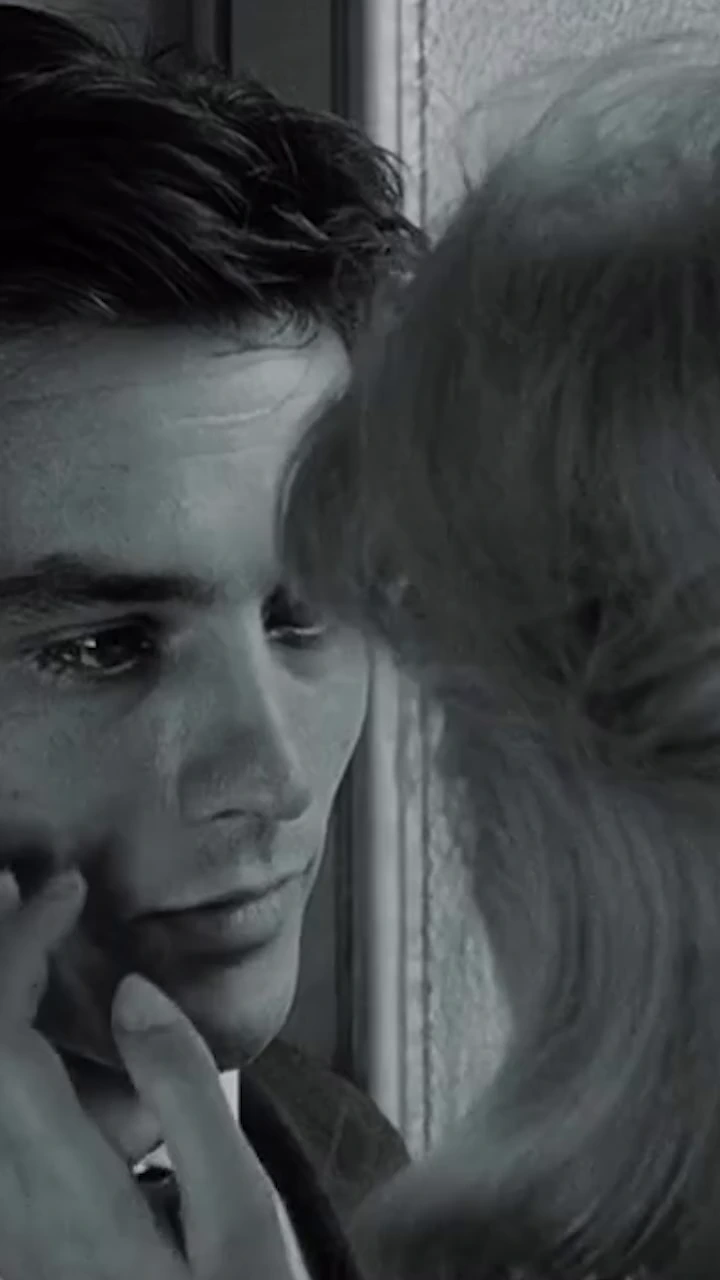
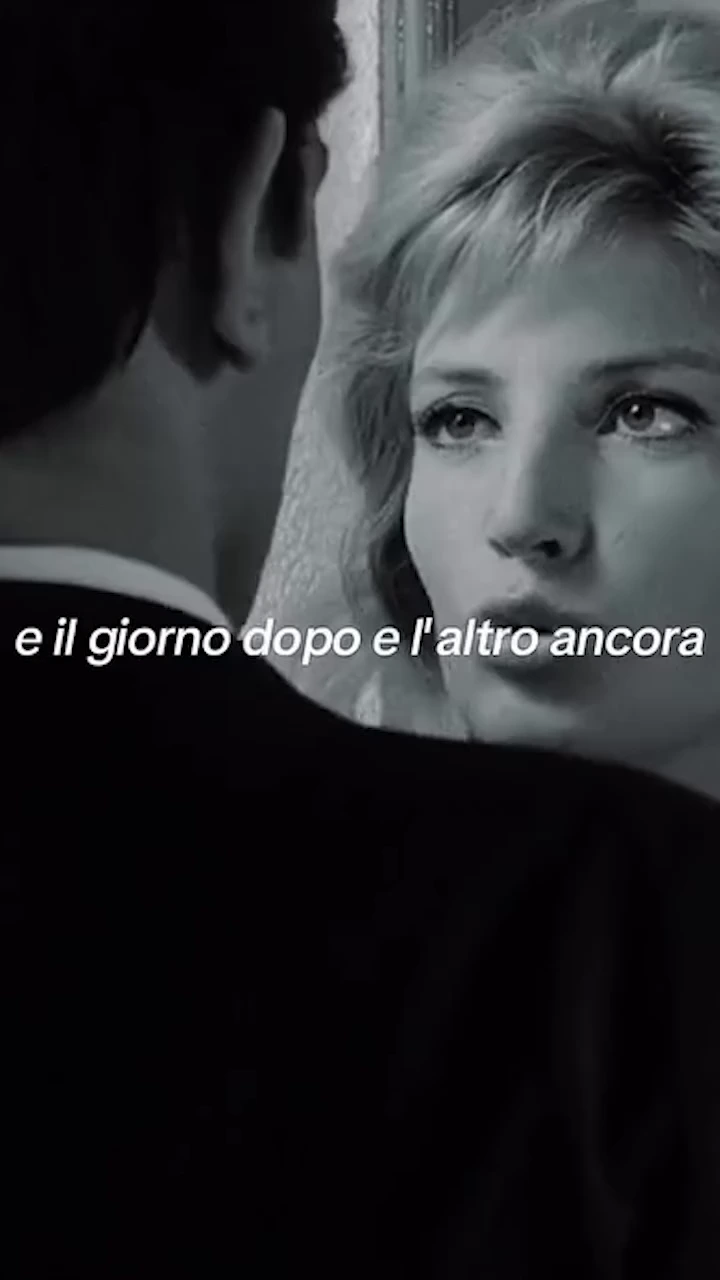
They are saying goodbye, yet already looking for each other in the following day. Tomorrow, the day after, another day beyond that. Then comes an addition that closes the distance: ‘And tonight.’
That is where the scene catches us. In the wish to see someone again before we have even let them go. In that tender, slightly impatient attempt to stretch the time we have together. They are arranging to meet; beneath the words, we hear the longing to keep a place in each other’s lives.
On screen are Monica Vitti and Alain Delon. The film is L’eclisse, directed by Michelangelo Antonioni in 1962. She plays Vittoria, a translator who has just ended a relationship; he is Piero, a stockbroker with whom she begins a new attachment. Rome forms the backdrop to an attraction troubled by the difficulty of truly reaching another person.
The short extract invites us to linger over their faces, their closeness, the caress. The whole film asks us to stay afterwards too, when the embrace is over.
STUDIOCANAL UK · Official trailer ↗
The tenderness of arranging to meet again
A simple ‘see you tomorrow’ can hold so much. Dinner already pictured together, something to talk through at leisure, the certainty that a conversation can continue. Knowing there will be another meeting changes even the way we say goodbye: we can leave carrying a small sense of security.
In Vittoria and Piero’s exchange, the days accumulate. Listening, we almost feel that naming them might keep them safe. This is one possible reading of the scene: two people trying to give continuity to what they are experiencing, using the most ordinary word we have for the future.
Tomorrow. Close enough to seem within reach. Far enough away to require trust.
Then she returns to tonight. Having imagined so many days, she wants to shorten the wait by a few hours. We can recognise that impulse: having someone in front of us and already feeling how much we will miss them, finding a reason to prolong the meeting, smiling as we ask when the next one will be.
The ending that changes the weight of those words
Antonioni, however, takes the story to a rendezvous at which neither of them appears. The final sequence leaves us with the meeting places, the streets of Rome’s EUR district, passers-by, objects, the changing light. Vittoria and Piero disappear from the story while the city continues without them.
That is part of what makes these images hurt: a moment earlier there were so many days to spend together; now there is a place where both of them should have been. The future spoken into existence in an intimate moment meets the actual passing of time.
We can read their absence as an expression of a fragile bond, of a distance that attraction has failed to bridge. There is still room to try to understand these characters, to return to their gestures and hesitations. The film leaves us looking at the aftermath of a promise without handing us an explanation to learn by heart.
The earlier tenderness remains too. Knowing the ending does not erase what we felt watching them. It makes it more painful.
When a scene finds its way into our memories
It is easy to think of someone while listening to that exchange. Someone with whom we wanted more time. A goodbye left unfinished. An evening when we went home happy because we already knew when we would meet again.
A scene can reach us through a tiny experience we thought belonged to us alone. We recognise the impatience, the affection, even the fear that a beautiful moment might end as soon as we leave the room.
For some, that ‘tomorrow’ will carry the excitement of a new love; for others, the ache of a relationship they still miss. For those who have shared a life for years, it may recall something easily taken for granted: the privilege of having someone to come home to, perhaps tired, perhaps struggling with a difficult day, still there.
Vitti and Delon’s allure draws us into the image. Then something much closer to our own experience emerges: the desire to have someone waiting for us.
The everyday beauty of showing up
Leaving the film and returning to our lives, this scene can help us appreciate small commitments kept. A phone call made when we said we would call. A meeting we turn up for. Time found to listen to something that matters to the other person.
These gestures give substance to words. They allow trust to grow through repeated experiences: I reached for you and you were there; we had agreed to meet and we did. A couple’s daily life is built partly from this quiet store of memories.
Of course, unexpected events, delays and difficult evenings are part of life. Being there reveals itself over time, through communication and a mutual willingness to make room for each other. The wish for closeness deserves to be expressed simply, without embarrassment at caring about a meeting.
We can take the tenderest part of those words seriously today: tell someone we would love to see them again. Suggest a day. Keep an evening free. Let them feel that, among everything we have to do, we have been thinking of them too.
Vittoria and Piero remain in that black and white, so close and already on the verge of missing their meeting. We can still send the message, arrange the date, turn up.
And if someone is waiting for us tonight, we can start there.
SOURCES AND FURTHER READING
Did this story touch your heart?
Psst… you’ll like this too!
Before yes, a surprise: when faith goes through a love story
Read the story ↗Share this story