Assisi: with so many wars, does meeting still matter?
Assisi’s 25–27 October gathering closed with a peace appeal and a video message from Pope Leo XIV. Forty years after John Paul II, one question remains close to us: how do we keep seeking peace?
There are evenings when you switch off your phone and the images stay with you. A child being carried. A house torn open by an explosion. People queuing, departures, someone waiting for news. You may want to know everything and, a moment later, feel unable to read another word. How can we remain close to so much suffering without feeling helpless?
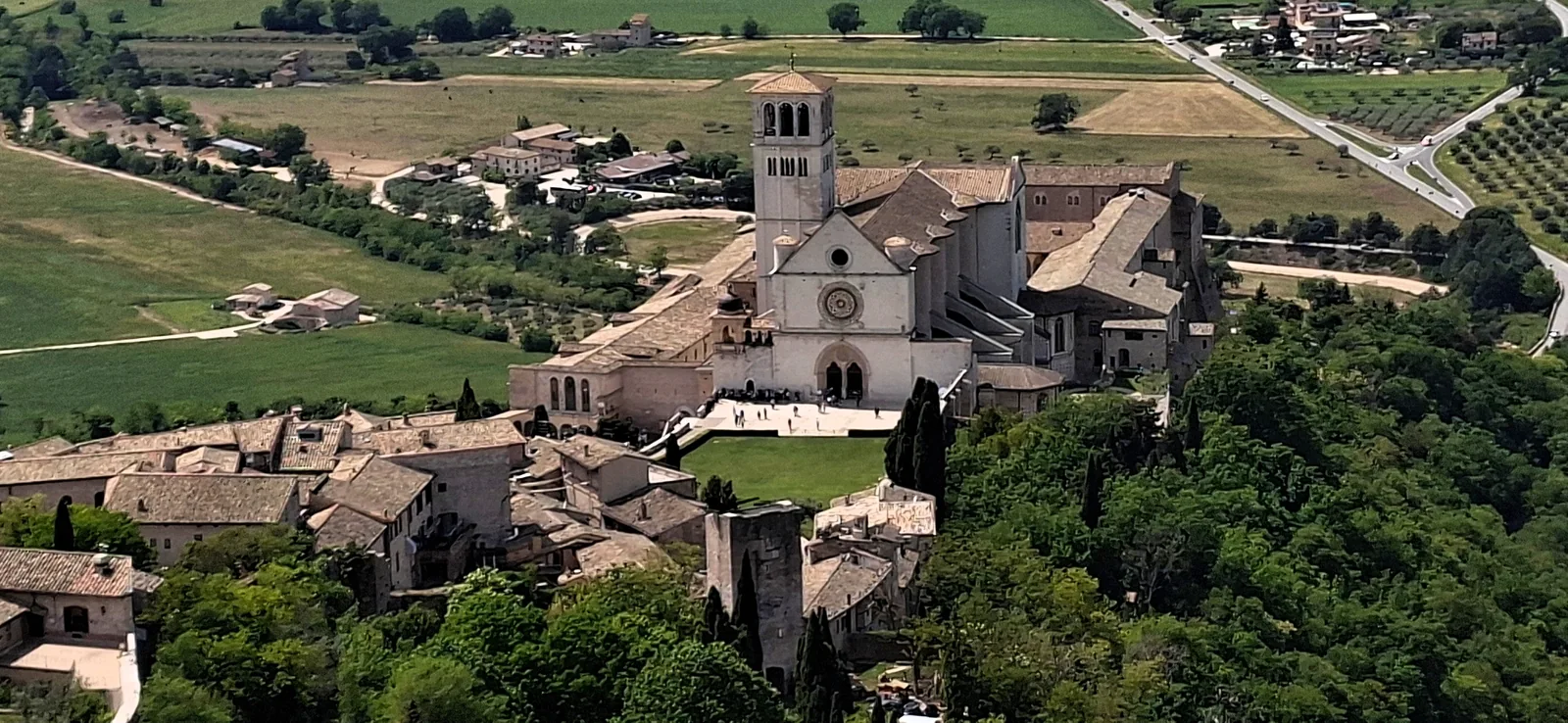
It is with that question in our hearts, too, that we look towards Assisi. From 25 to 27 October 2026, St Francis’s city hosted Unarmed and Disarming Peace, the international meeting promoted by the Community of Sant’Egidio. Three days bringing religions, cultures and different voices around the same table. And continuing to seek a way forward while wars seem to close every road.
Assisi: the courage to keep showing up
The gathering marked forty years since the Day of Prayer for Peace called by John Paul II in 1986. The closing ceremony took place on 27 October in the Lower Square of the Basilica of St Francis.
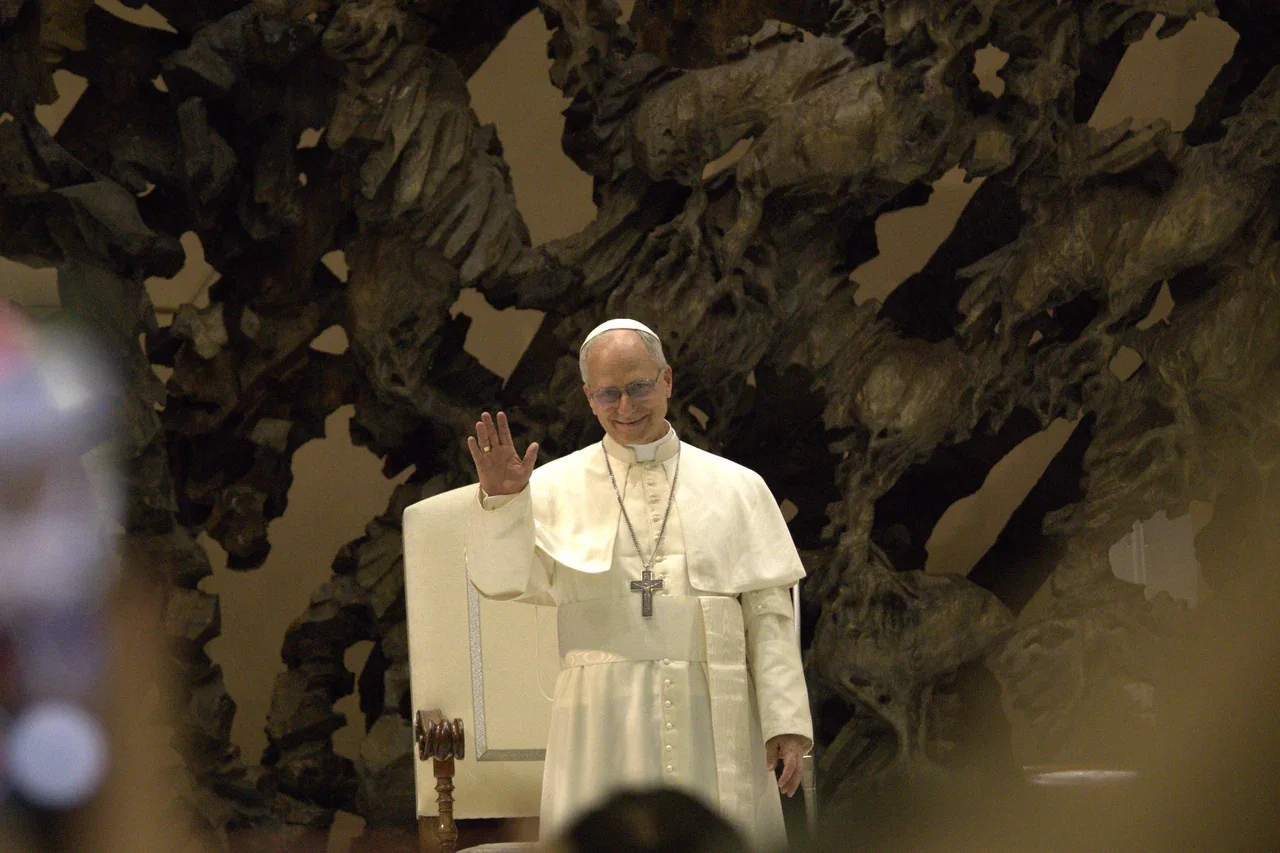
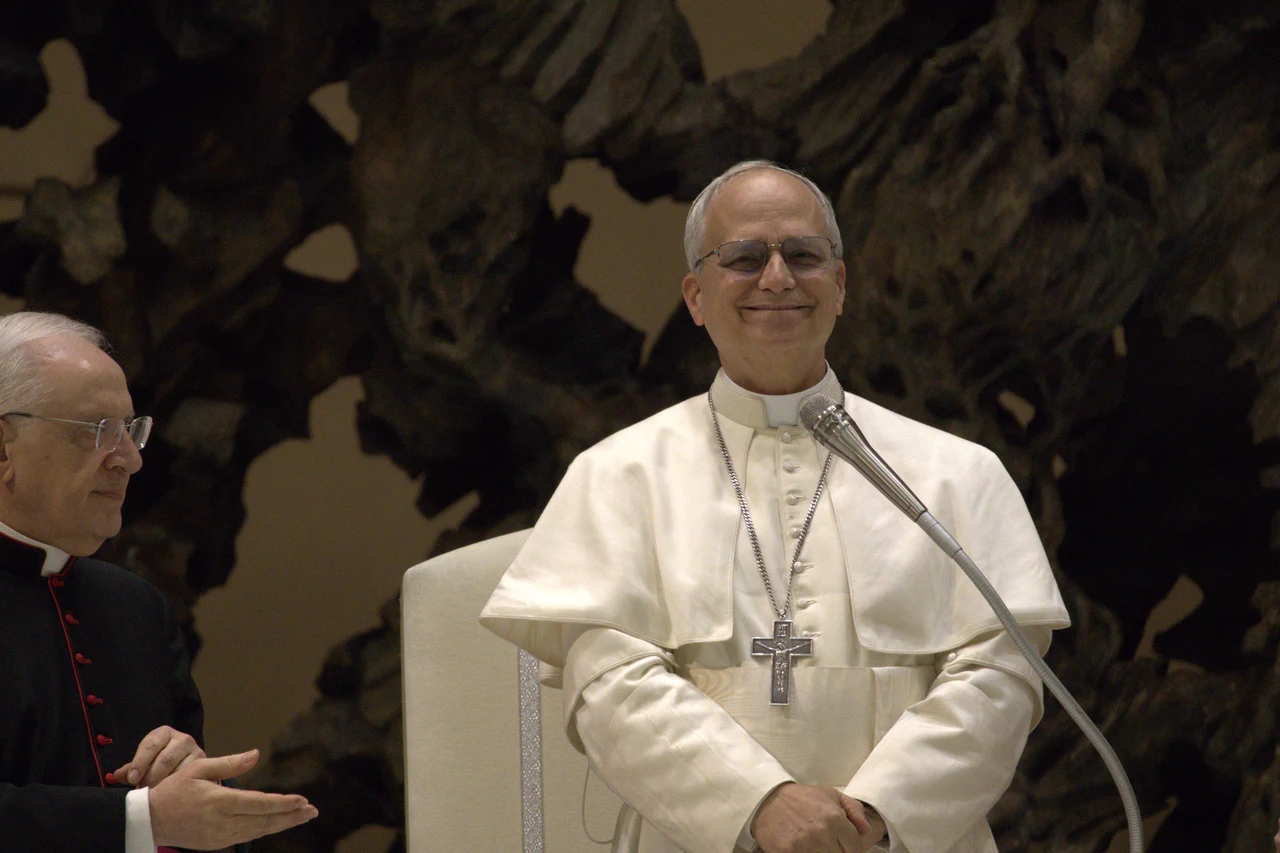
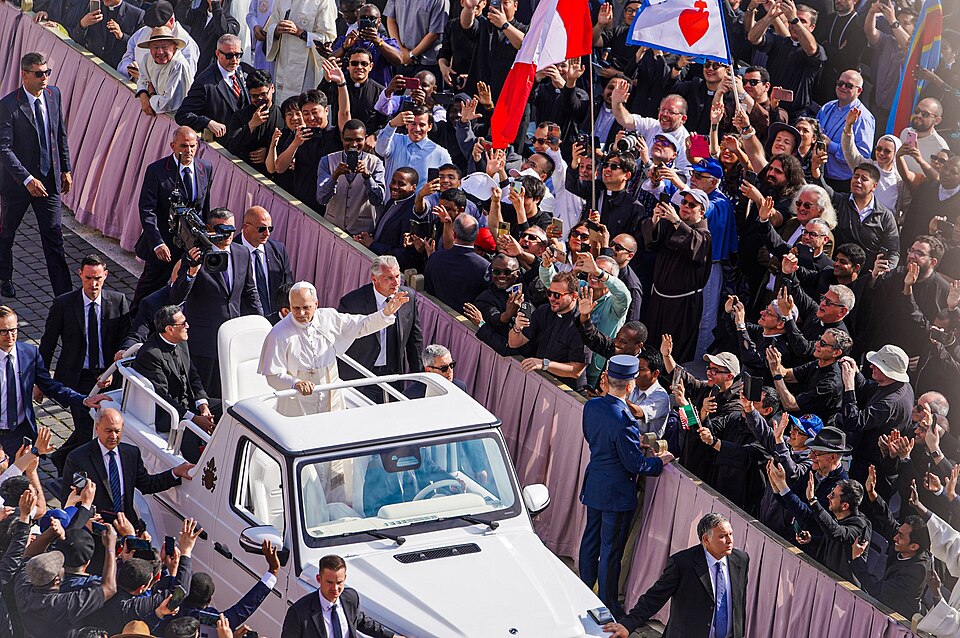
Pope Leo XIV did not attend in person: the Holy See Press Office had said doctors advised against the helicopter journey during his recovery from surgery. In his video message on 27 October, he called for rebuilding peace and rejecting religious justifications for war: “Only peace is holy.”
An anniversary can remain a date. Or it can make us pause and ask what we want to do with that memory today. Think how easy it is to lose trust after a broken promise. How hard it is to speak again when nobody seems to listen. Continuing to meet becomes a choice we make anew.
Children’s questions at the table, too
The forums address concrete issues: peace in an age of force, media narratives, technology and caring for the planet. One session is entitled Children’s Questions, another considers poor people as a resource of humanity. These titles bring attention back to people and to lives that adults’ decisions can change.
Let us pause over those children’s questions. Even when we do not know every contribution, we can recognise the importance of making room to listen to them. Children have a right to be considered when we talk about tomorrow’s world. Their future deserves time, care and answers that go beyond polite phrases.
Different religions, a responsibility to share
For the opening assembly on 25 October at UmbriaFiere in Bastia Umbra, the programme listed an introduction by Andrea Riccardi and invited voices including Matteo Zuppi, France’s Chief Rabbi Haïm Korsia and Imam Nasaruddin Umar. Sudanese scholar and activist Hala Al-Karib, political scientist Olivier Roy and other religious representatives were also listed. The programme included a musical contribution by Frida Bollani Magoni.
This range of voices invites us to make room for experiences different from our own. Listening can take patience. It can reveal distance, wounds and uncomfortable questions. It also helps us stop speaking about other people as though they were all the same, without faces or stories.
“Disarming”: a word to take home
One word in the meeting’s title holds our attention: disarming. We can read it as a question about our own relationships. Which words open a space? Which simply look for somewhere to hurt?
The violence of war calls for protection, responsibility and practical solutions. In daily life, meanwhile, there is ground we can work on: the messages we write, the judgements we circulate and how we listen to people with different experiences. Not everything depends on us. Some things do pass through our hands.
You can join the meeting from here
The official page collects broadcasts of the forums and celebrations held on 25–27 October. The organisers’ Italian recording of the opening assembly remains here as a place to begin listening. The sources also include the Pope’s message and the closing peace appeal.
If it feels too far away, choose one story
You do not have to hold all the world’s suffering in a single evening. You can choose one contribution, follow it carefully and learn about a situation you know little about. If you want to help, look for an identifiable organisation and a concrete opportunity: a documented appeal, a local service or a clearly explained need.
And if you pray, you can give your intention a name. Entrust a family, a community or someone who is frightened tonight to God. Prayer can accompany the desire to understand and the willingness to take a step.
Does meeting still matter?
A gathering cannot, by itself, promise an end to war. Those suffering from it deserve much more than reassurance. We can listen seriously, follow the proposals and ask again what will actually be done. Hope needs that attentive gaze, too.
The peace appeal of 27 October calls for resources to serve people rather than rearmament, and for dialogue. It was symbolically entrusted to children. The gathering has ended; the responsibility it leaves us continues in everyday choices.
Source: Comunità di Sant’Egidio ↗
SOURCES AND FURTHER READING
- Sant’Egidio, presentazione dell’incontro, 23 october 2026
- Programma ufficiale Assisi 2026
- Dirette e trasmissioni ufficiali
- Vatican News — presentazione di Assisi 2026
- Vatican News — Papa Leone XIV non sarà ad Assisi, 23 october 2026
- Santa Sede — Angelus del 25 october 2026
- Santa Sede — videomessaggio di Leone XIV, 27 october 2026
- Sant’Egidio — Appello di pace 2026
- Vatican News — conclusione dell’incontro, 27 october 2026